
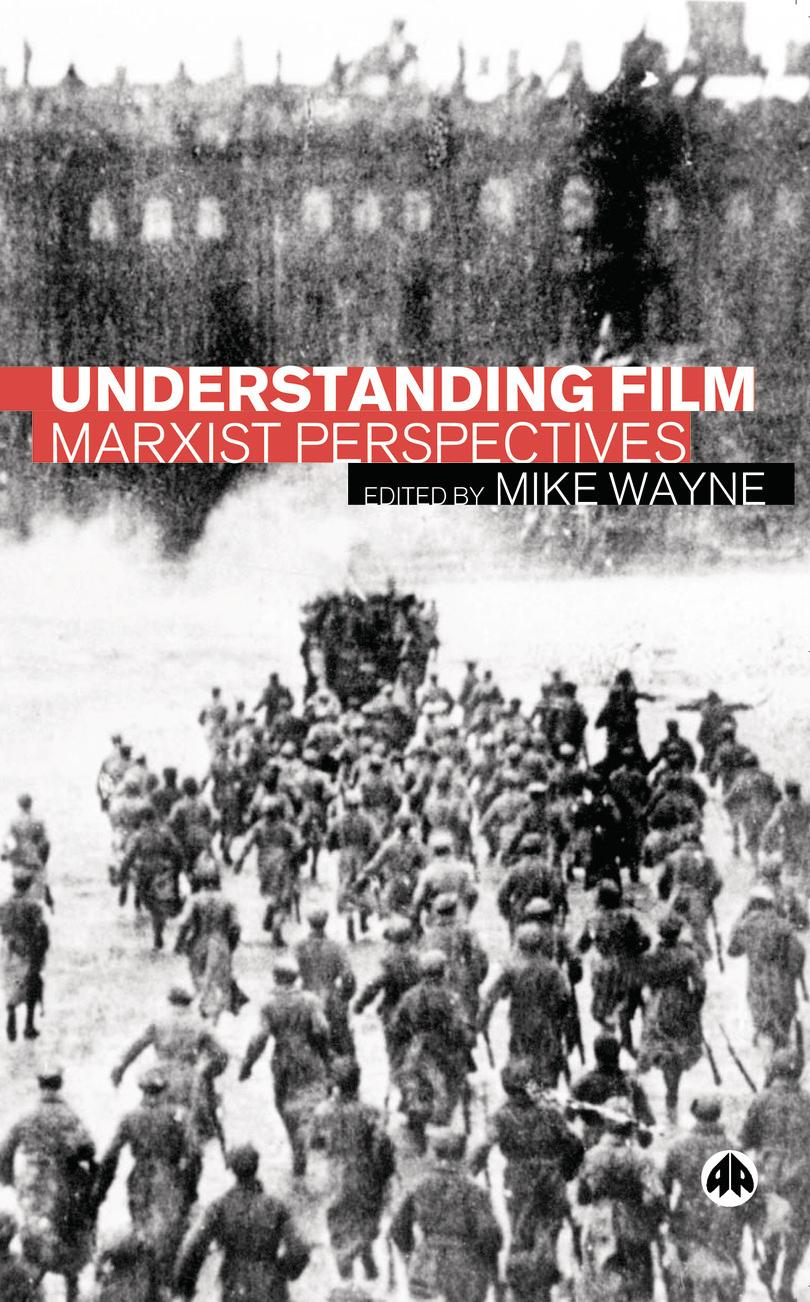
Film remains one of the most dominant cultural forms in the world today. Crossing classes and cultures, it permeates many aspects of our consciousness. In film, perhaps more than any other medium, we can read the politics of time and place, past and present.
The history of Marxism has intersected with film in many ways and this book is a timely reminder of the fruits of that intersection, in film theory and film practice. Marxist film theory returns to film studies some of the key concepts which make possible a truly radical, political understanding of the medium and its place both within capitalism and against it. This book shows how questions of ideology, technology and industry must be situated in relation to class - a category which academia is distinctly uncomfortable with.
Exploring the work of some of the key theorists who have influenced our understanding of film, such as Adorno, Althusser, Benjamin, Brecht, Gramsci, Jameson and others. It shows how films must be situated in their social and historical contexts, whether Hollywood, Russian, Cuban, Chinese or North Korean cinema. The authors explore the political contradictions and tensions within dominant cinema and discuss how Marxist filmmakers have pushed the medium in new and exciting directions.
The history of Marxism has intersected with film in many ways and this book is a timely reminder of the fruits of that intersection, in film theory and film practice. Marxist film theory returns to film studies some of the key concepts which make possible a truly radical, political understanding of the medium and its place both within capitalism and against it. This book shows how questions of ideology, technology and industry must be situated in relation to class - a category which academia is distinctly uncomfortable with.
Exploring the work of some of the key theorists who have influenced our understanding of film, such as Adorno, Althusser, Benjamin, Brecht, Gramsci, Jameson and others. It shows how films must be situated in their social and historical contexts, whether Hollywood, Russian, Cuban, Chinese or North Korean cinema. The authors explore the political contradictions and tensions within dominant cinema and discuss how Marxist filmmakers have pushed the medium in new and exciting directions.
Pages: 272
Category: Film- & Medievetenskap
e-ISBN: 9781783716296
Shipping weight: 1.2 kg
Ships in: 1-2 days
Pay easily by card, Klarna, Apple Pay or Google Pay. Not happy? You always have a 14-day money-back guarantee. Read more in our terms. If you have any questions, email us at hello@memmo.org.
Memmo makes studying easier – wherever you are in the world. We bring your course books and smart study tools together in one place: summaries, quizzes, podcasts and flashcards. Plus Ted, your study buddy who answers anything you wonder. Over 50,000 students already study here – built to help you learn faster and stress less.
You might also like
Buy the book0