
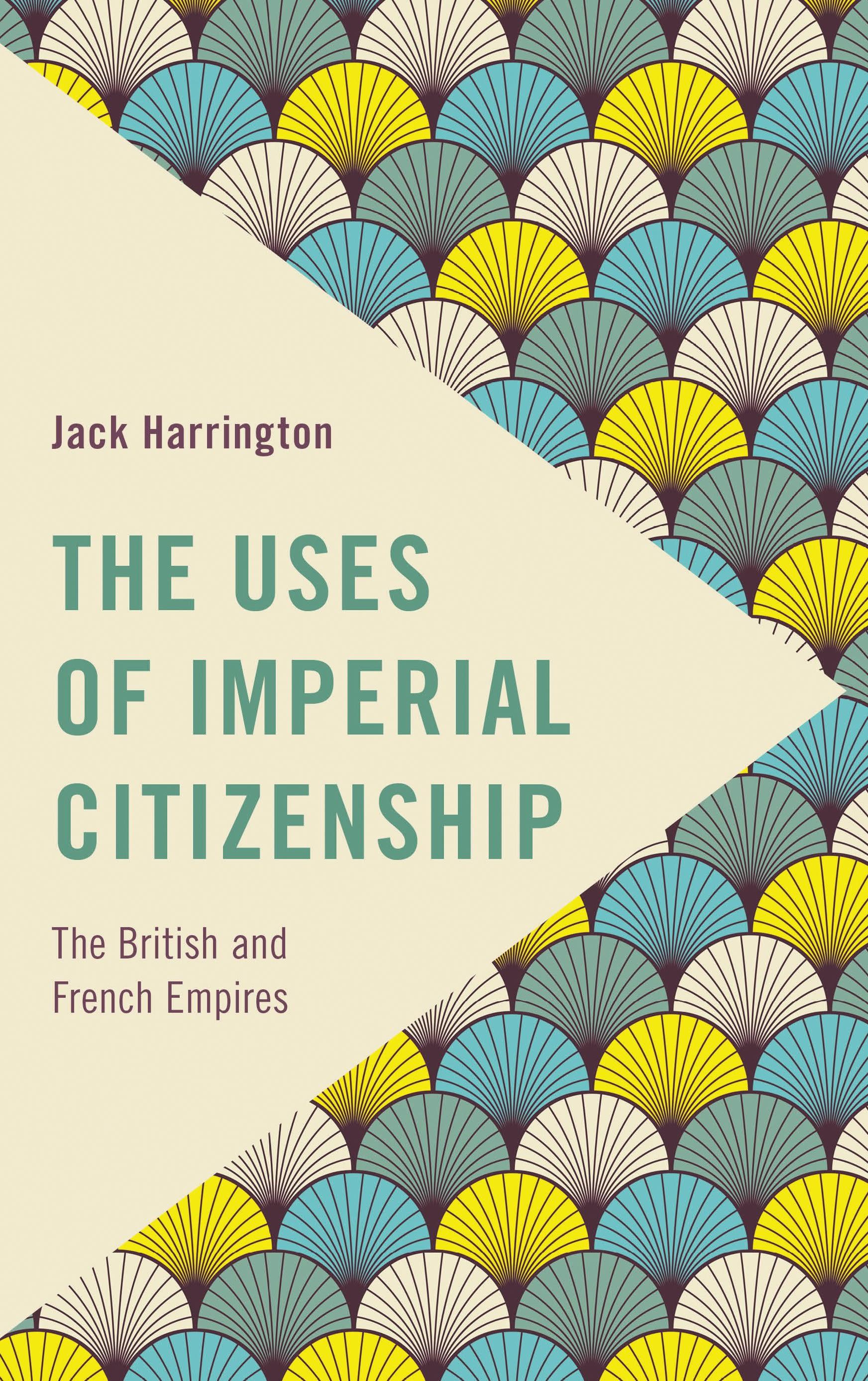
Contemporary citizenship is haunted by the ghost of imperialism. Yet conceptions of European citizenship fail to explain issues that are inclusive of the impact of empire today, and are integral to the reality of citizenship; from the notion of ‘minorities’ to the assertion of citizenship rights by migrants and the withdrawal of fundamental rights from particular groups.
The Uses of Imperial Citizenship examines the ways in which ideas of citizenship and subjecthood were applied in societies under imperial rule in order to expand our understanding of these concepts. Taking examples from the experience of the British and French empires, the book examines the ways in which claims to the rights and obligations of imperial subjects by otherwise marginalised people – from women activists to ‘native’ newspaper editors – shaped the history of British and French concepts of citizenship. Through extensive analysis of colonial and diplomatic archives, parliamentary debates and commissions, journalism and contemporary works on colonial administration, the book explores how governments and people in colonial societies saw themselves within, on the frontiers of, and outside of imperial notions of citizenship and subjecthood.
The Uses of Imperial Citizenship examines the ways in which ideas of citizenship and subjecthood were applied in societies under imperial rule in order to expand our understanding of these concepts. Taking examples from the experience of the British and French empires, the book examines the ways in which claims to the rights and obligations of imperial subjects by otherwise marginalised people – from women activists to ‘native’ newspaper editors – shaped the history of British and French concepts of citizenship. Through extensive analysis of colonial and diplomatic archives, parliamentary debates and commissions, journalism and contemporary works on colonial administration, the book explores how governments and people in colonial societies saw themselves within, on the frontiers of, and outside of imperial notions of citizenship and subjecthood.
Pay easily by card, Klarna, Apple Pay or Google Pay. Not happy? You always have a 14-day money-back guarantee. Read more in our terms. If you have any questions, email us at hello@memmo.org.
Memmo makes studying easier – wherever you are in the world. We bring your course books and smart study tools together in one place: summaries, quizzes, podcasts and flashcards. Plus Ted, your study buddy who answers anything you wonder. Over 50,000 students already study here – built to help you learn faster and stress less.