
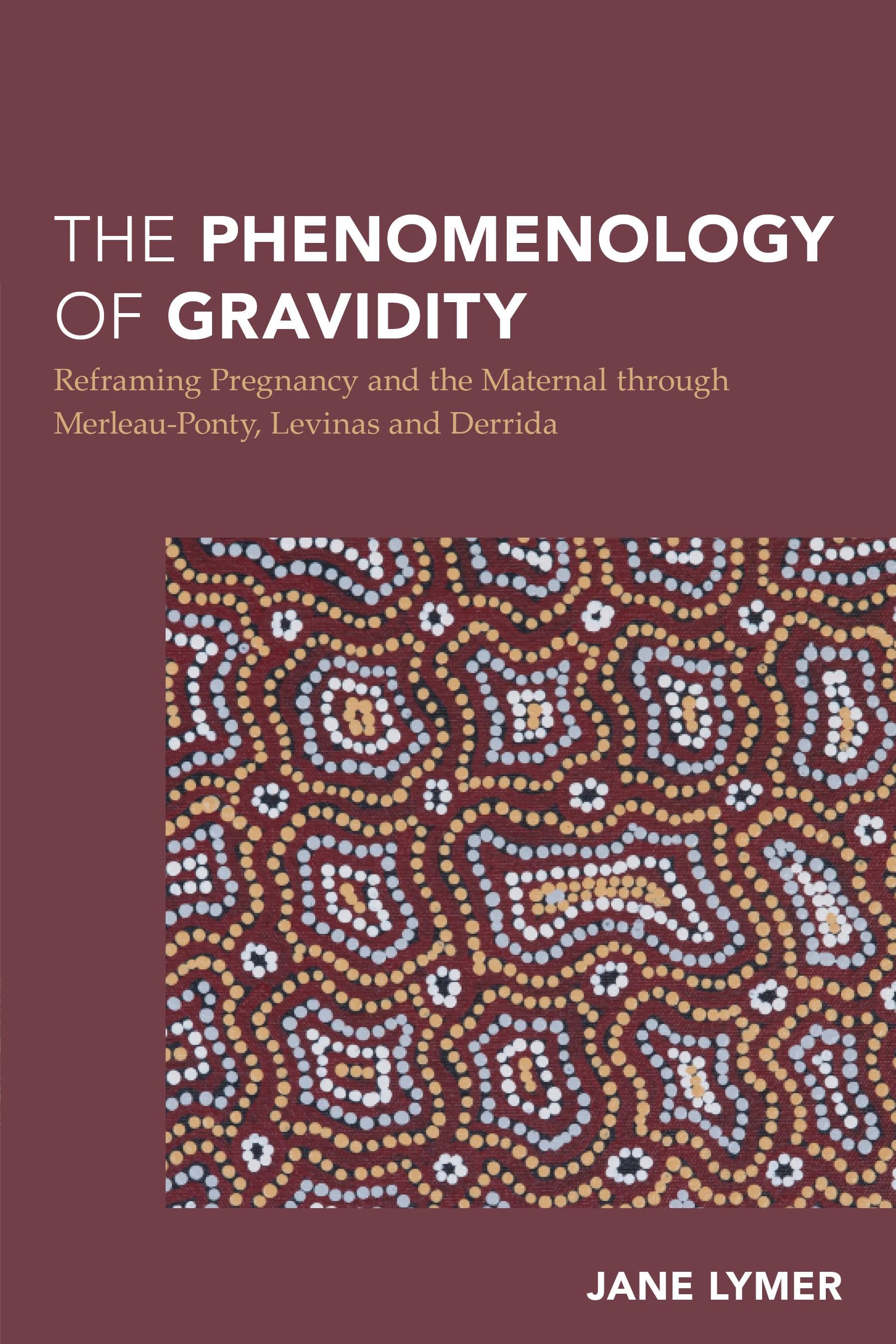
The Phenomenology of Gravidity explores the particularity of women's engagements with gestation, linking the denial of certain embodied experiences of pregnancy to gender oppression. Employing the term 'gravidity' to name the metaphysical condition of having conceived, Lymer develops a theory of maternity that emphasises the interactive nature of gestation, highlighting the necessity for women to choose to become maternal as an important factor in optimal foetal development. Critically drawing on bonding and attachment theory, Lymer rethinks debates around abortion, adoption and surrogacy which ignore the ethical and practical implications of an understanding of gestation that is necessarily interactive and embodied, challenging the view of the pregnant woman as a passive container. Through an engagement with the work of Merleau-Ponty, Levinas and Derrida, The Phenomenology of Gravidityoffers an ethical feminist framework for a hospitality of gravidity which welcomes the place of the pregnant mother in all her guises, while highlighting the medical, legal and ethical consequences of failing in this welcome.
Pay easily by card, Klarna, Apple Pay or Google Pay. Not happy? You always have a 14-day money-back guarantee. Read more in our terms. If you have any questions, email us at hello@memmo.org.
Memmo makes studying easier – wherever you are in the world. We bring your course books and smart study tools together in one place: summaries, quizzes, podcasts and flashcards. Plus Ted, your study buddy who answers anything you wonder. Over 50,000 students already study here – built to help you learn faster and stress less.