
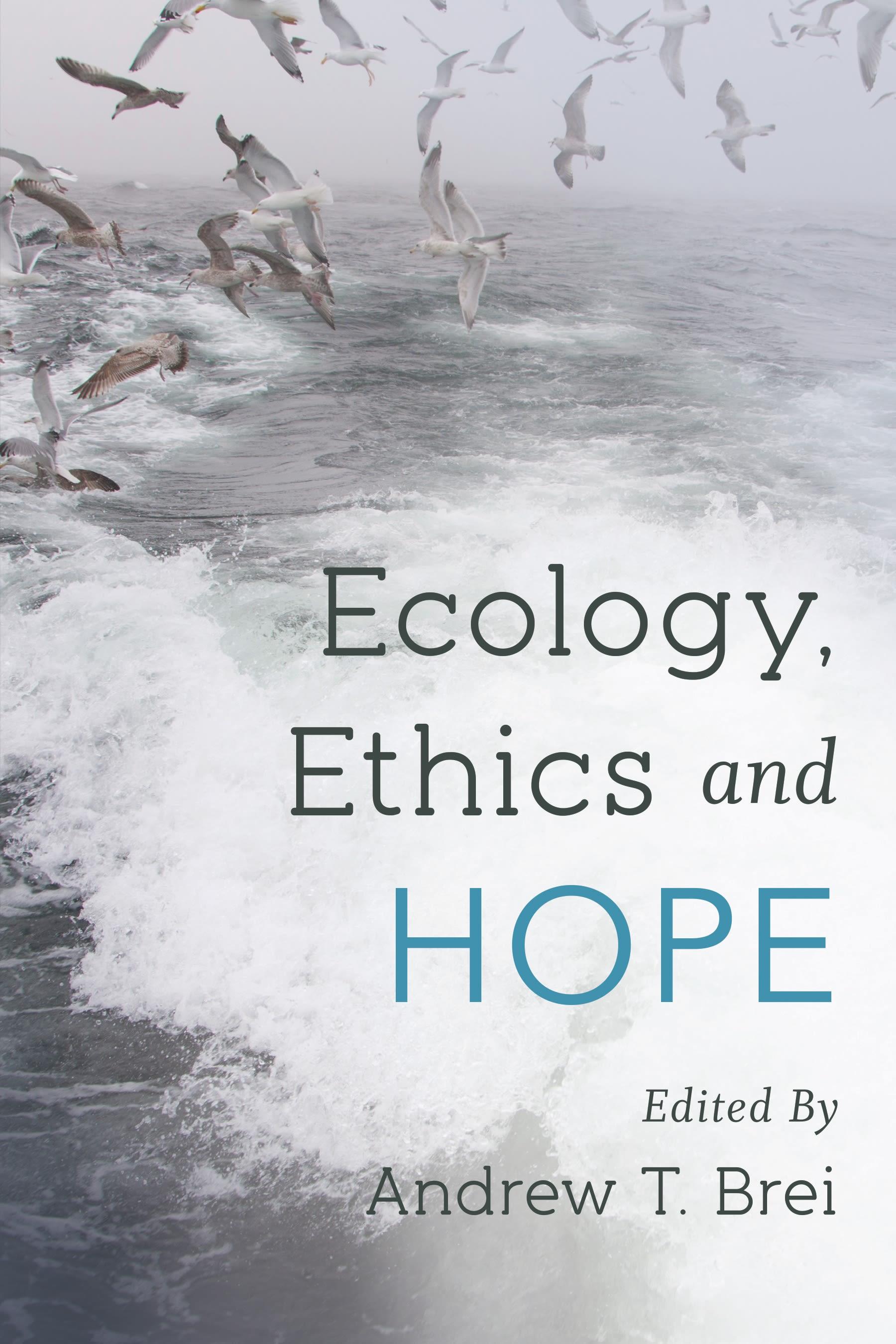
Ecology, Ethics, and Hope explores what hope is, how it operates, and whether or not it is important in our response to ecological challenges like climate change, deforestation, biodiversity loss, and pollution. The book offers an accessible and timely overview of this emerging topic within environmental ethics, a platform for further discussion, and refinement of the notion of hope.
Hope has started to receive more theoretical attention from philosophers and social scientists. In light of worsening ecological conditions, the concept of hope may offer motivation for us to change our destructive ways and conserve the ecosystem goods and systems we depend on. The authors in this collection take stock of the various accounts of what hope is (or is not), what it does (or does not), and how relevant it is to ecological thinking. The book covers topics including the psychology of hope (how it might operate and change minds), hope as a motivator of positive action, and hope’s essence in the context of a virtue- or obligation-focused morality.
Contributors:
Elizabeth Andre, Assistant Professor of Outdoor Education, Northland College, USA; Jonathan Beever, Postdoctoral Scholar, Rock Ethics Institute, Penn State University, USA; Andrew T. Brei, Visiting Assistant Professor of Philosophy, St Mary’s University; Andrew Fiala, Professor of Philosophy, California State University-Fresno, USA; Trevor Hedberg, Graduate Student, University of Tennessee Knoxville, USA; Lisa Kretz, Assistant Professor of Philosophy, University of Evansville, USA; Michael Nelson, Professor of Environmental Ethics and Philosophy, Oregon State University, USA; John Nolt, Professor of Philosophy, University of Tennessee Knoxville, USA; Brian Treanor, Professor of Philosophy, Loyola Marymount University, USA
Hope has started to receive more theoretical attention from philosophers and social scientists. In light of worsening ecological conditions, the concept of hope may offer motivation for us to change our destructive ways and conserve the ecosystem goods and systems we depend on. The authors in this collection take stock of the various accounts of what hope is (or is not), what it does (or does not), and how relevant it is to ecological thinking. The book covers topics including the psychology of hope (how it might operate and change minds), hope as a motivator of positive action, and hope’s essence in the context of a virtue- or obligation-focused morality.
Contributors:
Elizabeth Andre, Assistant Professor of Outdoor Education, Northland College, USA; Jonathan Beever, Postdoctoral Scholar, Rock Ethics Institute, Penn State University, USA; Andrew T. Brei, Visiting Assistant Professor of Philosophy, St Mary’s University; Andrew Fiala, Professor of Philosophy, California State University-Fresno, USA; Trevor Hedberg, Graduate Student, University of Tennessee Knoxville, USA; Lisa Kretz, Assistant Professor of Philosophy, University of Evansville, USA; Michael Nelson, Professor of Environmental Ethics and Philosophy, Oregon State University, USA; John Nolt, Professor of Philosophy, University of Tennessee Knoxville, USA; Brian Treanor, Professor of Philosophy, Loyola Marymount University, USA
Pay easily by card, Klarna, Apple Pay or Google Pay. Not happy? You always have a 14-day money-back guarantee. Read more in our terms. If you have any questions, email us at hello@memmo.org.
Memmo makes studying easier – wherever you are in the world. We bring your course books and smart study tools together in one place: summaries, quizzes, podcasts and flashcards. Plus Ted, your study buddy who answers anything you wonder. Over 50,000 students already study here – built to help you learn faster and stress less.