
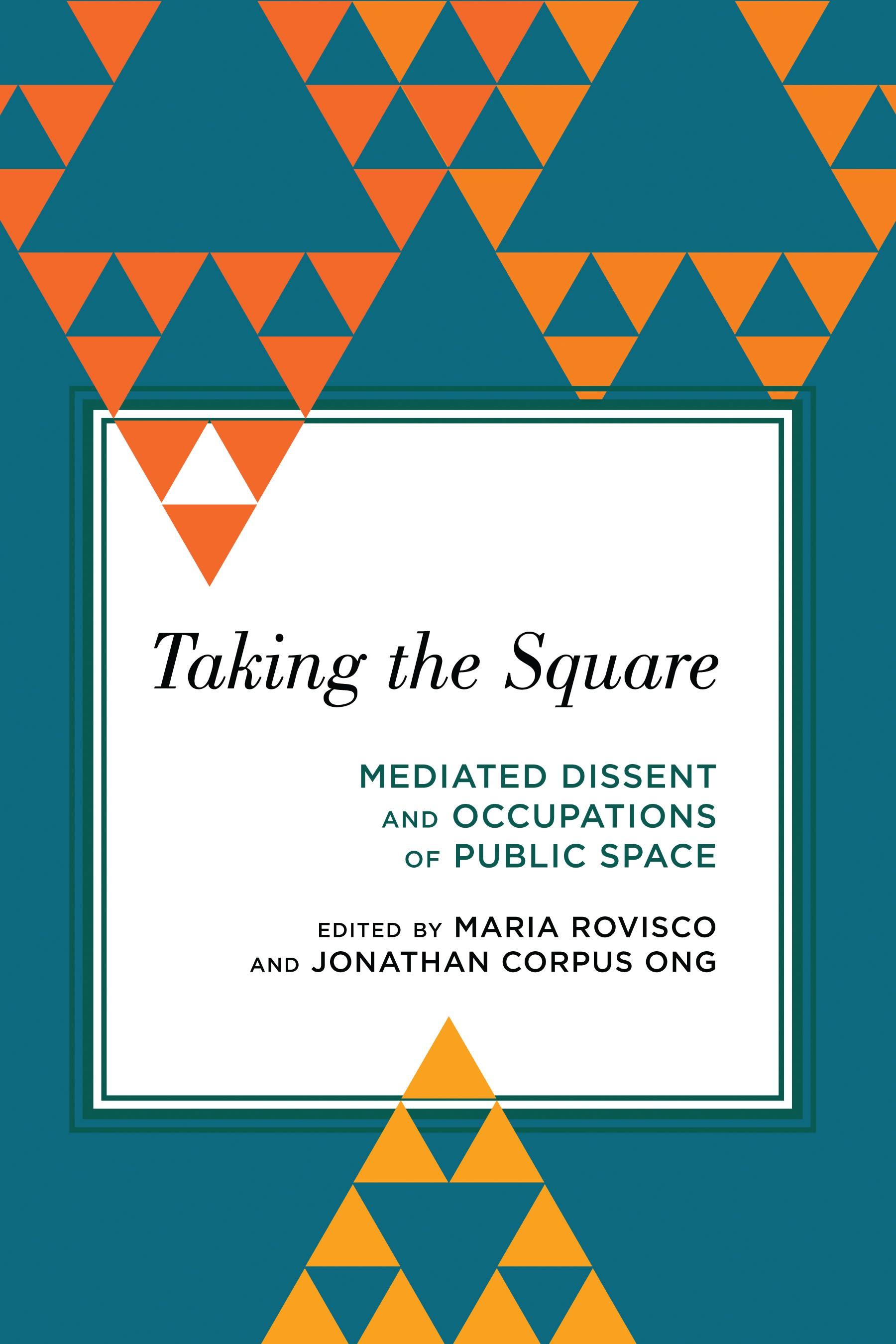
From the Arab uprisings to the indignados movement and the global Occupy sit-ins, recent protests and civil unrest have sparked new debates about political organisation, media representation and the nature of contemporary citizenship. But is there anything new about these occupations of public space? How are these protests legitimised or undermined by the intense mediation of streets and squares? And how are these different from expressions of dissent in other contexts, including those of ethnic minorities in the New Orleans mardi gras and survivors of natural disaster in the Philippines?
This book challenges the notion of a ‘disappearance of public space’ by reconsidering the significance of physical space and embodiment in the conduct and consequences of protest events. Looking at a range of assemblies–sustained and fleeting, spectacular and ordinary–this volume illuminates how square and street politics and their mediation become vehicles for new ideas of community, citizenship and public life.
This book challenges the notion of a ‘disappearance of public space’ by reconsidering the significance of physical space and embodiment in the conduct and consequences of protest events. Looking at a range of assemblies–sustained and fleeting, spectacular and ordinary–this volume illuminates how square and street politics and their mediation become vehicles for new ideas of community, citizenship and public life.
Pay easily by card, Klarna, Apple Pay or Google Pay. Not happy? You always have a 14-day money-back guarantee. Read more in our terms. If you have any questions, email us at hello@memmo.org.
Memmo makes studying easier – wherever you are in the world. We bring your course books and smart study tools together in one place: summaries, quizzes, podcasts and flashcards. Plus Ted, your study buddy who answers anything you wonder. Over 50,000 students already study here – built to help you learn faster and stress less.