
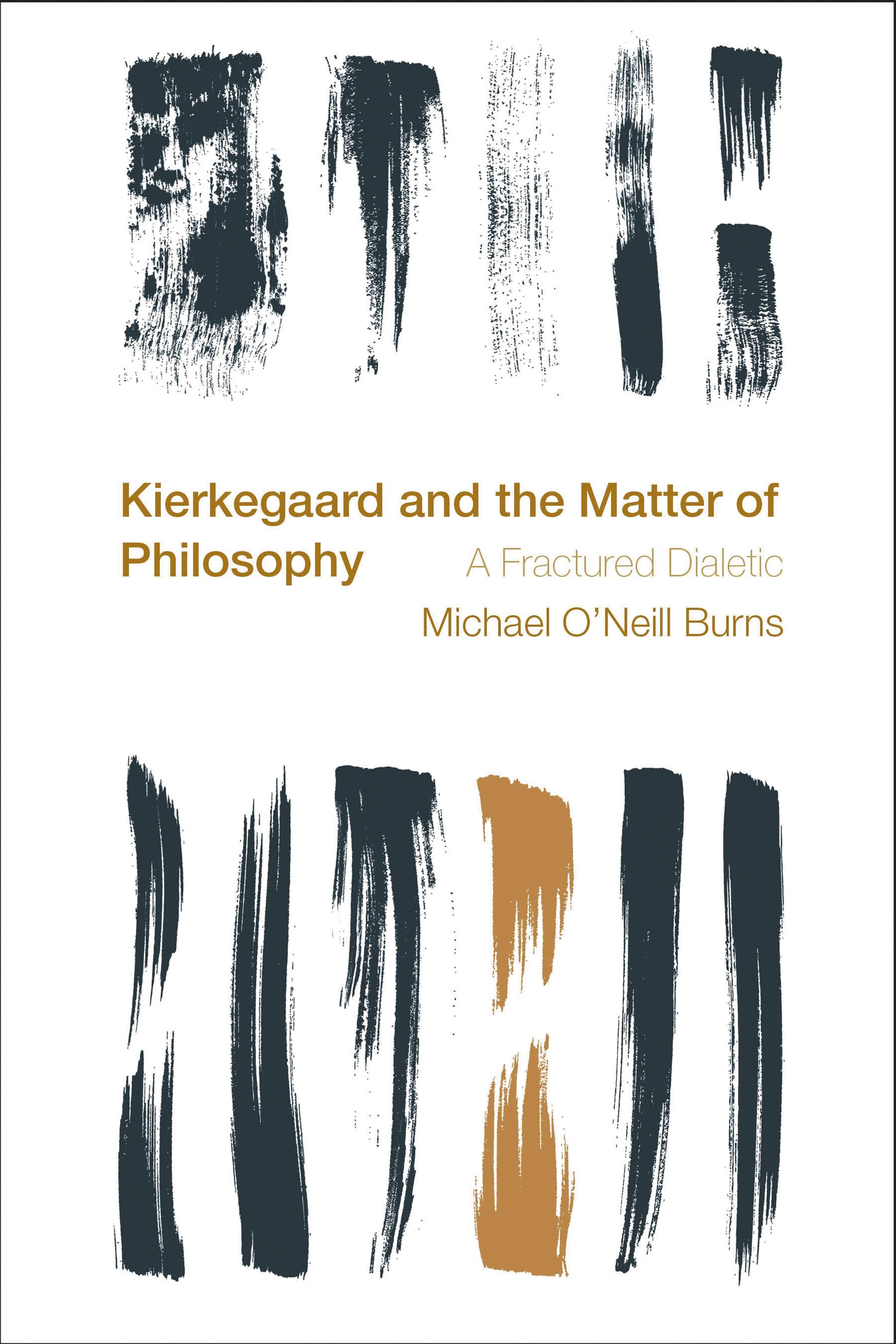
Søren Kierkegaard is often cast as the forefather of existentialism and an anti-Hegelian proponent of the single individual. Yet this book calls these traditional characterizations into question by arguing that Kierkegaard offers not only a systematic critique of idealist philosophy, but more surprisingly, a political ontology that is paradoxically at home in the context of twenty-first-century philosophical and political thought.
Through a close consideration of his authorship in the context of nineteenth-century German idealism, Michael O'Neill Burns argues that Kierkegaard develops an ontology, anthropology and theory of the political that are outcomes of his critical appropriation of the philosophical projects of Hegel, Schelling, and Fichte. While starting out in the philosophical concerns of the nineteenth century, the book offers an interpretation of Kierkegaard that shows his relevance to philosophers and political theorists in the twenty-first century.
Through a close consideration of his authorship in the context of nineteenth-century German idealism, Michael O'Neill Burns argues that Kierkegaard develops an ontology, anthropology and theory of the political that are outcomes of his critical appropriation of the philosophical projects of Hegel, Schelling, and Fichte. While starting out in the philosophical concerns of the nineteenth century, the book offers an interpretation of Kierkegaard that shows his relevance to philosophers and political theorists in the twenty-first century.
Pay easily by card, Klarna, Apple Pay or Google Pay. Not happy? You always have a 14-day money-back guarantee. Read more in our terms. If you have any questions, email us at hello@memmo.org.
Memmo makes studying easier – wherever you are in the world. We bring your course books and smart study tools together in one place: summaries, quizzes, podcasts and flashcards. Plus Ted, your study buddy who answers anything you wonder. Over 50,000 students already study here – built to help you learn faster and stress less.