
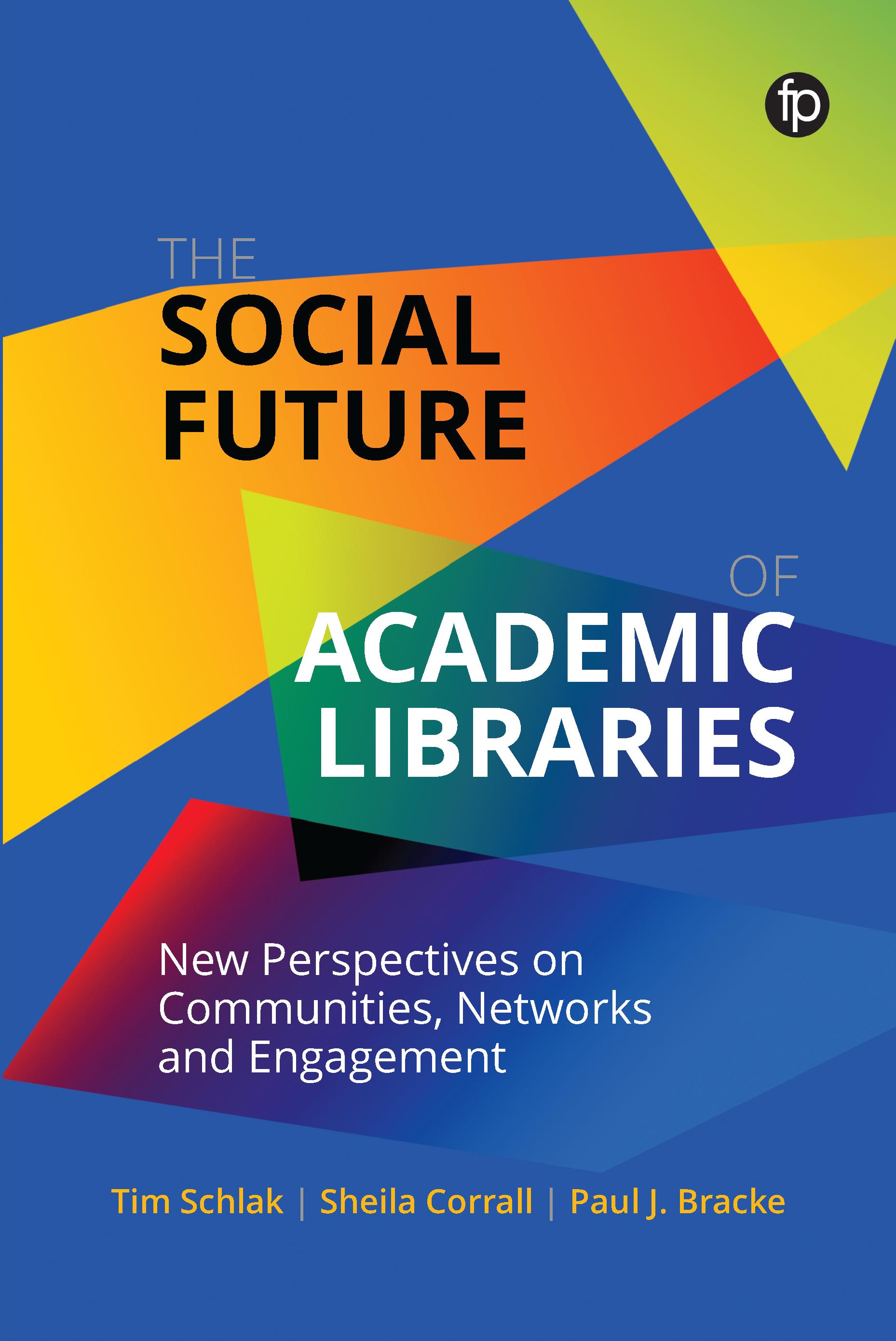
The current focus in higher education on student engagement, holistic education, social responsibility and community partnerships demands a significant mind-shift for academic libraries to reclaim their place at the heart of academic institutions that are reinventing themselves as social enterprises. The professional response to social trends in the academy and society includes moves such as converged services, embedded librarians, relationship management, inside-out libraries and design thinking. But such work is often confined to small parts of the library and has not created the largescale change in strategy and culture required to turn libraries into dynamic social organisations in the connected digital world. Incremental enhancement of services, spaces and structures is not enough. The present context calls for radical rethinking of library mission and service philosophy to realign resources, processes and practices to institutional needs. New ways of working must be guided by new ways of thinking that empower librarians to view practices holistically through a social lens. Intellectual and social capital theories offer new perspectives on library work and a proven conceptual framework for the reset needed to keep academic libraries relevant in the 21st century.
The Social Future of Academic Libraries starts with the developments in thinking and practice that constitute the ‘social turn’ in communities, professions, the economy, the academy and libraries, while also introducing the core concepts of intellectual and social capital and networks. Part II presents nine case studies illustrating how social capital perspectives and social network theory can facilitate organisational learning, service development and collaborative relationships across different areas of library practice. Examples cover collection development, data services, information literacy, liaison librarians, library fundraising, service design, space utilisation, subject specialists and student success. The volume is accompanied by a keyword guide to the concepts, theories and models referenced in the text via two downloadable glossaries with related bibliographies to inform current reading and future work.
Pay easily by card, Klarna, Apple Pay or Google Pay. Not happy? You always have a 14-day money-back guarantee. Read more in our terms. If you have any questions, email us at hello@memmo.org.
Memmo makes studying easier – wherever you are in the world. We bring your course books and smart study tools together in one place: summaries, quizzes, podcasts and flashcards. Plus Ted, your study buddy who answers anything you wonder. Over 50,000 students already study here – built to help you learn faster and stress less.