
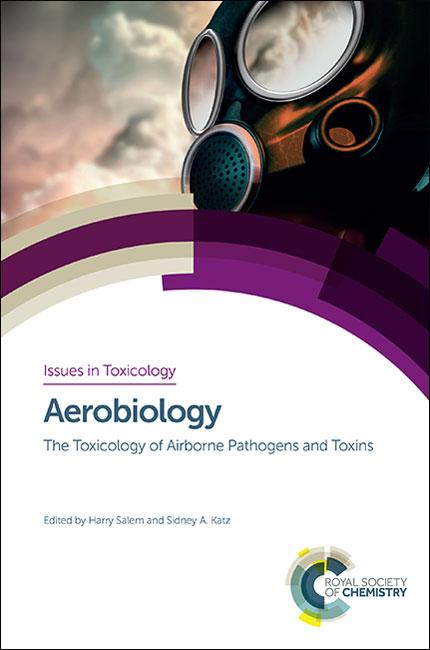
Aerobiology is the study of airborne organic particulates in the environment, such as bacteria or fungal spores. These can be either naturally occurring or artificially introduced into the air. Some of the toxicological, pharmacological, and physiological effects of bioaerosols include infections, allergies, and cancer. Research efforts in aerobiology range from remediating household mould to combating bioterrorism.
This book focusses on the toxicological aspects of aerobiology, considering the adverse health effects associated with the inhalation of specific bioaerosols, such as anthrax and ricin. Additionally, chapters cover techniques for generating, sampling and characterizing airborne biological materials as well as methods for establishing standards of exposure. Moreover, mitigation of exposure and protection against exposure are described.
Bringing together the contemporary status of information in the area, this book will be a valuable reference book for pulmonary specialists, general practitioners of medicine, public health and public safety officers, first responders, military personnel, and students studying toxicology and related disciplines.
Pay easily by card, Klarna, Apple Pay or Google Pay. Not happy? You always have a 14-day money-back guarantee. Read more in our terms. If you have any questions, email us at hello@memmo.org.
Memmo makes studying easier – wherever you are in the world. We bring your course books and smart study tools together in one place: summaries, quizzes, podcasts and flashcards. Plus Ted, your study buddy who answers anything you wonder. Over 50,000 students already study here – built to help you learn faster and stress less.