
This book is available as open access through the Bloomsbury Open Access programme and is available on bloomsburycollections.com.
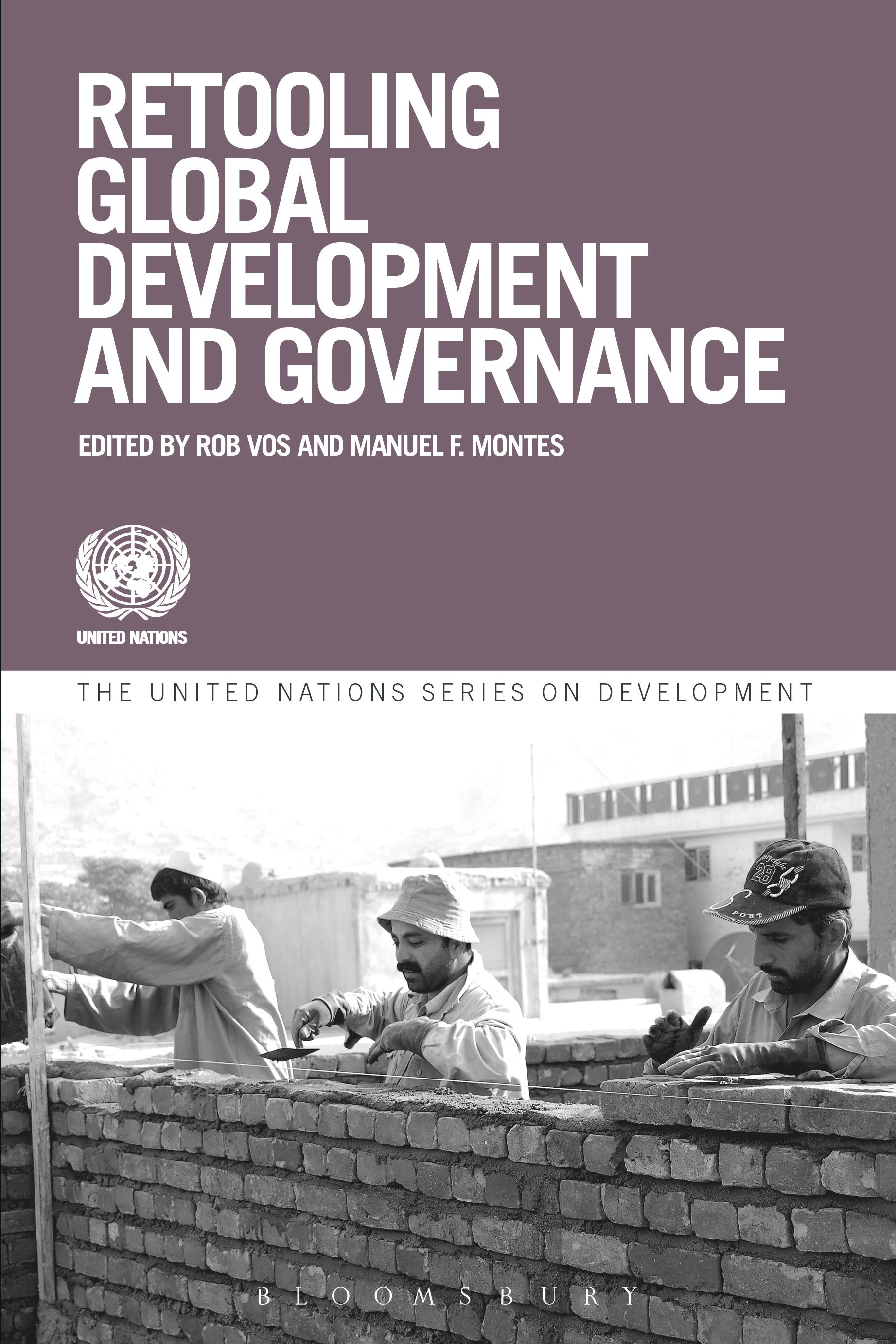
In Retooling Global Development and Governance a team of UN experts debate new ideas about how to overcome deficiencies in the ongoing process of globalization and in the existing mechanisms for global economic governance. They do not claim to offer a blueprint, rather a set of ideas that could become the basis for a coherent "toolbox" designed to guide development policies and international cooperation.
Promising directions for reform discussed in the book include:
- Strengthening government capacities for formulating and implementing national development strategies
- New strategies for ensuring that official development assistance is aligned with national priorities
- Enhancing international trade and financial systems so that countries with limited capabilities can successfully integrate into the global economy
- Creating new mechanisms for dealing with deficiencies, such as specialized multilateral frameworks through which to govern international migration and labour mobility, international financial regulation, multinational corporations and global value chains regulation and sovereign debt workouts.
Above all, the book highlights the need for a strong mechanism for global economic coordination to establish coherence across all areas of global economic governance.
In Retooling Global Development and Governance a team of UN experts debate new ideas about how to overcome deficiencies in the ongoing process of globalization and in the existing mechanisms for global economic governance. They do not claim to offer a blueprint, rather a set of ideas that could become the basis for a coherent "toolbox" designed to guide development policies and international cooperation.
Promising directions for reform discussed in the book include:
- Strengthening government capacities for formulating and implementing national development strategies
- New strategies for ensuring that official development assistance is aligned with national priorities
- Enhancing international trade and financial systems so that countries with limited capabilities can successfully integrate into the global economy
- Creating new mechanisms for dealing with deficiencies, such as specialized multilateral frameworks through which to govern international migration and labour mobility, international financial regulation, multinational corporations and global value chains regulation and sovereign debt workouts.
Above all, the book highlights the need for a strong mechanism for global economic coordination to establish coherence across all areas of global economic governance.
Pay easily by card, Klarna, Apple Pay or Google Pay. Not happy? You always have a 14-day money-back guarantee. Read more in our terms. If you have any questions, email us at hello@memmo.org.
Memmo makes studying easier – wherever you are in the world. We bring your course books and smart study tools together in one place: summaries, quizzes, podcasts and flashcards. Plus Ted, your study buddy who answers anything you wonder. Over 50,000 students already study here – built to help you learn faster and stress less.