
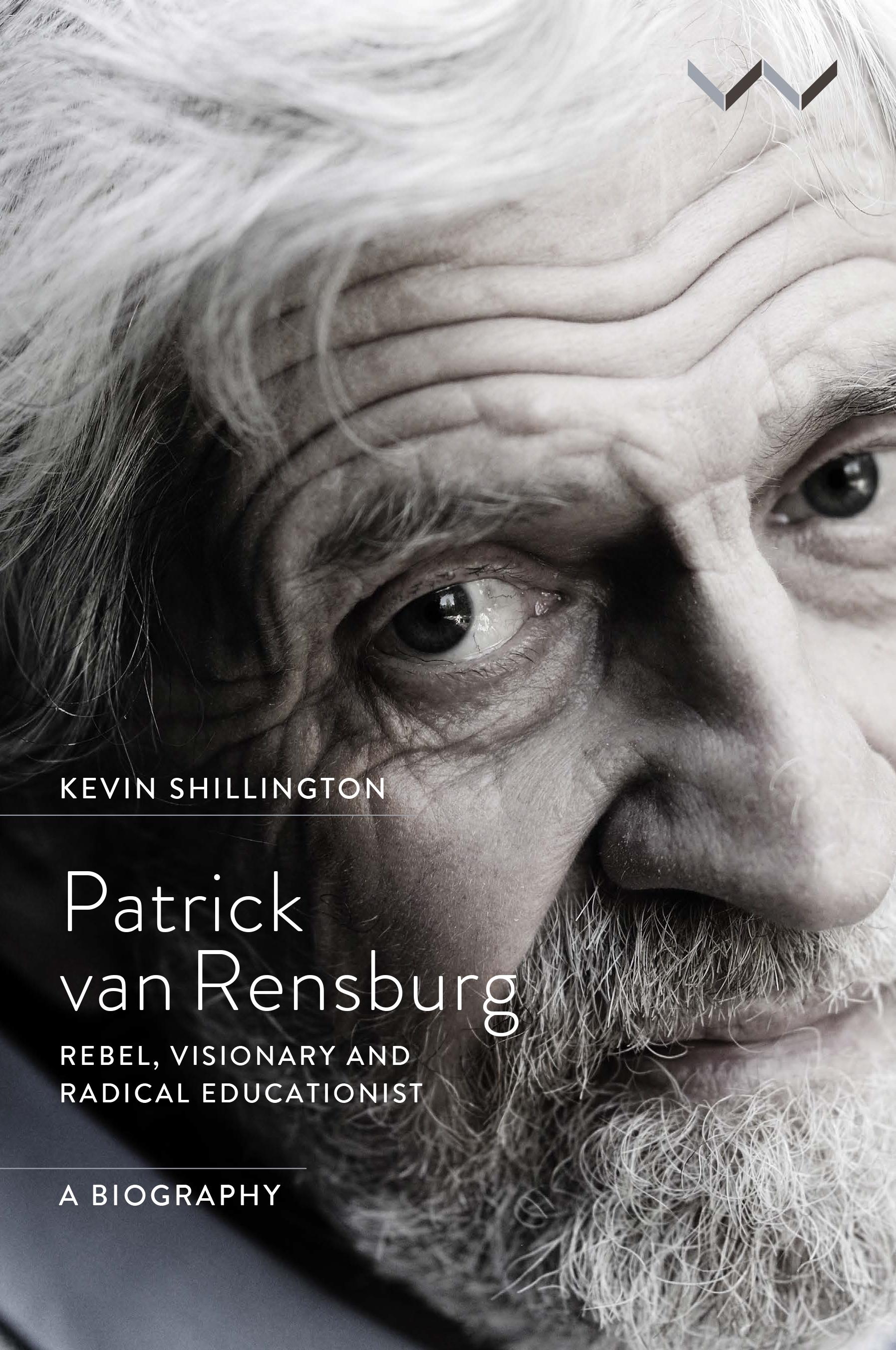
Patrick van Rensburg (1931–2017) was an anti-apartheid activist and self-made ‘alternative educationist’ whose work received international recognition with the Right Livelihood Award in 1981.
Born in KwaZulu-Natal into what he described as a ‘very ordinary South African family that believed in the virtue of racism’, Van Rensburg became a self-styled rebel who tirelessly pursued his own vision of a brighter future for emerging societies in post-colonial southern Africa.
His emotional and intellectual struggle against his upbringing and cultural roots led him to reject his life of white privilege in South Africa. Determined to prevent the emergence of a privileged black elite in post-colonial society, he devoted his life to implementing an alternative, egalitarian approach to education, focusing on quality and functional schooling for the majority. Rewarded with the internationally prestigious Right Livelihood Award for his unique contribution to education, he saw this work as a ‘necessary tool of development’.
Exiled from South Africa in 1960 because of his involvement in the London boycott campaign that gave birth to the Anti-Apartheid Movement, Van Rensburg moved to Botswana (then Bechuanaland). There he founded cooperatives, provided vocational training and was among the earliest educationists to espouse the discipline of development studies.
Perhaps his best-known legacy is the Swaneng Hill School, which he founded to provide an educational home for primary school ‘dropouts’ through a curriculum that combined theory and practice, and academic and manual labour. He involved his pupils in building their school, running it, providing their own food, and making their own equipment and furniture.
Van Rensburg was an innovative and charismatic visionary who captured the zeitgeist of the late twentieth century, and whose work and vision still have resonance for debates in educational policy today.
Pay easily by card, Klarna, Apple Pay or Google Pay. Not happy? You always have a 14-day money-back guarantee. Read more in our terms. If you have any questions, email us at hello@memmo.org.
Memmo makes studying easier – wherever you are in the world. We bring your course books and smart study tools together in one place: summaries, quizzes, podcasts and flashcards. Plus Ted, your study buddy who answers anything you wonder. Over 50,000 students already study here – built to help you learn faster and stress less.