
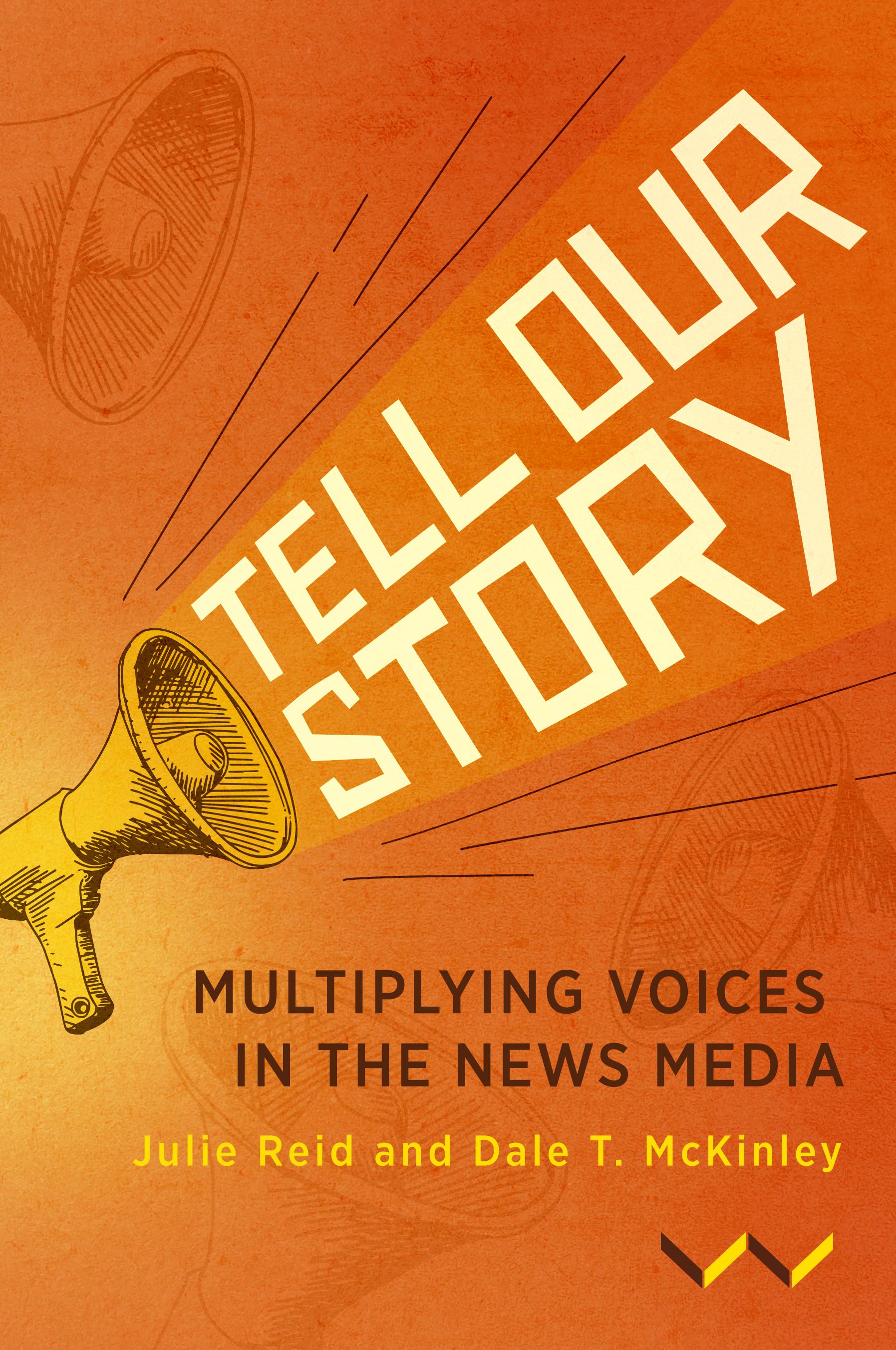
Focusing on three South African communities the authors dismiss the idea that some groups are voiceless, arguing that they are being deliberately ignored by dominant news media
The dominant news media are often accused of reflecting an ‘elite bias’, privileging and foregrounding the interests of a small segment of society while ignoring the narratives of the majority. The authors of Tell Our Story investigate this problem and offer a hands-on demonstration of listening journalism and research in practice. In the process they dismiss the idea that some groups are voiceless, arguing that what is often described in such terms is mostly a matter of those groups being deliberately ignored. Focusing their attention on three very different South African communities they delve into the life and struggle narratives of each, exposing the divide between the stories told by the people who actually live in the communities and the way in which those stories have been understood and shaped by the media. The three communities are those living in the Glebelands hostel complex in Durban where over 100 residents have been killed in politically motivated violence in the past few years; the Xolobeni community on the Wild Coast, which has been resisting the building of a new toll road and a dune mining venture; and Thembelihle, a settlement south-west of Johannesburg that has been resisting removal for many years. The book concludes with a set of practical guidelines for journalists on the practice of listening journalism.
Pay easily by card, Klarna, Apple Pay or Google Pay. Not happy? You always have a 14-day money-back guarantee. Read more in our terms. If you have any questions, email us at hello@memmo.org.
Memmo makes studying easier – wherever you are in the world. We bring your course books and smart study tools together in one place: summaries, quizzes, podcasts and flashcards. Plus Ted, your study buddy who answers anything you wonder. Over 75,000 students already study here – built to help you learn faster and stress less.