
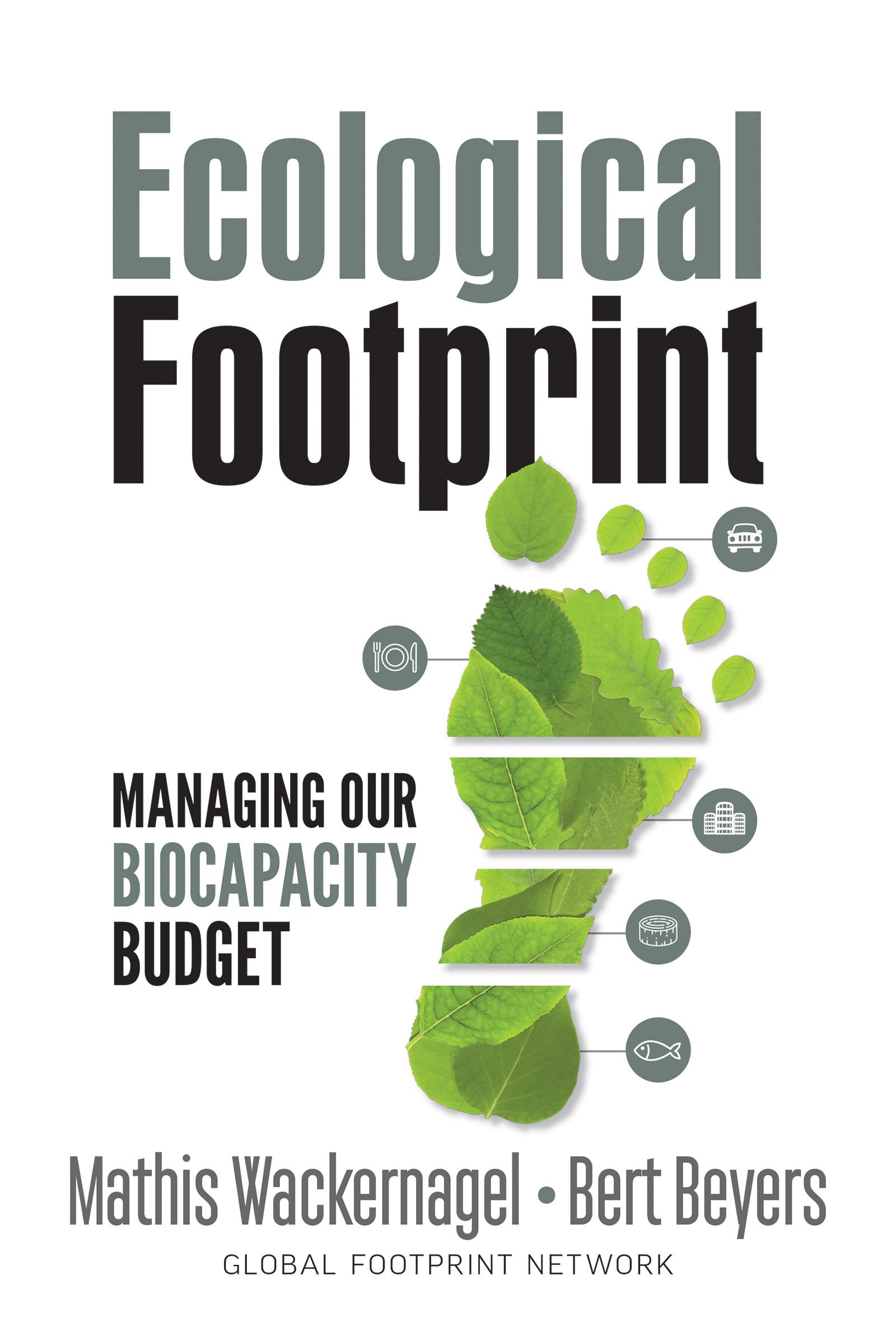
The only metric that tracks how much nature we have – and how much nature we use
Ecological Footprint accounting, first introduced in the 1990s and continuously developed, continues to be the only metric that compares overall human demand on nature with what our planet can renew — its biocapacity — and distils this into one number: how many Earths we use.
Our economy is running a Bernie Madoff-style Ponzi scheme with the planet. We use future resources to run the present, using more than Earth can replenish. Like any such scheme, this works for a limited time, followed by a crash.
Avoiding ecological bankruptcy requires rigorous resource accounting — a challenging task, but doable with the right tools.
Ecological Footprint provides a complete introduction, covering:
- Footprint and biocapacity accounting
- Data and key findings for nations
- Worldwide examples including businesses, cities, and countries
- Strategies for creating regenerative economies
Whether you’re a student, business leader, future-oriented city planner, economist, or have an abiding interest in humanity’s future, Footprint and biocapacity are key parameters to be reckoned with and Ecological Footprint is your essential guide.
AWARDS
- SILVER | 2020 Eric Zencey Prize
- SILVER | 2019 Nautilus Book Awards: Ecology & Environment
- FINALIST | 2019 Foreword INDIES: Ecology & Environment
Pay easily by card, Klarna, Apple Pay or Google Pay. Not happy? You always have a 14-day money-back guarantee. Read more in our terms. If you have any questions, email us at hello@memmo.org.
Memmo makes studying easier – wherever you are in the world. We bring your course books and smart study tools together in one place: summaries, quizzes, podcasts and flashcards. Plus Ted, your study buddy who answers anything you wonder. Over 50,000 students already study here – built to help you learn faster and stress less.