
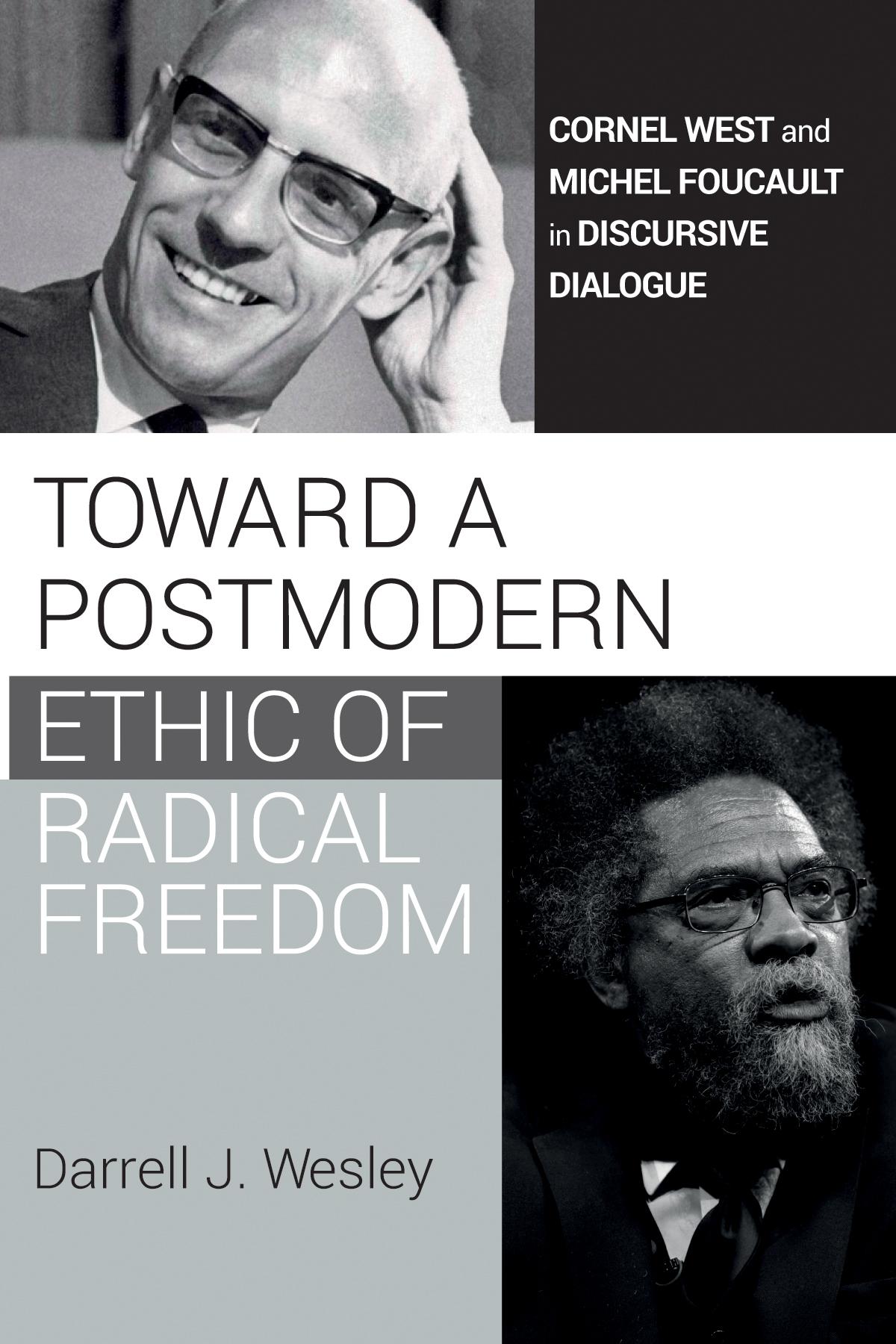
Toward a Postmodern Ethic of Radical Freedom is one of the first, if not the first, to bring Cornel West and Michel Foucault together in a meaningful dialogue to formulate "a postmodern ethic of radical freedom." This dialogue begins with the practical posture of West, more specifically his notions of truth and reality and work, then goes back to his more theoretical work to explore the same notions. As a project in constructive ethics, this book examines Cornel West's epistemology (notion of truth) and metaphysics (notions of reality) as foundational components for a postmodern ethic of radical freedom. These foundational components are then brought into a discursive conversation with aspects of Michel Foucault's archaeology and genealogy, with a method called reconstruction. This reconstruction results in two important trajectories, radical ontology and radical epistemology, which become the pillars for a postmodern ethic of radical freedom. The last chapter of the book weaves together all components with the womanist work of Monica Coleman and Patricia Hill Collins as examples of this ethic of radical freedom. Practically speaking, this postmodern ethic of radical freedom serves as a platform to ensure transcendence so that all people, regardless of race, gender, or sexuality, can enjoy a flourishing and fulfilled life.
Pay easily by card, Klarna, Apple Pay or Google Pay. Not happy? You always have a 14-day money-back guarantee. Read more in our terms. If you have any questions, email us at hello@memmo.org.
Memmo makes studying easier – wherever you are in the world. We bring your course books and smart study tools together in one place: summaries, quizzes, podcasts and flashcards. Plus Ted, your study buddy who answers anything you wonder. Over 50,000 students already study here – built to help you learn faster and stress less.
You might also like
Buy the book0