
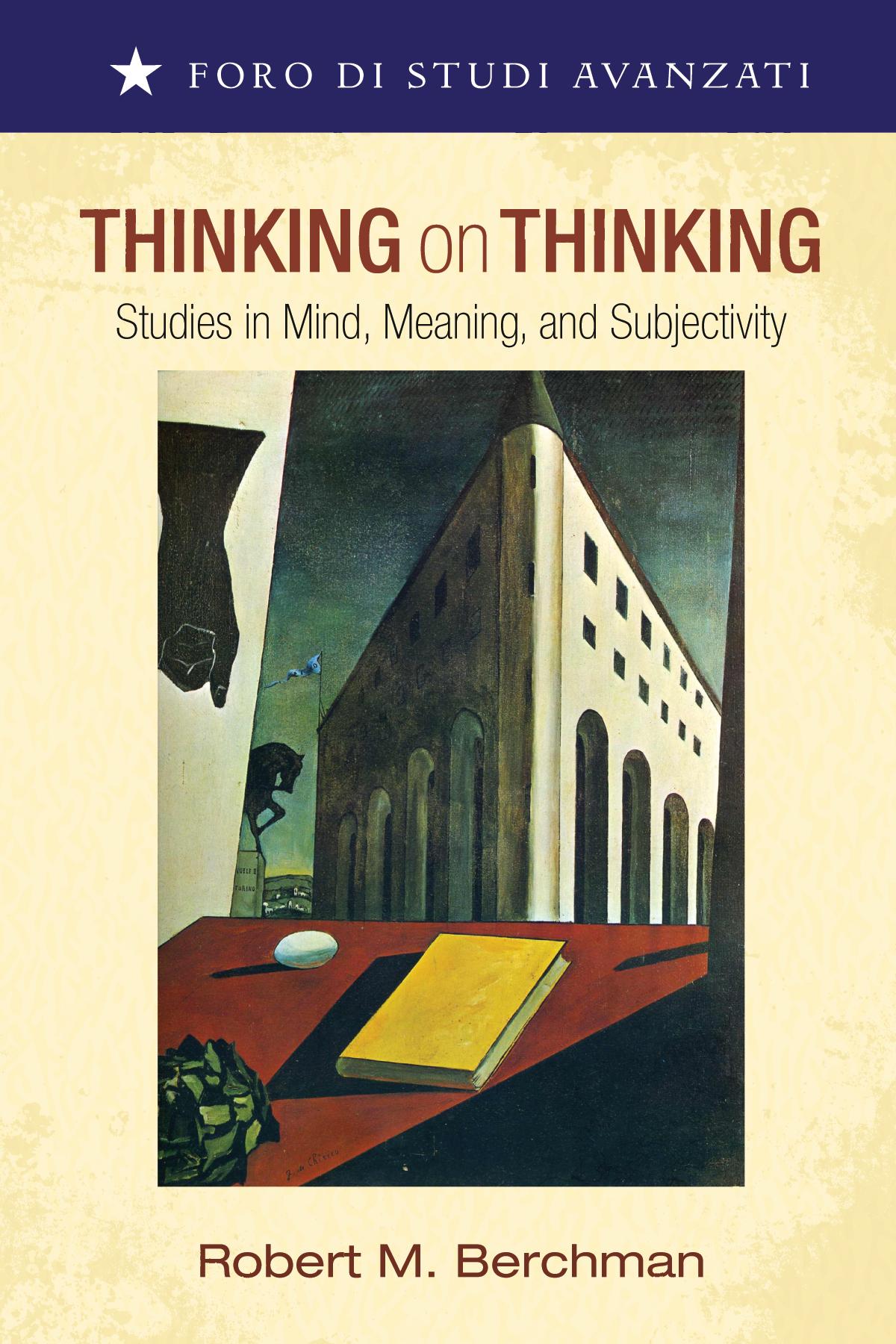
Aristotle and Plotinus set the horizon of inquiry--thinking is thinking on thinking. Discussion of mind, meaning, and subjectivity begins with the question, How is thinking on thinking different from the kind of thinking with which we are familiar? The answer is that 'thinking on thinking' is about the presuppositions, concepts, and problems that generate questions in ancient and modern metaphysics, epistemology, aesthetics, philosophy of mind, and philosophy of language. Topics examined include the nature of intentionality and meaning, identity and relation, mind and consciousness, self-identity and subjectivity--which lead into discussions concerning other minds, the limits of thought and language, and the emergence of aesthetics of the self. The effects of 'thinking on thinking' are mapped, particularly in parsing problems in ancient, modern analytic, and phenomenological thought, with advocacy of its importance in the present age.
Pay easily by card, Klarna, Apple Pay or Google Pay. Not happy? You always have a 14-day money-back guarantee. Read more in our terms. If you have any questions, email us at hello@memmo.org.
Memmo makes studying easier – wherever you are in the world. We bring your course books and smart study tools together in one place: summaries, quizzes, podcasts and flashcards. Plus Ted, your study buddy who answers anything you wonder. Over 50,000 students already study here – built to help you learn faster and stress less.
You might also like
Buy the book0