
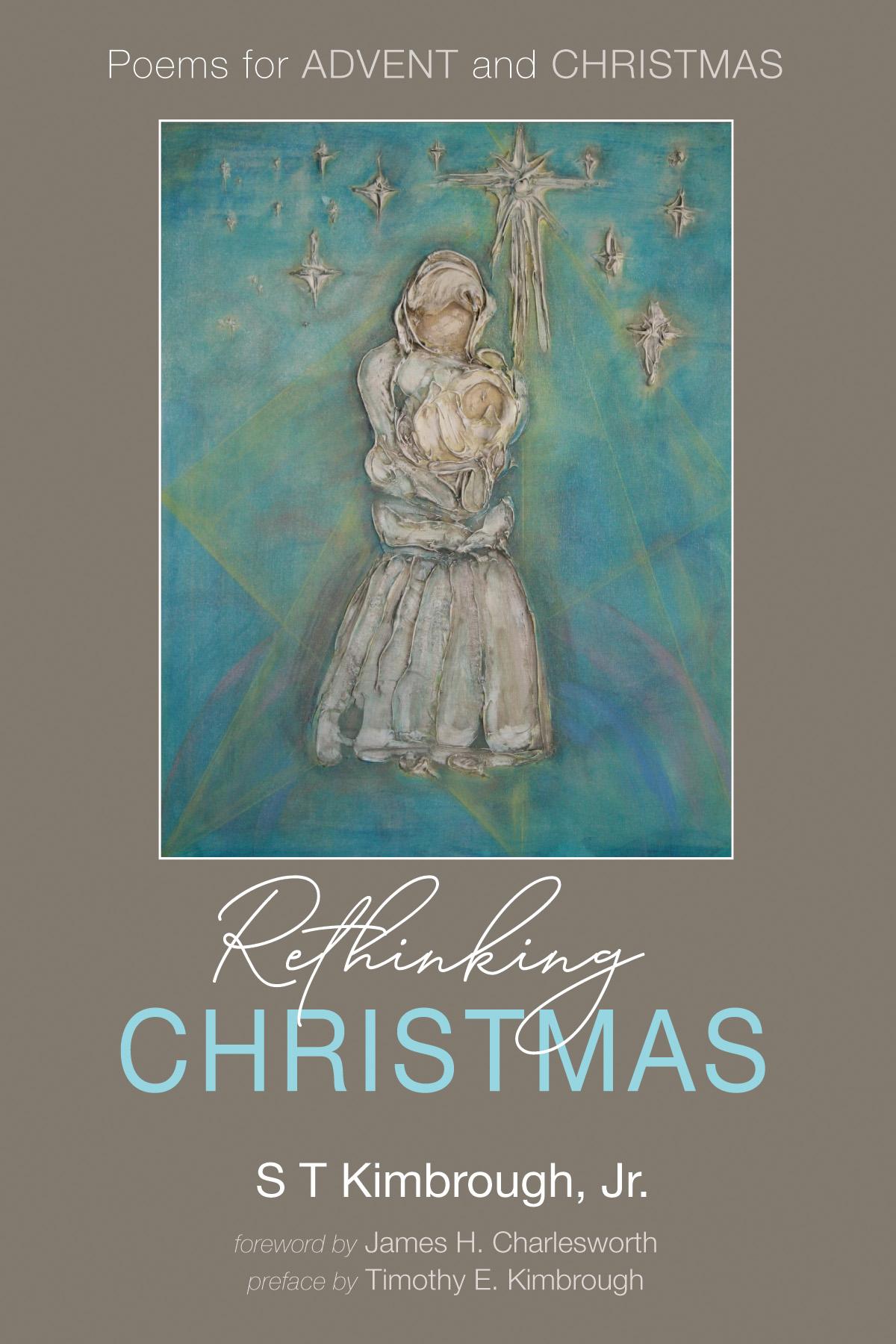
In the poems that appear here imagination plays a significant role. We do not know exactly what people expect or anticipate at Advent, but we know it can be radically different, depending on one's situation in life: the poor, the homeless, those enveloped in war, the wealthy, the desperately ill or injured. What one awaits does not change the nature of Christ's coming, but it greatly influences how Christ is received. One thing is quite clear: it is the love of God that descends to earth in this child, a child of peace and goodwill. If one is not awaiting these things, one's celebration may be well-meaning but very wrong-headed.
These poems imagine what Advent and Christmas are not and what they might be. How might they be seen through the eyes of the poor and marginalized? How might they be viewed by a business concern? How are they misunderstood? What does Christmas mean, when a bell rings on Christmas Day, and a church building has been destroyed and all that remains is the bell tower?
Pay easily by card, Klarna, Apple Pay or Google Pay. Not happy? You always have a 14-day money-back guarantee. Read more in our terms. If you have any questions, email us at hello@memmo.org.
Memmo makes studying easier – wherever you are in the world. We bring your course books and smart study tools together in one place: summaries, quizzes, podcasts and flashcards. Plus Ted, your study buddy who answers anything you wonder. Over 50,000 students already study here – built to help you learn faster and stress less.
You might also like
Buy the book0