
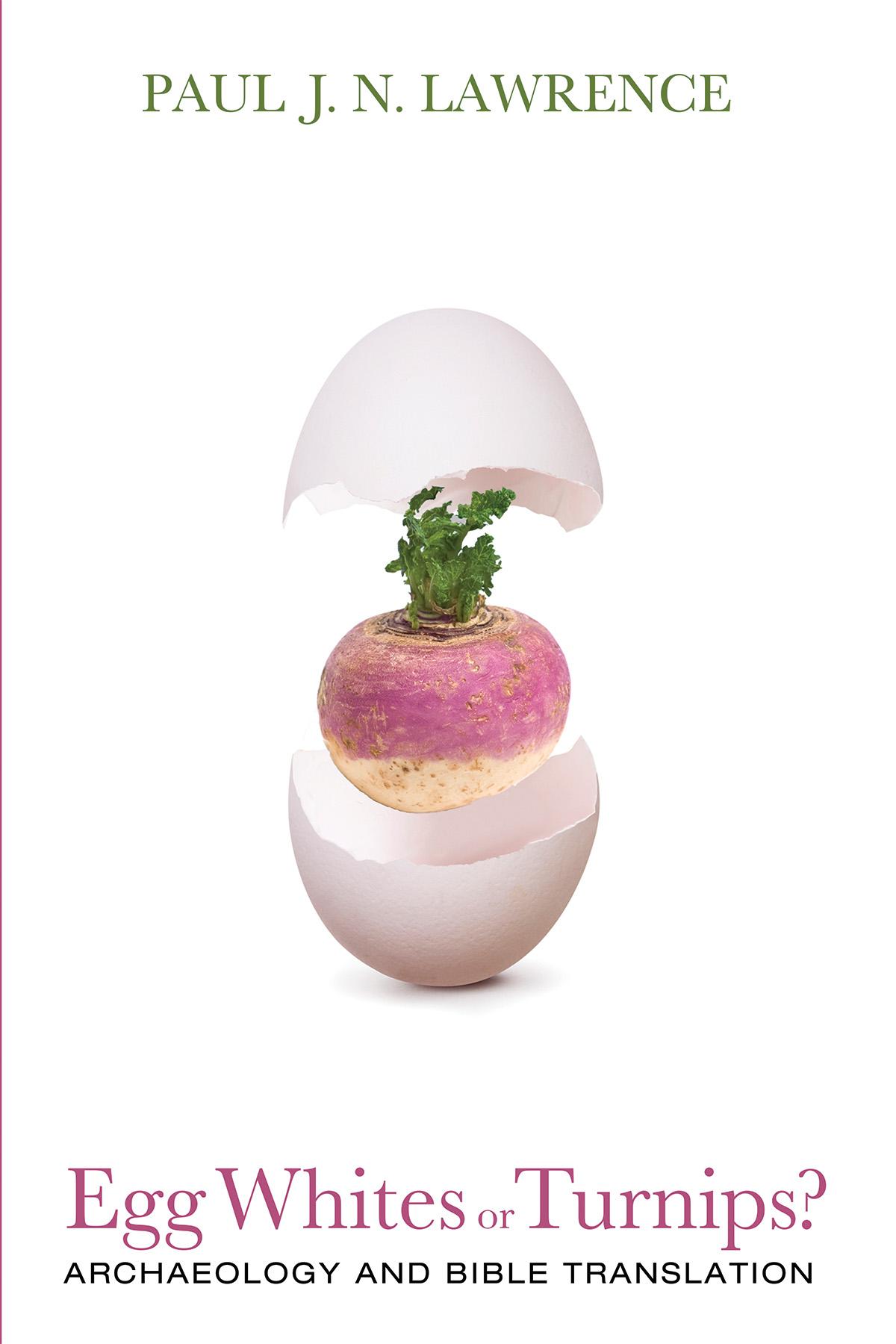
Why are Bible translations so different from each other in places? Don't Bible translators know whether it was peacocks or baboons that King Solomon brought into Israel? Why has "sapphire" been replaced by "lapis lazuli" in some more modern versions? What animal provided the leather for the tabernacle? A badger? A sea cow? Or did the term in question simply mean "leather"?
Can archaeology tell us what David's harp looked like? What is the evidence for leprosy in Bible times? Is there evidence for cotton, silk, and chickens at the time of the Bible?
Answers to these and many other questions are given in this book.
But how are such questions to be answered? Essentially the answer is "from the ground"--what can be called "archaeology." This book explores how, over the past two centuries, archaeology has shed its light on the text of the Bible.
Pay easily by card, Klarna, Apple Pay or Google Pay. Not happy? You always have a 14-day money-back guarantee. Read more in our terms. If you have any questions, email us at hello@memmo.org.
Memmo makes studying easier – wherever you are in the world. We bring your course books and smart study tools together in one place: summaries, quizzes, podcasts and flashcards. Plus Ted, your study buddy who answers anything you wonder. Over 75,000 students already study here – built to help you learn faster and stress less.
You might also like
Buy the book0