
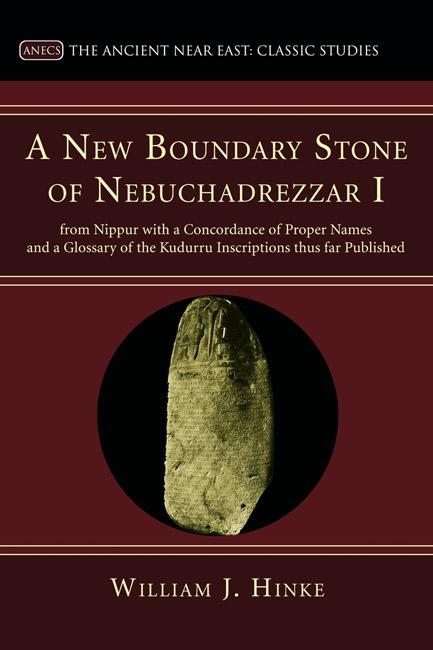
The remains of ancient societies often require decades to unearth, but much longer to interpret and understand. The methods of archaeology have progressed dramatically in recent years. Archaeologists have continuously refined their tools, methods, and techniques. Today archaeology is characterized by pottery identification, classification, and cataloging; disciplined excavation of "squares"; use of sophisticated electronics, such as GPS, infrared, and computer-aided design; and the integration of multiple methodologies, such as epigraphy, art history, physical anthropology, paleobotany, and climatology.
The interpretation of ancient Near Eastern history and cultures has also progressed. An increasing number of documents has been unearthed. The vast document collections from Tel el-Amarna, Nippur, Mari, Nuzi, Ebla, Ugarit, and the Dead Sea caves are just some of the more spectacular examples. These provide an enormous amount of detail about royal administrations, business transactions, land tenure systems, taxes, political propaganda, mythologies, marriage practices, and much more. And things that sometimes seem unique about one culture at first look often fit into larger patterns of relationship when the surrounding cultures are better understood.
The Ancient Near East: Classic Studies (ANECS) reprints classic works that have brought the results of archaeology, textual, and historical investigations to audiences of scholars, students, and the general public. While the discussions continue and the results of earlier investigations are continuously re-examined, these classic works remain of interest and importance.
K. C. HANSON Series Editor
The interpretation of ancient Near Eastern history and cultures has also progressed. An increasing number of documents has been unearthed. The vast document collections from Tel el-Amarna, Nippur, Mari, Nuzi, Ebla, Ugarit, and the Dead Sea caves are just some of the more spectacular examples. These provide an enormous amount of detail about royal administrations, business transactions, land tenure systems, taxes, political propaganda, mythologies, marriage practices, and much more. And things that sometimes seem unique about one culture at first look often fit into larger patterns of relationship when the surrounding cultures are better understood.
The Ancient Near East: Classic Studies (ANECS) reprints classic works that have brought the results of archaeology, textual, and historical investigations to audiences of scholars, students, and the general public. While the discussions continue and the results of earlier investigations are continuously re-examined, these classic works remain of interest and importance.
K. C. HANSON Series Editor
Pay easily by card, Klarna, Apple Pay or Google Pay. Not happy? You always have a 14-day money-back guarantee. Read more in our terms. If you have any questions, email us at hello@memmo.org.
Memmo makes studying easier – wherever you are in the world. We bring your course books and smart study tools together in one place: summaries, quizzes, podcasts and flashcards. Plus Ted, your study buddy who answers anything you wonder. Over 75,000 students already study here – built to help you learn faster and stress less.
You might also like
Buy the book0