
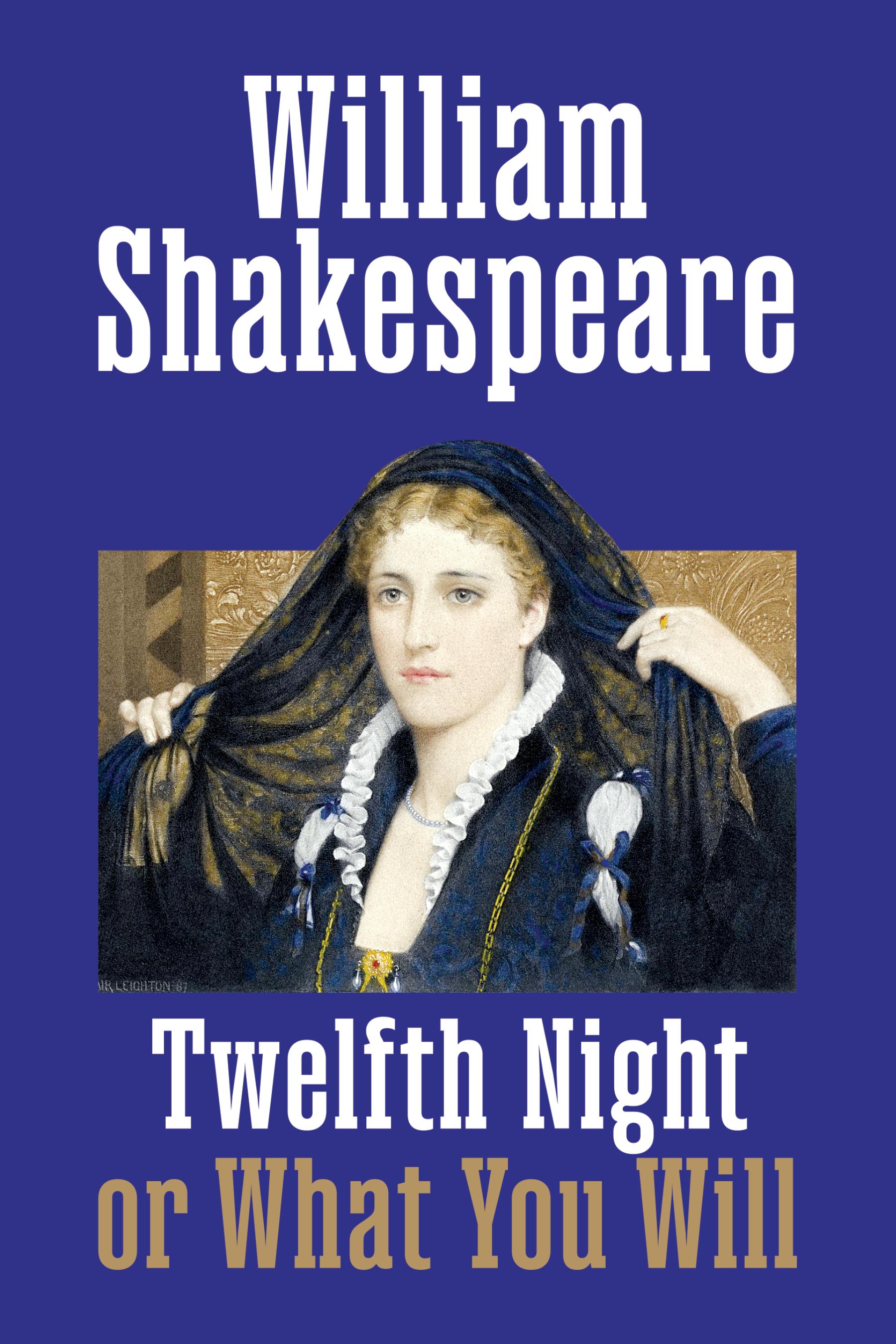
A COMPLEX COMEDY OF MISTAKEN IDENTITY
Twelfth Night is one of William Shakespeare’s most complex and intriguing plays. It is a wild and raucous romantic comedy complete with bawdy revelry, comic hijinks, and the rich poetry of Shakespeare’s best comedies. Here, two plots combine to create a beautiful exploration of love and laughter, misplaced passions, mistaken identity, all with a touch of melancholy.
Viola and Sebastian are almost identical twins who find themselves separated in a foreign country after a shipwreck off the coast of the magical kingdom of Illyria. Fearing that her brother is lost at sea, Viola disguises herself as a young man in order to get a job in the service of Duke Orsino, with whom she falls in love. Meanwhile, Countess Olivia, whom Duke Orsino is in love with, falls for Viola, disguised as a man, setting up one of the funniest love triangles in English literature.
Alongside this plot, is another concerning a self-deluded steward who dreams of becoming “Count Malvolio” only to receive his just punishment at the hands of the merrymakers he wishes to suppress.
These two plots add texture and seductively beautiful explorations to the themes of love and time, gender and sexuality in this romantic drama of confusions, mistaken identities and the suffering it causes. The play ends, not with laughter, but with a clown’s sad song.
Twelfth Night is one of William Shakespeare’s most complex and intriguing plays. It is a wild and raucous romantic comedy complete with bawdy revelry, comic hijinks, and the rich poetry of Shakespeare’s best comedies. Here, two plots combine to create a beautiful exploration of love and laughter, misplaced passions, mistaken identity, all with a touch of melancholy.
Viola and Sebastian are almost identical twins who find themselves separated in a foreign country after a shipwreck off the coast of the magical kingdom of Illyria. Fearing that her brother is lost at sea, Viola disguises herself as a young man in order to get a job in the service of Duke Orsino, with whom she falls in love. Meanwhile, Countess Olivia, whom Duke Orsino is in love with, falls for Viola, disguised as a man, setting up one of the funniest love triangles in English literature.
Alongside this plot, is another concerning a self-deluded steward who dreams of becoming “Count Malvolio” only to receive his just punishment at the hands of the merrymakers he wishes to suppress.
These two plots add texture and seductively beautiful explorations to the themes of love and time, gender and sexuality in this romantic drama of confusions, mistaken identities and the suffering it causes. The play ends, not with laughter, but with a clown’s sad song.
Pay easily by card, Klarna, Apple Pay or Google Pay. Not happy? You always have a 14-day money-back guarantee. Read more in our terms. If you have any questions, email us at hello@memmo.org.
Memmo makes studying easier – wherever you are in the world. We bring your course books and smart study tools together in one place: summaries, quizzes, podcasts and flashcards. Plus Ted, your study buddy who answers anything you wonder. Over 75,000 students already study here – built to help you learn faster and stress less.
You might also like
Buy the book0