
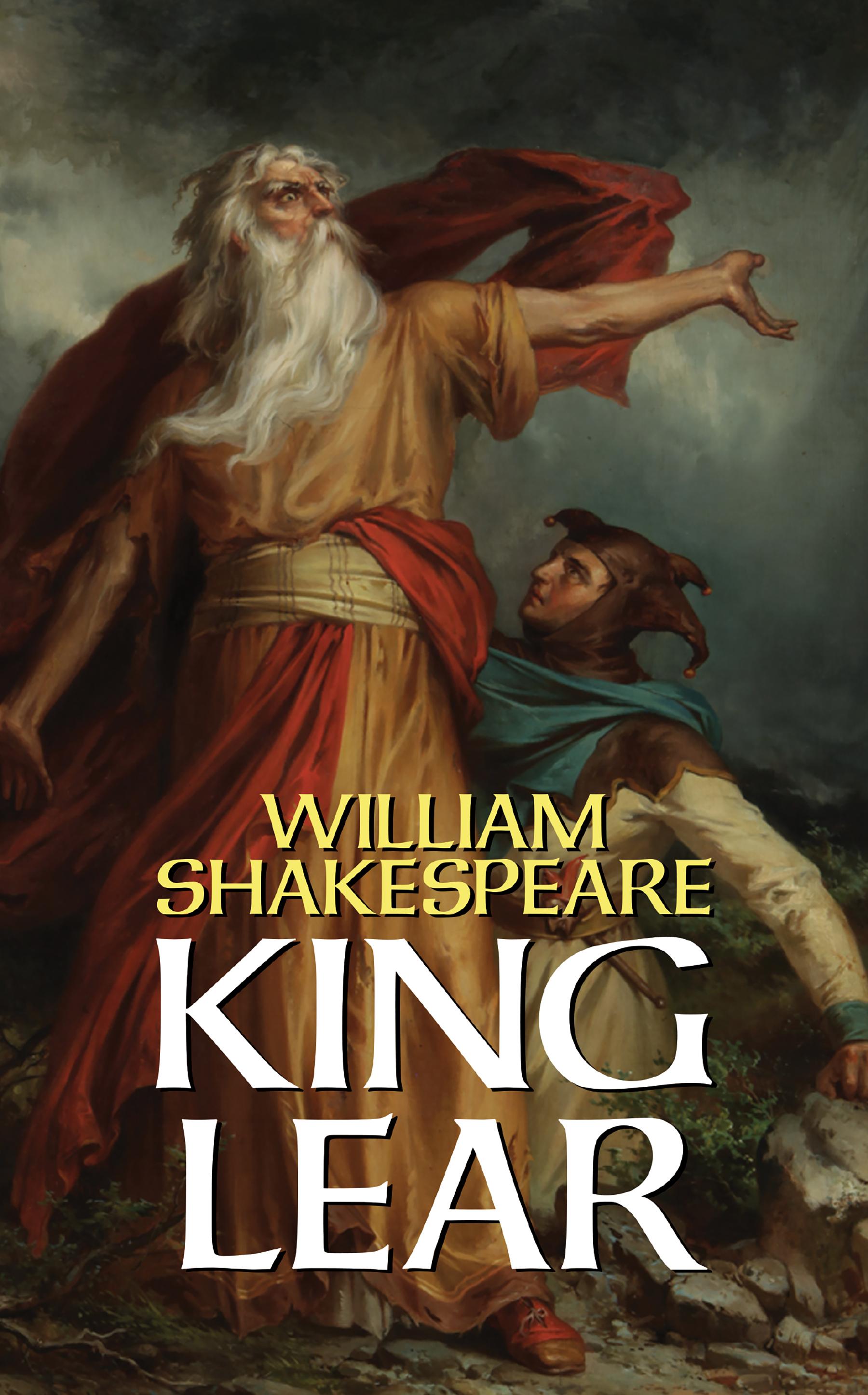
GREED, BETRAYAL, MADNESS
King Lear, first performed around 1805, and thought to have been written between Othello and Macbeth, is one of Shakespeare's greatest tragedies. It is a story of madness and flattery and the struggle for power but above all it is about human suffering, as we watch a monarch who is betrayed by his daughters and robbed of his kingdom descend into madness. It is one of the most relentlessly bleak of Shakespeare's tragedies. The story challenges us with the magnitude, the intensity, and the sheer duration of the pain that it represents.
Lear's themes of ingratitude, injustice, and the meaninglessness of life are explored with unsurpassed power and depth. Greed, treachery, and cruelty are everywhere and the final act of the play is both brutal and heartbreaking. As we see old age portrayed in all its vulnerability, along with pride, and, perhaps, wisdom—it is only one reason that this most devastating of Shakespeare’s tragedies is also perhaps his most moving.
The play has been widely adapted for the stage and motion pictures, with the title role coveted by many of the world's most accomplished actors.
King Lear, first performed around 1805, and thought to have been written between Othello and Macbeth, is one of Shakespeare's greatest tragedies. It is a story of madness and flattery and the struggle for power but above all it is about human suffering, as we watch a monarch who is betrayed by his daughters and robbed of his kingdom descend into madness. It is one of the most relentlessly bleak of Shakespeare's tragedies. The story challenges us with the magnitude, the intensity, and the sheer duration of the pain that it represents.
Lear's themes of ingratitude, injustice, and the meaninglessness of life are explored with unsurpassed power and depth. Greed, treachery, and cruelty are everywhere and the final act of the play is both brutal and heartbreaking. As we see old age portrayed in all its vulnerability, along with pride, and, perhaps, wisdom—it is only one reason that this most devastating of Shakespeare’s tragedies is also perhaps his most moving.
The play has been widely adapted for the stage and motion pictures, with the title role coveted by many of the world's most accomplished actors.
Pay easily by card, Klarna, Apple Pay or Google Pay. Not happy? You always have a 14-day money-back guarantee. Read more in our terms. If you have any questions, email us at hello@memmo.org.
Memmo makes studying easier – wherever you are in the world. We bring your course books and smart study tools together in one place: summaries, quizzes, podcasts and flashcards. Plus Ted, your study buddy who answers anything you wonder. Over 75,000 students already study here – built to help you learn faster and stress less.
You might also like
Buy the book0