
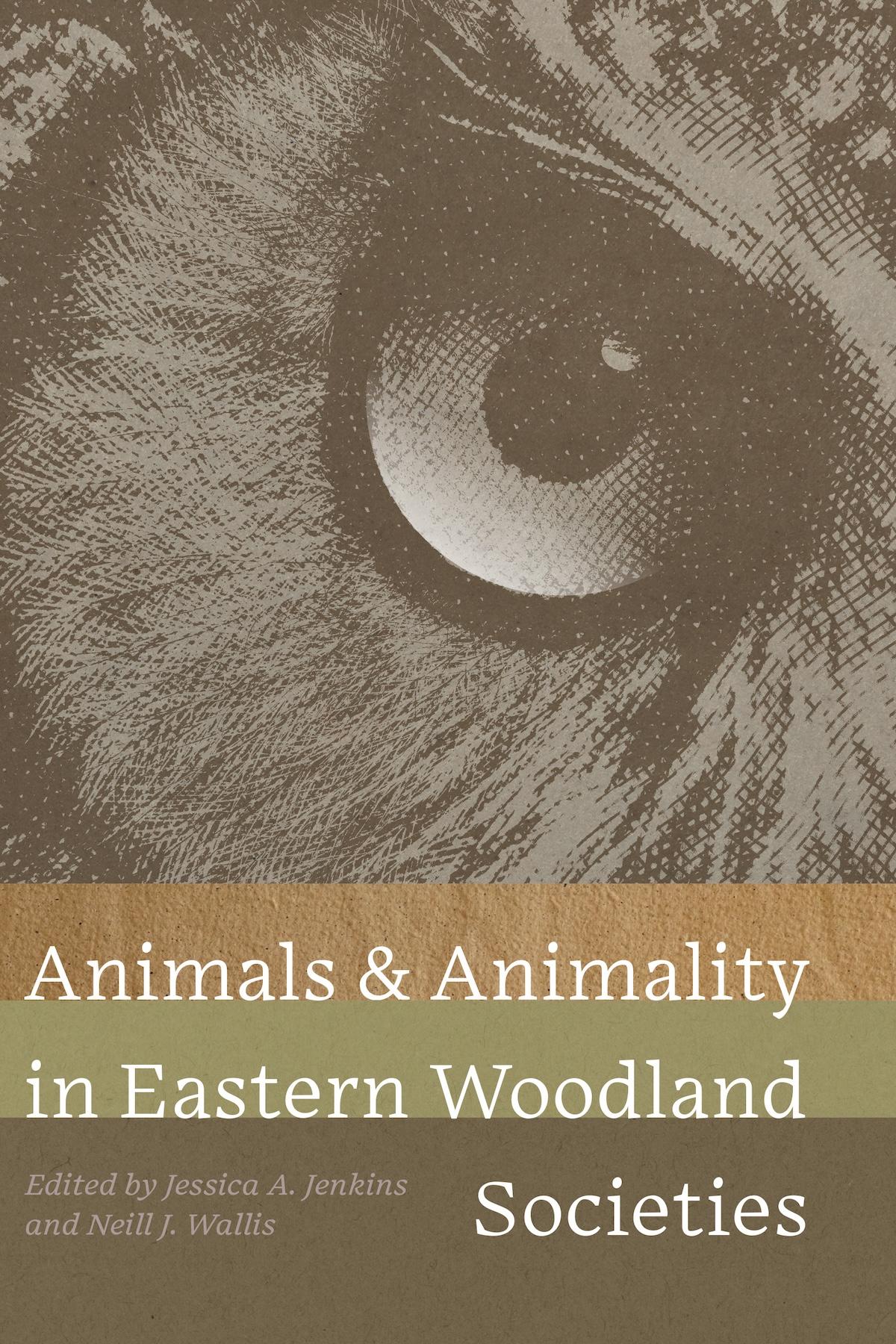
Exploring how humans and animals in the US Southeast interacted to shape social, ritual, and cosmological worlds across thousands of years
Archaeologists often approach the study of animals mainly as evidence of human diet or ecology, but this volume highlights the broader significance of animals across what is now the US Southeast from the Woodland period through the post-contact era. Drawing on archaeological, ethnohistorical, and ethnographic sources, contributors examine how animals shaped human identities, rituals, and social structures as seen in art, oral traditions, daily practices, and ceremonial roles.
In this volume, case studies reveal diverse expressions of human–animal relationships—in Mississippian ceramics, shell reef symbolism, deer antlers used in Powhatan rituals, the protective burial of chickens by enslaved communities, and more. These examples challenge rigid boundaries between human and nonhuman and move beyond traditional Western binaries that position animals as less than humans. This volume engages with non-Western and Indigenous-informed perspectives that recognize animals as cosmologically, politically, and socially significant beings. It explores animality as a dynamic, relational category and contributes to wider debates on materiality, agency, and ontology in archaeology.
Pay easily by card, Klarna, Apple Pay or Google Pay. Not happy? You always have a 14-day money-back guarantee. Read more in our terms. If you have any questions, email us at hello@memmo.org.
Memmo makes studying easier – wherever you are in the world. We bring your course books and smart study tools together in one place: summaries, quizzes, podcasts and flashcards. Plus Ted, your study buddy who answers anything you wonder. Over 75,000 students already study here – built to help you learn faster and stress less.