
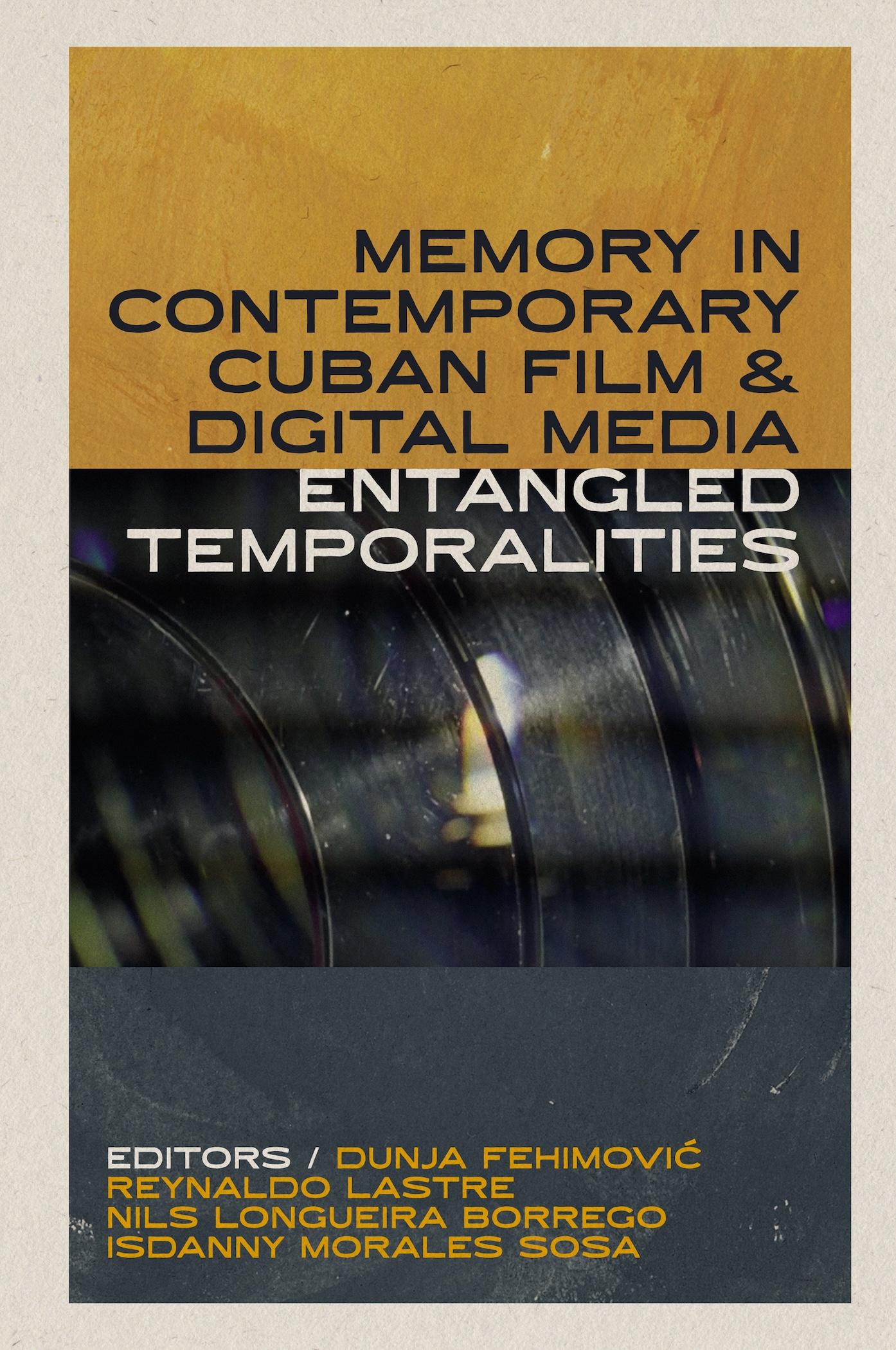
How Cuba’s contemporary mediascape is challenging official histories, recovering memories, and redefining identities
This volume shows how Cuban filmmakers, journalists, and activists use film and other digital media to create competing notions of memory and history that challenge official narratives about Cuban society. In the wake of the economic and ideological crises of Cuba’s Special Period, suppressed political differences and personal experiences have resurfaced in the contemporary mediascape, which has become a principal political arena for Cubans both inside and outside the island.
In this volume, contributors examine topics including how filmmakers use audio to subvert official histories, media representations of sanatoriums and other settings at the margins of the Revolution, and a COVID-era digital archive that preserves personal memories outside government oversight. By tracing the interplay of film, digital technologies, and the internet, contributors reveal how alternative archives and online platforms resist state-sanctioned stories, circulate new materials, and broaden ideas of citizenship, time, and identity. Together, these essays offer fresh perspectives on the complexities of Cuba’s late-socialist context.
Publication of this work made possible by a Sustaining the Humanities through the American Rescue Plan grant from the National Endowment for the Humanities.
Pay easily by card, Klarna, Apple Pay or Google Pay. Not happy? You always have a 14-day money-back guarantee. Read more in our terms. If you have any questions, email us at hello@memmo.org.
Memmo makes studying easier – wherever you are in the world. We bring your course books and smart study tools together in one place: summaries, quizzes, podcasts and flashcards. Plus Ted, your study buddy who answers anything you wonder. Over 50,000 students already study here – built to help you learn faster and stress less.