
Applying social theory and incorporating non-Western perspectives in the interpretation of bioarchaeological research
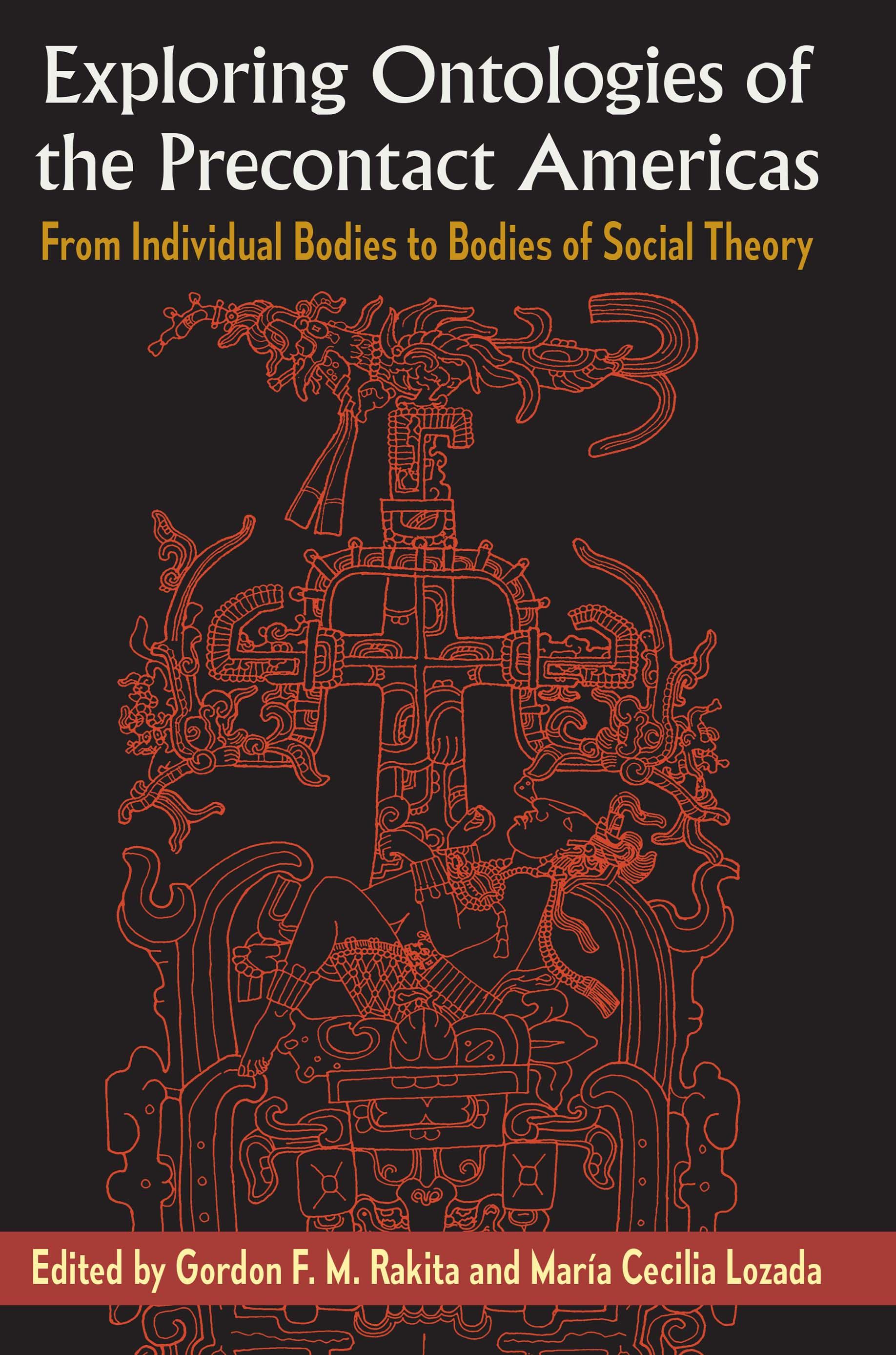
This volume demonstrates how researchers in bioarchaeology and mortuary archaeology can work to better understand concepts of life and death in past societies of the Indigenous Americas. Through case studies that apply the “ontological turn” to human funerary and skeletal remains, contributors set aside Western views of reality, nature, and personhood to explore how people of various cultures understood existence and the human body.
Contributors examine mortuary records from Inuit groups in Labrador and Greenland, Hopewell culture in the Lower Illinois River Valley, and Weeden Island and Puebloan traditions in the United States Southeast and Southwest. They look at the Paquimé community in Mexico, iconography of the Maya civilization, the demographics of Inka populations, and an ancient village on the Amazon River in Brazil. With attention to the viewpoints of these cultures, these essays deconstruct the boundaries between human remains and other interred artifacts, the living and the dead, and other binaries rooted deeply in Western science.
Exploring Ontologies of the Precontact Americas reminds readers that their own ontological perspectives affect how they interpret the past. By considering diverse, non-Western worldviews and engaging with novel social theories of the body, this volume inspires new understandings of precontact societies.
Pay easily by card, Klarna, Apple Pay or Google Pay. Not happy? You always have a 14-day money-back guarantee. Read more in our terms. If you have any questions, email us at hello@memmo.org.
Memmo makes studying easier – wherever you are in the world. We bring your course books and smart study tools together in one place: summaries, quizzes, podcasts and flashcards. Plus Ted, your study buddy who answers anything you wonder. Over 75,000 students already study here – built to help you learn faster and stress less.