
Before Memmo my notes were scattered across PDFs. Now a workspace pulls everything into one place — I see exactly what's still left to study.
New methods for understanding healthcare in past societies
“Provides unique and useful models that demonstrate how inferences can be made about communities of care in samples ranging in size from several dozen to several thousand. Authors weave together diverse lines of evidence—osteological, archaeological, ethnographic, clinical—in their historical and cultural contexts. Sophisticated analytical tools and theoretical frameworks position this book at the cutting edge of bioarchaeological research and illustrate the cultural relativity of care, caregiving, and healthcare in the past and present, and in Western and non-Western contexts.”—Alexis Boutin, coeditor of Remembering the Dead in the Ancient Near East: Recent Contributions from Bioarchaeology and Mortuary Archaeology
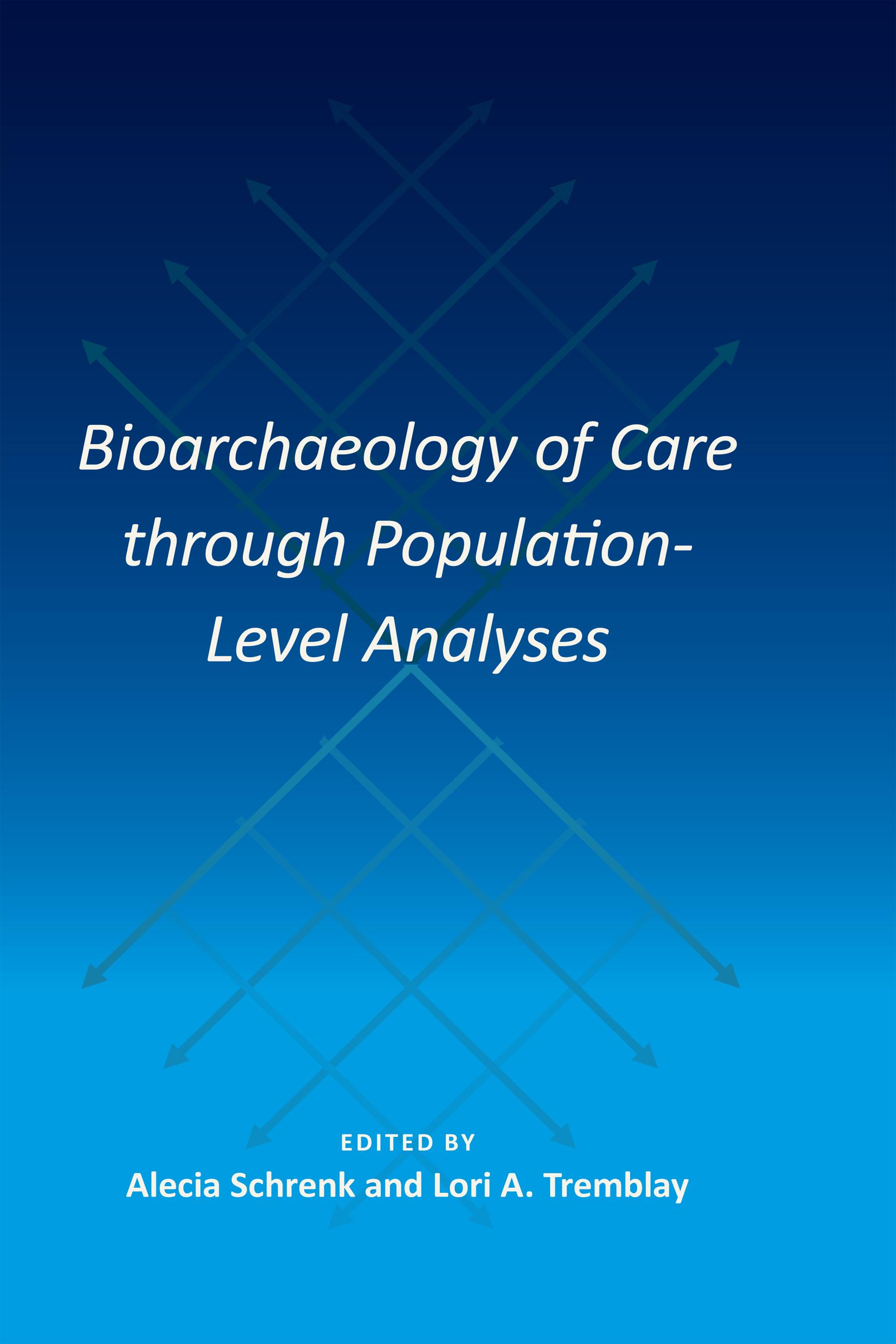
Representing current and emerging methods and theory, this volume introduces new avenues for exploring how prehistoric and historic communities provided health care for their sick, injured, and disabled members. It adjusts and expands the bioarchaeology of care framework—a way of analyzing caregiving in the past designed for individual case studies of human skeletal remains—to detect and examine care at the population level.
Covering a range of time from the Archaic period to the present, contributors discuss community settings including British hospitals and nursing homes, a shell burial mound site in Alabama, and the Mississippi State Asylum. These essays offer insights into the care given to children and those with reduced mobility, the social burden of health care, practices of euthanasia, and the relationship between care for the mentally ill and structural violence.
A necessary extension to our understanding of the complexities of caregiving in the past, Bioarchaeology of Care through Population-Level Analyses shows that it is important to recognize the impact of disease or disability on both the individuals affected and their broader communities. Contributors demonstrate that flexibility in bioarchaeological modeling and methodology can result in robust and nuanced scholarship on caregiving in the past and the societies that provided that care.
A volume in the series Bioarchaeological Interpretations of the Human Past: Local, Regional, and Global Perspectives, edited by Clark Spencer Larsen
Contributors: Petra Banks | Anna-Marie C. Casserly | Briana R. Moore | Anna Osterholtz | Bennjamin J. Penny-Mason | Charlotte A. Roberts | Alecia Schrenk | Diana S. Simpson | Lori A. Tremblay
Before Memmo my notes were scattered across PDFs. Now a workspace pulls everything into one place — I see exactly what's still left to study.
Memmo's summaries are gold before exams. I don't have to re-read 800 pages two weeks before — just the important parts.
The AI chat has saved me the night before an exam more than once. I just keep asking until I get it — no waiting on a study group to reply.
The quizzes hit exactly what I need to know. Memmo tracks what I get stuck on — so I only practice what's worth it.
Flashcards with spaced repetition are magic. Memmo knows when I'm about to forget something and brings it back.
The AI podcasts are my favorite. I listen on my way to school and get a recap without sitting at a computer.
Handbok i kvalitativa metoder
281 kr
Hållbar utveckling: en introduktion för ingenjörer och andra problemlösare
334 kr
Brymans Samhällsvetenskapliga metoder
390 kr
Projektledning
491 kr
Den orättvisa hälsan: om socioekonomiska skillnader i hälsa och livslängd
326 kr
Vetenskapsteori för nybörjare
196 kr
Organizational Leadership
429 kr
På väg mot läraryrket
172 kr
Det sociala livet i skolan: Socialpsykologiska perspektiv
253 kr
Betygsättningens didaktik
151 kr
Personality
402 kr
Studying Leadership
404 kr
Managing Innovation
477 kr
Introduktion till samhällsvetenskaplig metod
347 kr
The Psychology of Sex and Gender
698 kr
Evidens och kunskap för socialt arbete
207 kr
Introduction to Leadership
605 kr