
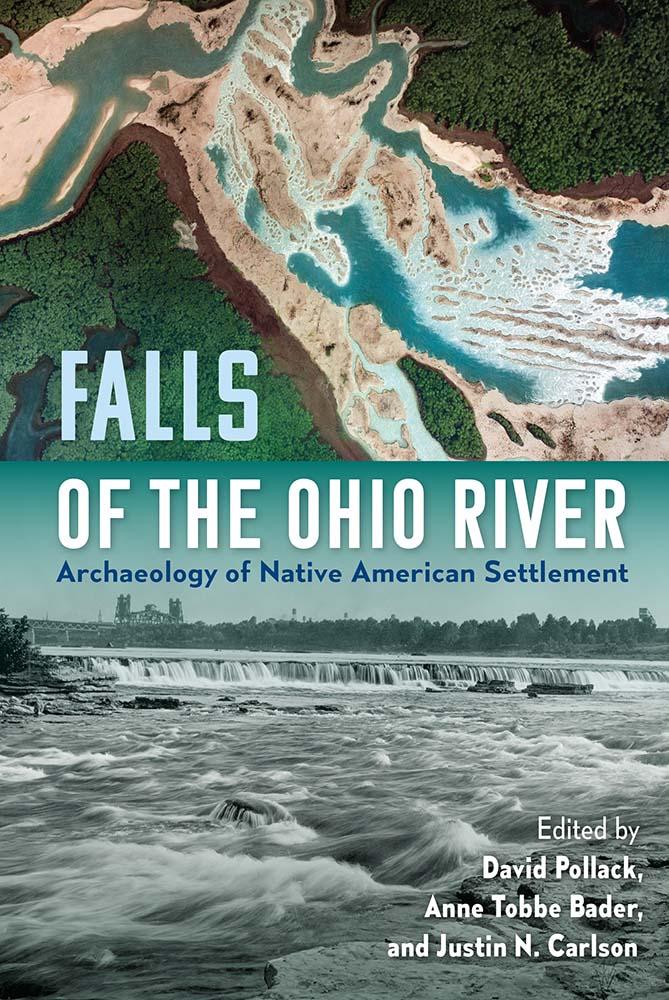
Falls of the Ohio River presents current archaeological research on an important landscape feature: a series of low, cascading rapids along the Ohio River on the border of Kentucky and Indiana. Using the perspective of historical ecology and synthesizing data from recent excavations, contributors to this volume demonstrate how humans and the environment mutually affected each other in the area for the past 12,000 years.
These essays show how the Falls region was an attractive place to live due to its diverse ecological zones and its abundance of high-quality chert. In chronological studies ranging from the Early Archaic to the Late Mississippian periods, contributors portray the rapids as at times a boundary between Native American groups living upstream and downstream and at other times a hub where cultures converged and blended into a distinct local identity. The essays analyze and track changes in stone tool styles, mortuary traditions, settlement patterns, plant consumption, and ceramic production.
Together, the chapters in this volume illustrate that the Falls of the Ohio was a focal point on the human landscape throughout the Holocene era. Providing a foundation for future work in this location, they show how the region’s geography and ecology shaped the ways humans organized themselves within it and how in turn these groups impacted the area through their changing social, economic, and political circumstances.
Pay easily by card, Klarna, Apple Pay or Google Pay. Not happy? You always have a 14-day money-back guarantee. Read more in our terms. If you have any questions, email us at hello@memmo.org.
Memmo makes studying easier – wherever you are in the world. We bring your course books and smart study tools together in one place: summaries, quizzes, podcasts and flashcards. Plus Ted, your study buddy who answers anything you wonder. Over 75,000 students already study here – built to help you learn faster and stress less.