
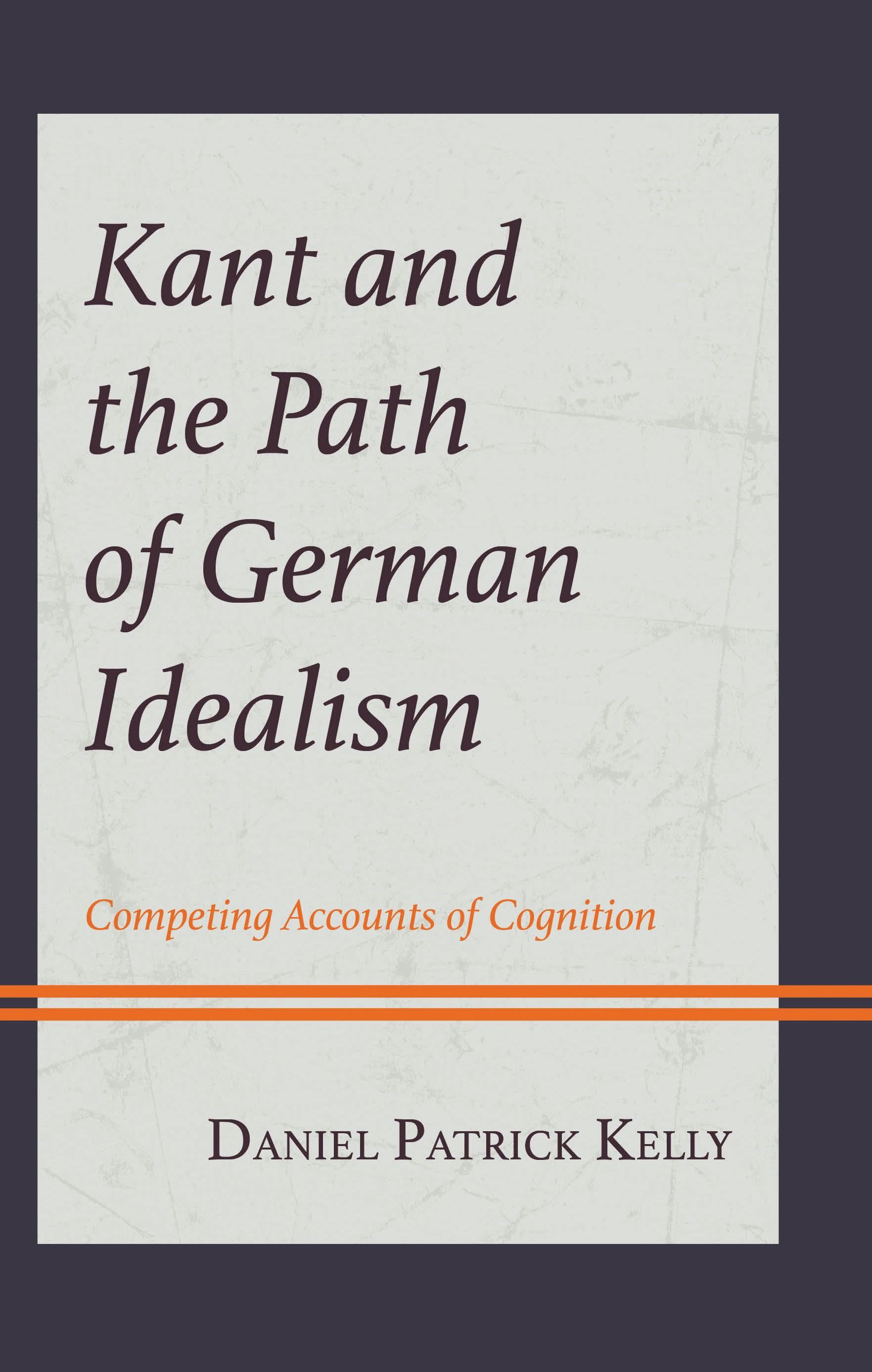
Kant's critical philosophy emerged within a philosophical landscape ripe for change, and it provided an unprecedented blueprint for how to scientifically, ethically, and spiritually reconcile subjective experience within the unique realities of modernity. Nevertheless, Kant's critical system encountered numerous challenges along its path toward influence. Drawing upon key texts from the Golden Age of philosophical scholarship from Kant to Hegel, Kant and the Path of German Idealism illuminates the trajectory of Kant's critical foundation as it was initially received, developed, and ostensibly usurped. What emerges from Daniel Patrick Kelly's reading of this philosophical period is the fundamental centrality of Kant's discursive account of cognition. Kelly contends that the early and steady erosion of the Kantian discursive foundation-which is theoretically central to the strength, integrity, and applicability of the Kantian system-was largely due to persistent Neo-Spinozist developments, misunderstandings of Kant's radical ideas, and the inability of Kant himself to sufficiently defend and further explicate his epistemology. This book also examines the revisionist developments of the immanent systems of Kant's German Idealist successors, presenting their systematic efforts as cautionary tales in their coice to reject Kant's epistemic wisdom.
Pay easily by card, Klarna, Apple Pay or Google Pay. Not happy? You always have a 14-day money-back guarantee. Read more in our terms. If you have any questions, email us at hello@memmo.org.
Memmo makes studying easier – wherever you are in the world. We bring your course books and smart study tools together in one place: summaries, quizzes, podcasts and flashcards. Plus Ted, your study buddy who answers anything you wonder. Over 50,000 students already study here – built to help you learn faster and stress less.