
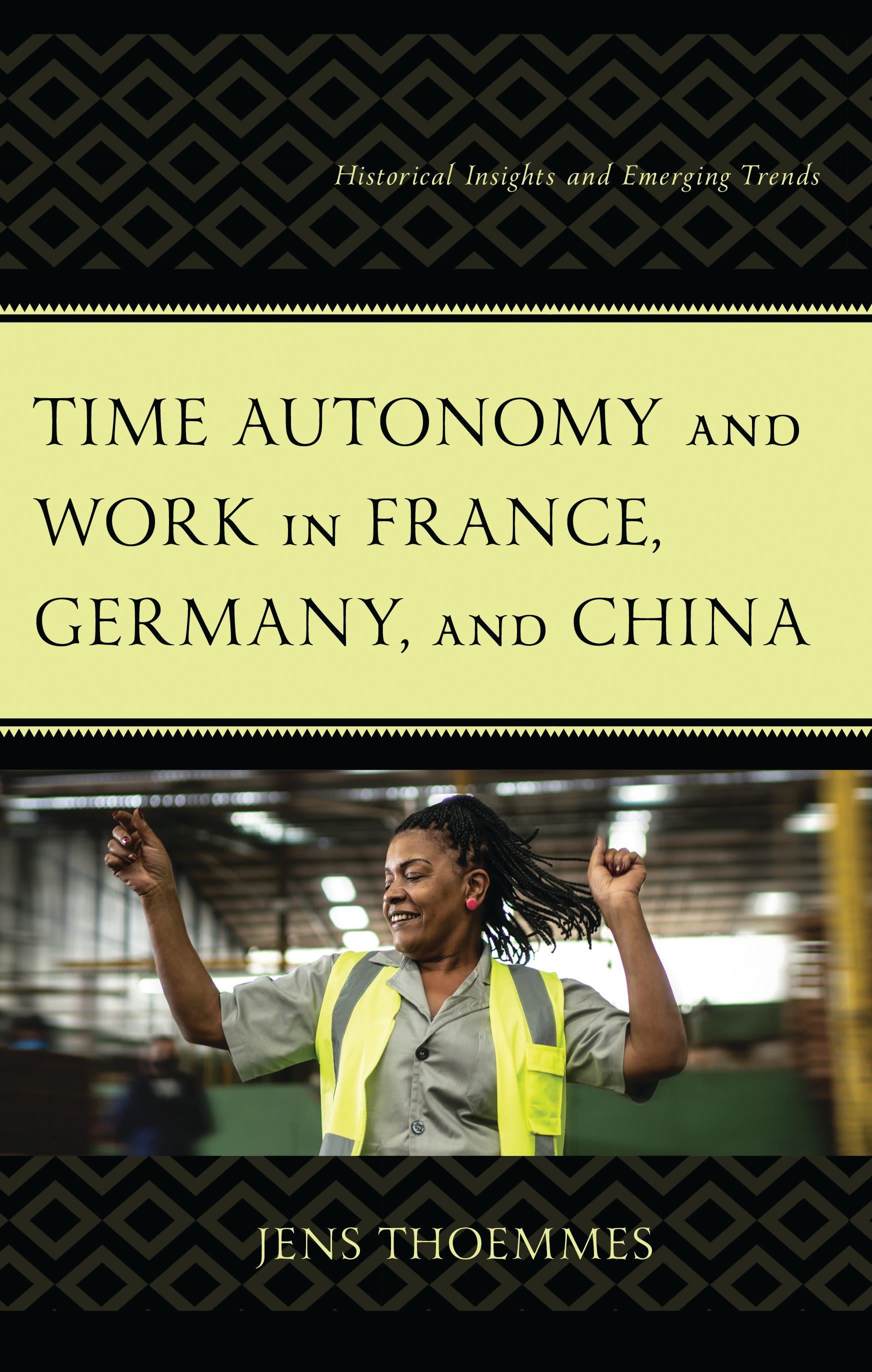
Drawing on case studies from France, Germany, and China, this book argues that the dynamic interactions between time and autonomy have fundamentally reshaped the evolution of work. Jens Thoemmes details how time autonomy transitioned from early efforts to reduce working hours to today’s complex debates about managing work time. Initially focused on reclaiming time from employers during the nineteenth century, time autonomy has broadened to encompass how work integrates into overall social time. Beginning in the late 1960s, new tools like flexitime, time-savings accounts, and telecommuting began aligning employee aspirations with production demands, marking a shift towards more flexible work arrangements. Placing work environments from France, Germany, and China in comparative perspective, this book explores the way time autonomy varies in different workplaces and socioeconomic contexts as well as the conditions, opportunities, and risks involved.
Pay easily by card, Klarna, Apple Pay or Google Pay. Not happy? You always have a 14-day money-back guarantee. Read more in our terms. If you have any questions, email us at hello@memmo.org.
Memmo makes studying easier – wherever you are in the world. We bring your course books and smart study tools together in one place: summaries, quizzes, podcasts and flashcards. Plus Ted, your study buddy who answers anything you wonder. Over 50,000 students already study here – built to help you learn faster and stress less.