
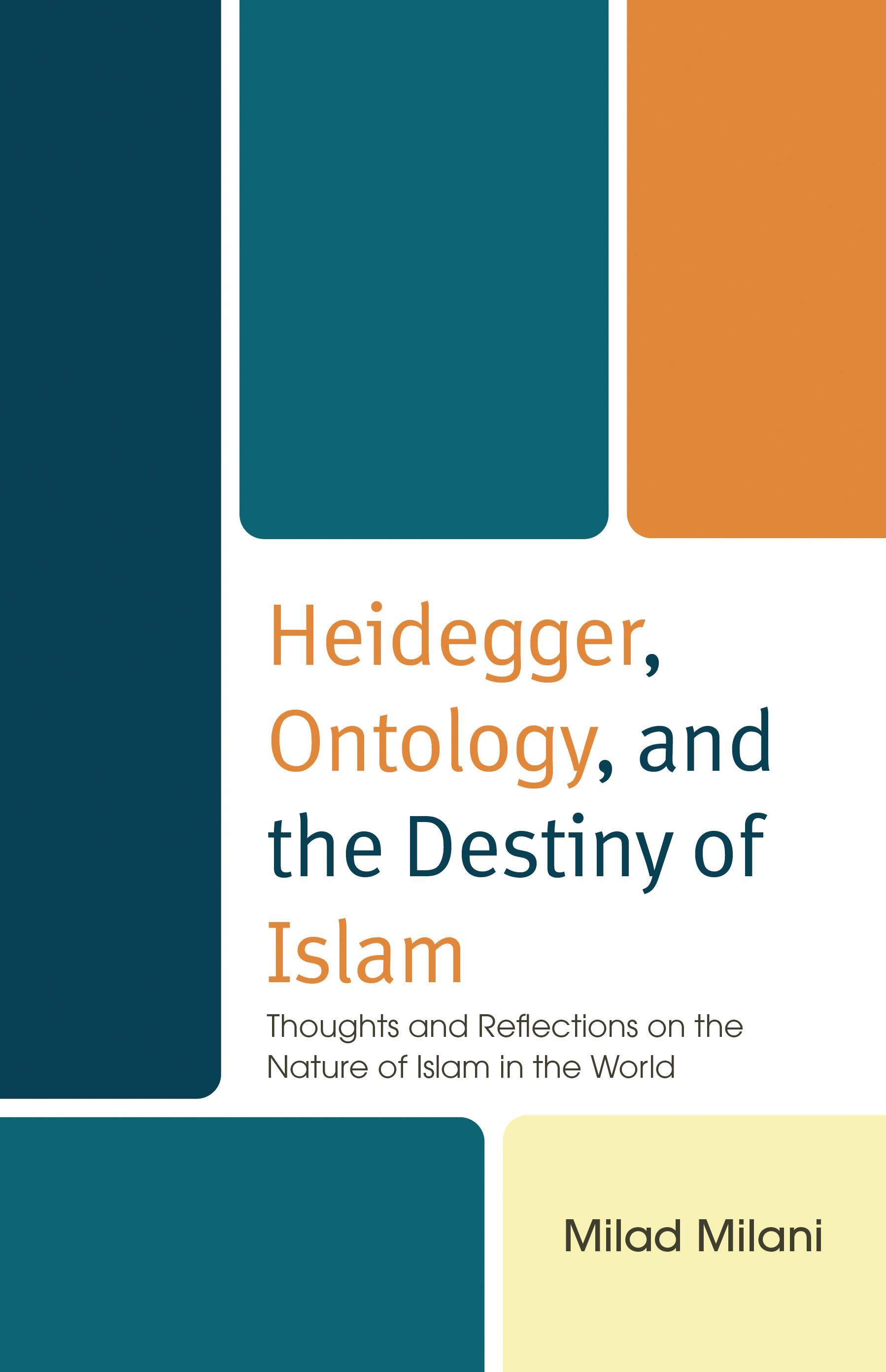
Heidegger, Ontology, and the Destiny of Islam: Thoughts and Reflections on the Nature of Islam in the World critiques Islam as a phenomenon set into motion from its beginning. It is a reflective work that addresses difficult questions about Islam through familiar historical concerns and grapples with the issues that arise in that process. Notably, it attests to making no substantive claims about Muslims and instead keeps to the course of analysis of the phenomenon that is Islam, which is taken as an assessable entity rather than a categorical construct. Understood largely in light of a history of observable realities, the ontological analysis of Islam reveals the general acquaintance with it to be imperfect. This suggests the reality of Islam is based on a primal truth that is only partially seen. The analysis then confronts two problems: firstly, that Islam is not what its historical “story,” as it were, proclaims and, secondly, that Islam is therefore not what is traditionally made out of the surviving historical narratives. It is not a question of “what” Islam is, but more critically, “how” Islam appears in the world.
Pay easily by card, Klarna, Apple Pay or Google Pay. Not happy? You always have a 14-day money-back guarantee. Read more in our terms. If you have any questions, email us at hello@memmo.org.
Memmo makes studying easier – wherever you are in the world. We bring your course books and smart study tools together in one place: summaries, quizzes, podcasts and flashcards. Plus Ted, your study buddy who answers anything you wonder. Over 50,000 students already study here – built to help you learn faster and stress less.