
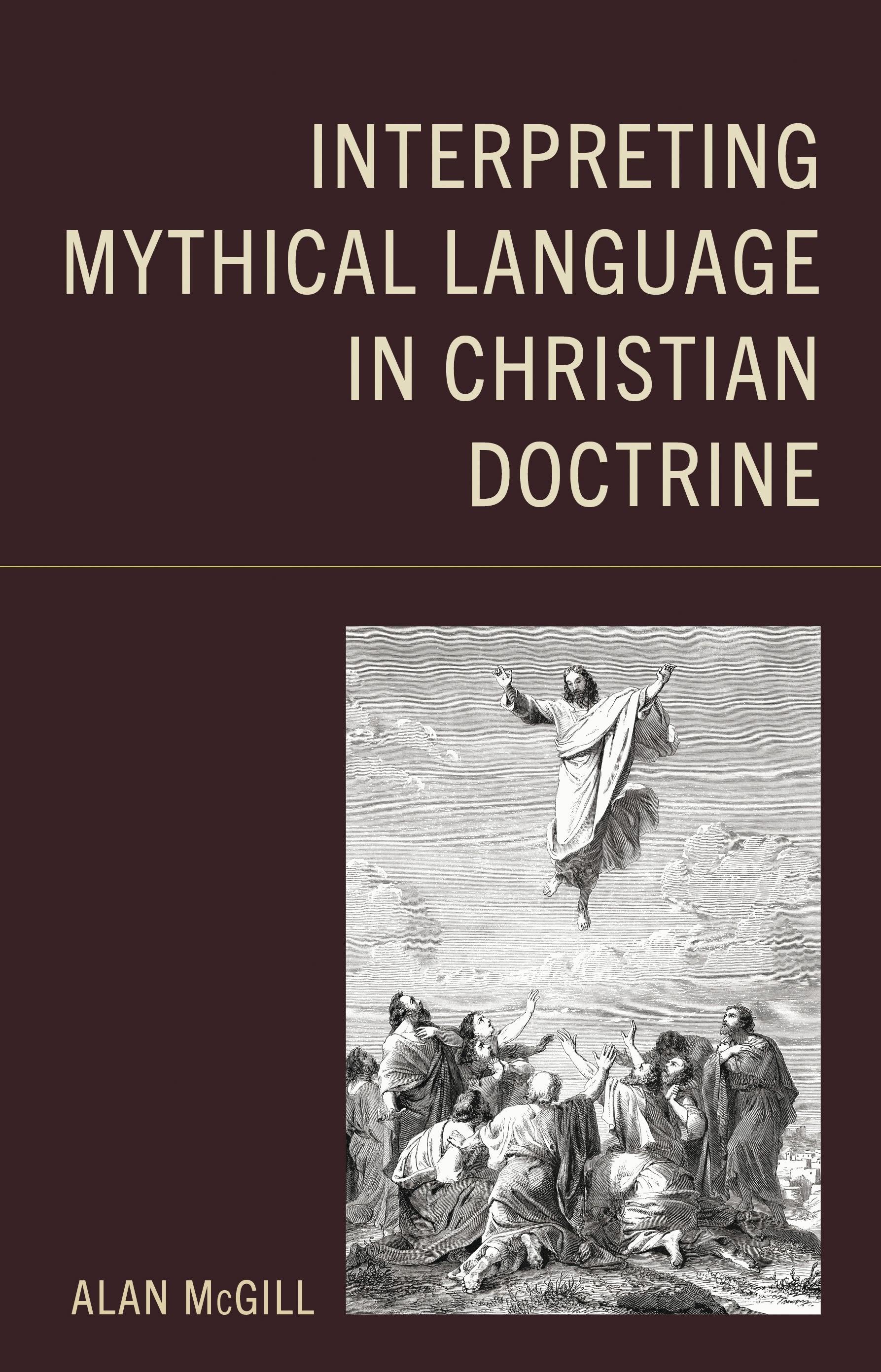
When Christians profess faith in the teaching that Jesus “ascended into heaven” and is “seated at the right hand of the Father”, what do they mean? And what kind of truth is denoted by the narratives of the battle in heaven, the Fall, the Exodus, Annunciation, the theophanies of the gospels, and Second Coming? Some may interpret these literally and ascribe to a model of faith that quite happily runs contrary to reason and life experience. Many, however, recognize that the language in question is symbolic but it is not always apparent as to what is being symbolized and how such symbolism relates to objective truth claims. In response, Interpreting Mythical Language in Christian Doctrine draws upon the insights of thinkers including St. Thomas Aquinas, Paul Ricoeur, and Carl Jung so as to rescue Christian doctrines expressed through mythical language from an unwarranted expectation that they convey historical, ontological, or much less, scientific truth – or equally concerning, an assumption that these symbols relate only to a subjective form of meaning so that no interpretation is wrong. This book endeavors to unleash the true power of myth to engage with mystery and express meaning in a manner that surpasses the capacities of other genres.
Pay easily by card, Klarna, Apple Pay or Google Pay. Not happy? You always have a 14-day money-back guarantee. Read more in our terms. If you have any questions, email us at hello@memmo.org.
Memmo makes studying easier – wherever you are in the world. We bring your course books and smart study tools together in one place: summaries, quizzes, podcasts and flashcards. Plus Ted, your study buddy who answers anything you wonder. Over 50,000 students already study here – built to help you learn faster and stress less.