
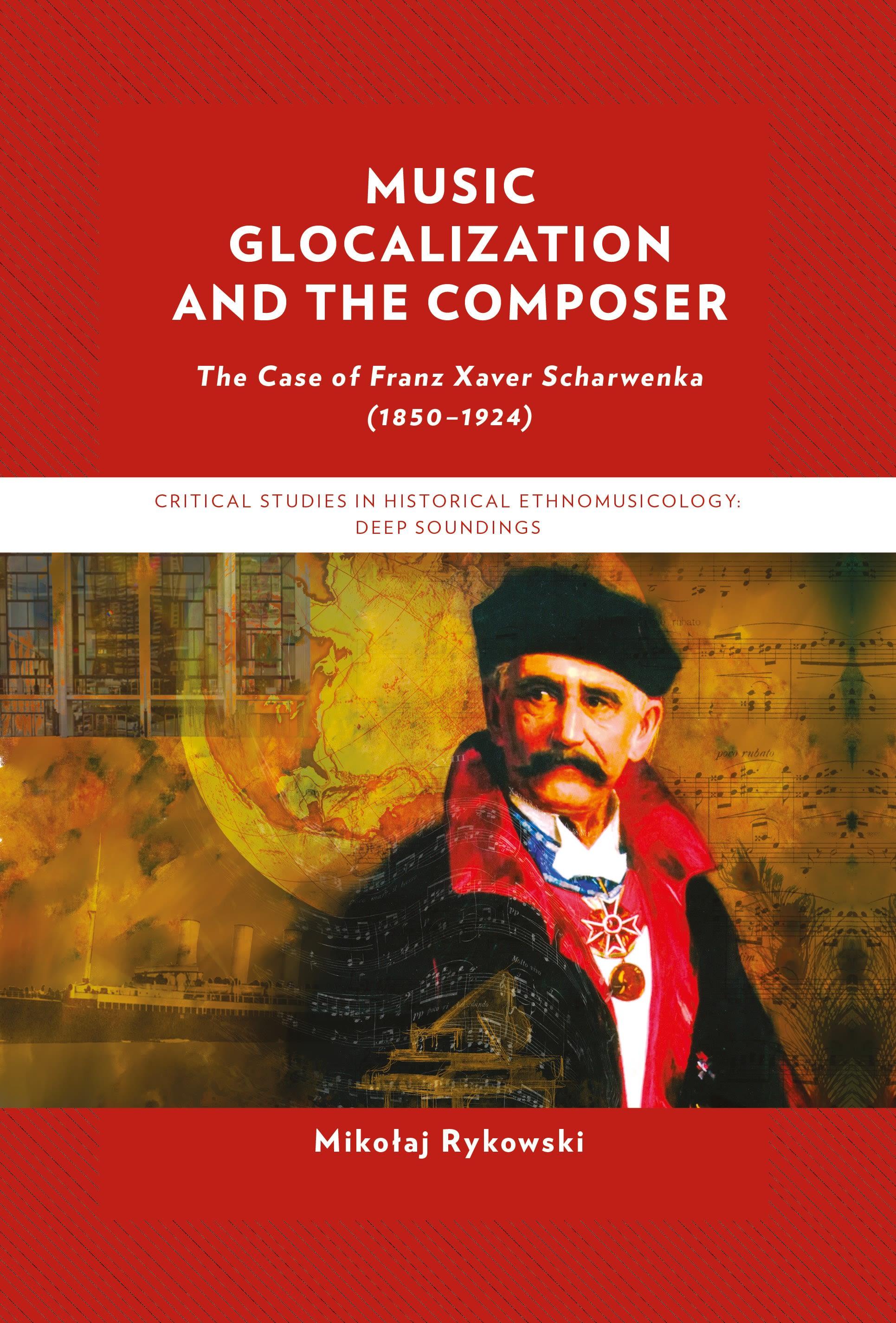
Music Glocalization and the Composer: The Case of Franz Xaver Scharwenka (1850–1924) examines the life, milieu, and music of composer Franz Xaver Scharwenka. Mikolaj Rykowski argues that Scharwenka held the ability to function on a global scale relatively early in music history, founding conservatories in Berlin and New York, becoming one of the first artists to record music using cutting-edge audio technology of his time, namely the Welte-Mignon rolls, and by staging his own opera at The Met. Using a relatively new methodological perspective called music glocalization, Rykowski enables us to explore the composer's cultural roots in Poland and observe how the nineteenth century global sense of nationality influenced his musical output.
Pay easily by card, Klarna, Apple Pay or Google Pay. Not happy? You always have a 14-day money-back guarantee. Read more in our terms. If you have any questions, email us at hello@memmo.org.
Memmo makes studying easier – wherever you are in the world. We bring your course books and smart study tools together in one place: summaries, quizzes, podcasts and flashcards. Plus Ted, your study buddy who answers anything you wonder. Over 50,000 students already study here – built to help you learn faster and stress less.