
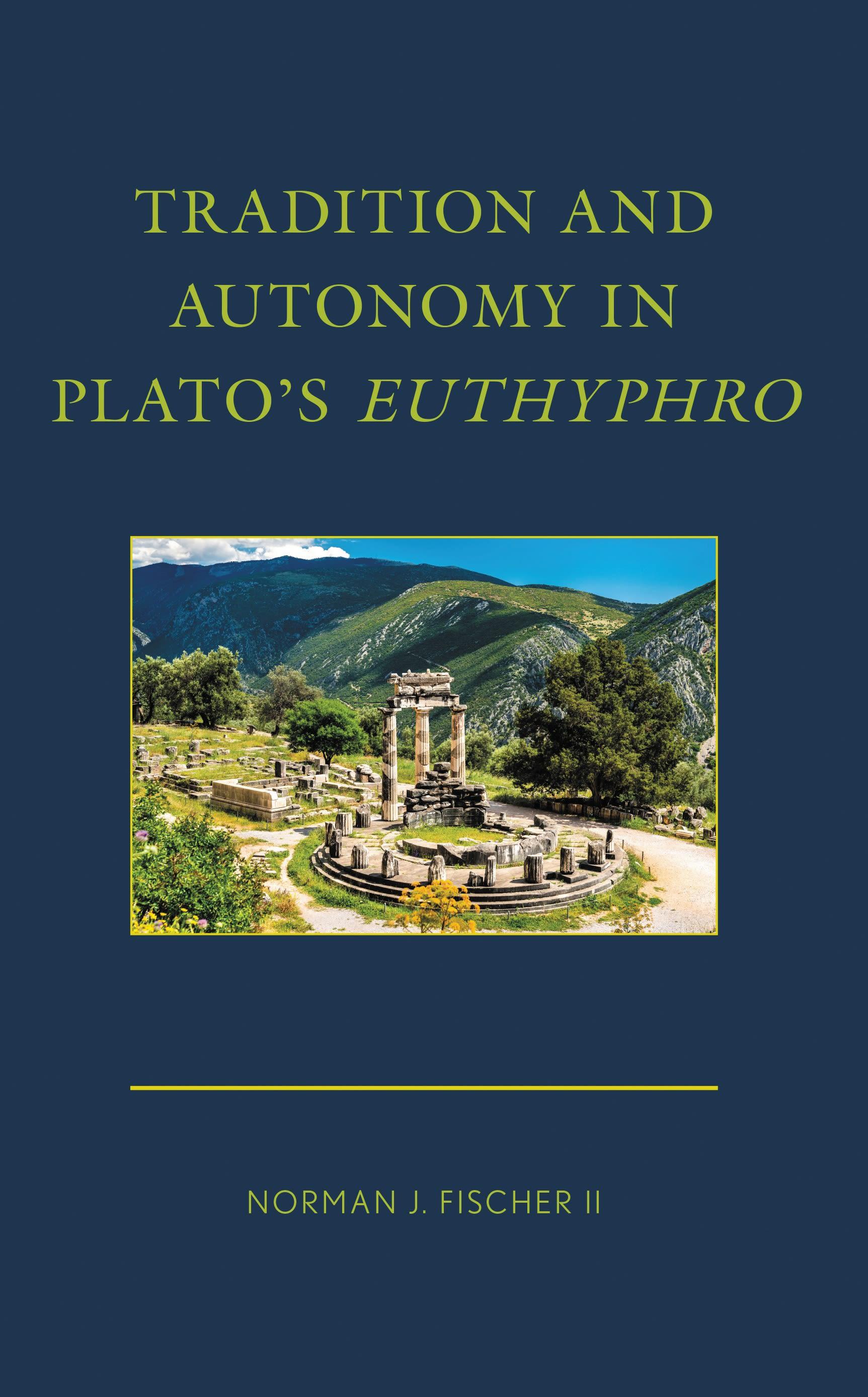
Tradition and Autonomy in Plato’s Euthyphro shows, through detailed commentary, that the purported opposition between tradition and autonomy is not a contradiction, but rather a necessary tension in human and political life. Norman J. Fischer II identifies the root of this tension and illuminates its various dimensions, giving an account of tradition and piety that does justice to the autonomy implicit in philosophical inquiry. This book demonstrates that the weakness in Euthyphro’s understanding of the relationship between generations is one of enmity and argues for a friendlier version of piety implicit in Socrates’ suggestions, actions, and arguments in the dialogue. Fischer argues that this version reveals an understanding of the human soul that both opposes that of Socrates’ accusers and sheds light upon the challenge that philosophy poses to the political community. In this reading, Plato’s Euthyphro is part of the defense of Socrates against the charges of impiety and corruption, one that puts into clearer relief both the common grounds of politics and philosophy and the tensions between political life and the life of the mind.
Pay easily by card, Klarna, Apple Pay or Google Pay. Not happy? You always have a 14-day money-back guarantee. Read more in our terms. If you have any questions, email us at hello@memmo.org.
Memmo makes studying easier – wherever you are in the world. We bring your course books and smart study tools together in one place: summaries, quizzes, podcasts and flashcards. Plus Ted, your study buddy who answers anything you wonder. Over 50,000 students already study here – built to help you learn faster and stress less.