
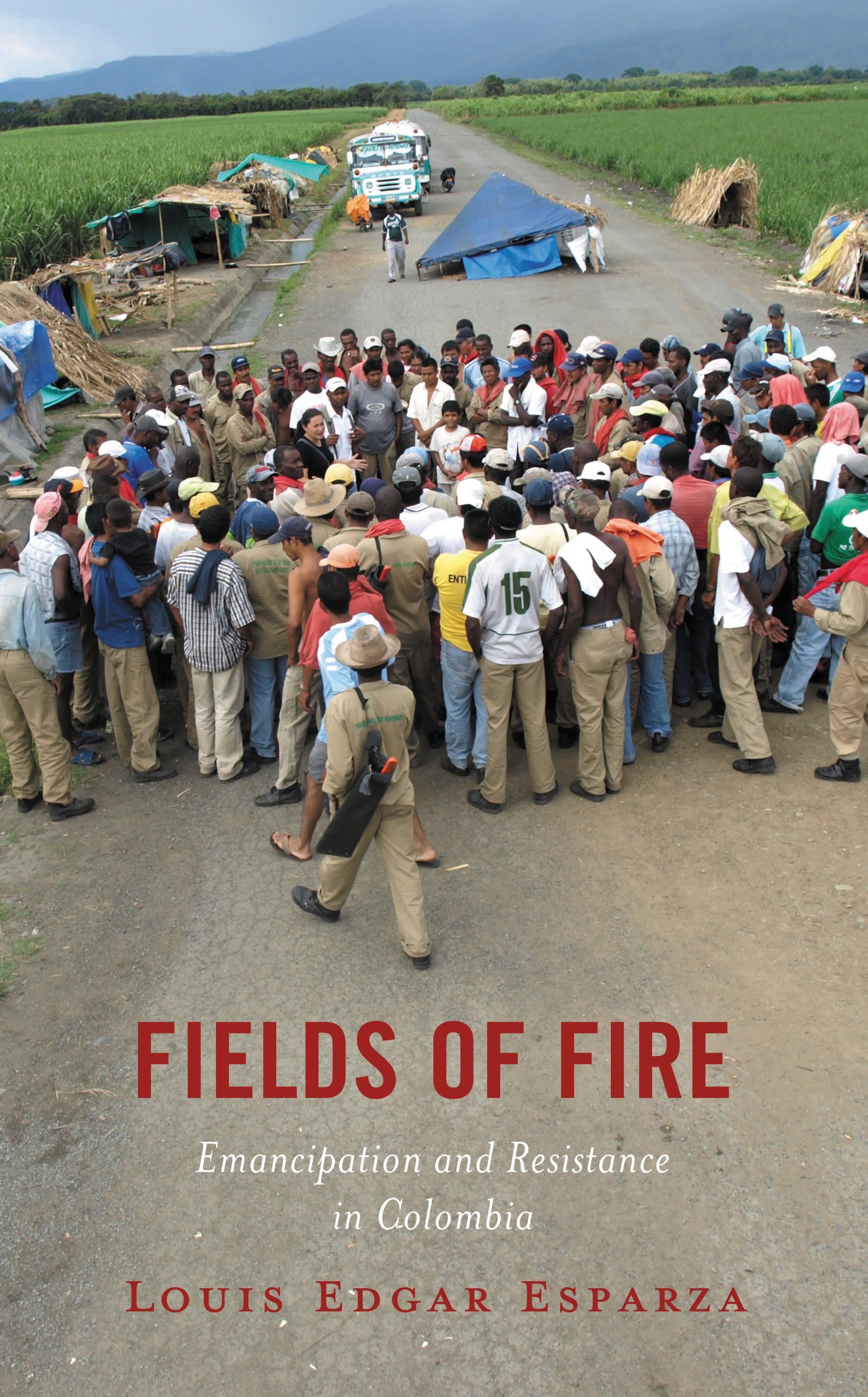
Fields of Fire: Emancipation and Resistance in Colombia identifies the concept of the emancipatory network as a coordination of loose, discrete, and differentiated actors to explain how activists successfully practice high-risk activism. Illustrating that previous studies on high-risk activism come to contradictory conclusions, Louis Edgar Esparza argues that networks rather than individual characteristics are associated with mobilization. The book features unique ethnographic material of a Colombian sugarcane worker strike and includes interviews with workers and human rights activists in Valle del Cauca and Bogotá that reveal different forms of knowledge that activists bring to a social movement. It argues that the combination of these different forms of knowledge bolsters the movement’s resiliency in the face of repression. The book provides a counterfactual chapter, illustrating a lack of mobilization where the emancipatory network is absent. Ultimately, it integrates English and Spanish-language social movement literatures, revealing important theoretical insights, and is detailed with data from various sources to outline the state context of social movement action.
Pay easily by card, Klarna, Apple Pay or Google Pay. Not happy? You always have a 14-day money-back guarantee. Read more in our terms. If you have any questions, email us at hello@memmo.org.
Memmo makes studying easier – wherever you are in the world. We bring your course books and smart study tools together in one place: summaries, quizzes, podcasts and flashcards. Plus Ted, your study buddy who answers anything you wonder. Over 50,000 students already study here – built to help you learn faster and stress less.