
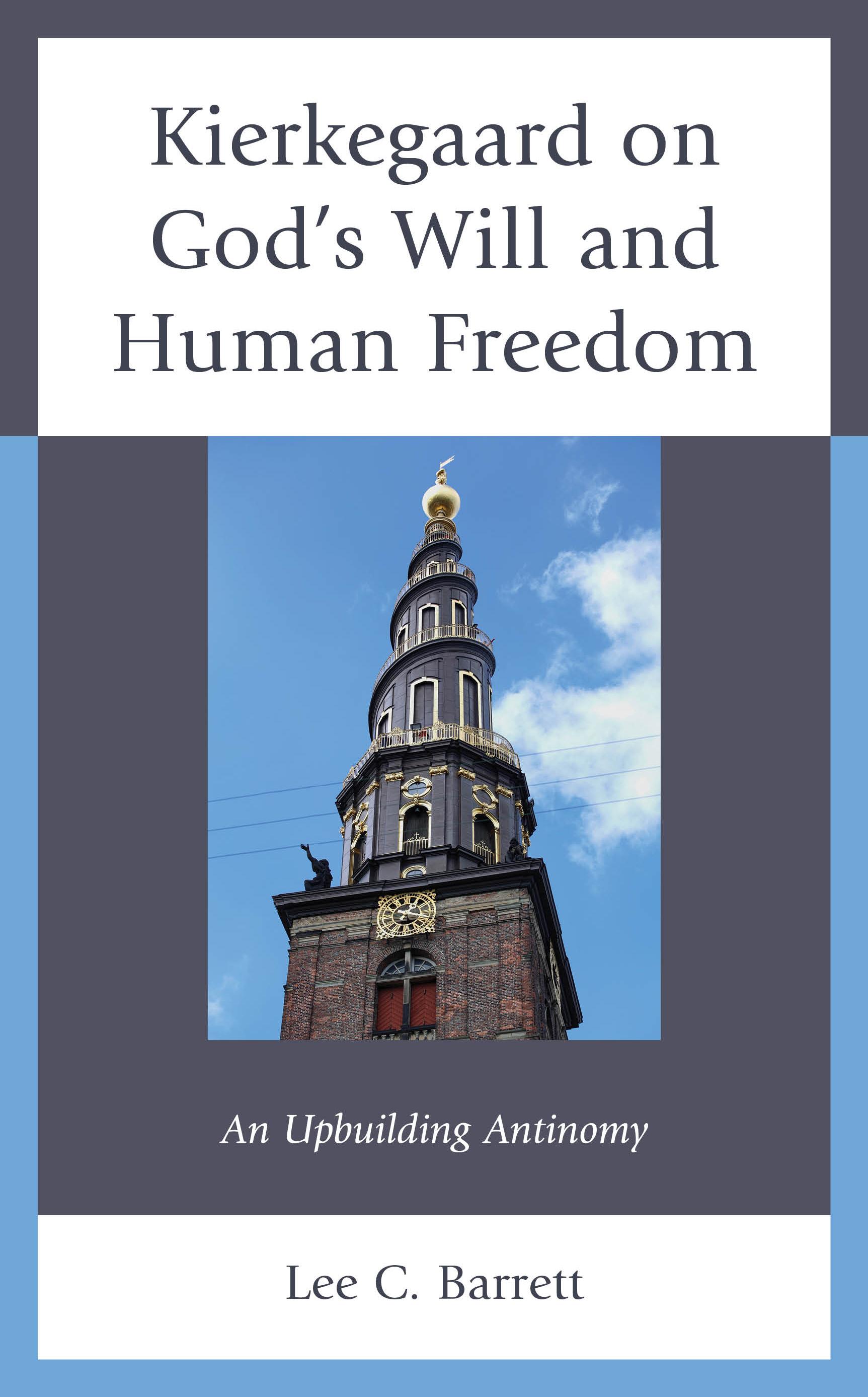
Søren Kierkegaard's authorship exhibits two different trajectories concerning the relation of responsible human agency to sovereign divine agency: one trajectory stresses free human striving, while the other trajectory emphasizes the dominance of divine agency. The first theme led to the view of Kierkegaard as the champion of autonomous existential “leaps,” while the second led to the construal of Kierkegaard as a devout Lutheran who trusted absolutely in God's gracious governance. Lee C. Barrett argues that Kierkegaard, influenced by Kant's critique of metaphysics, did not attempt to integrate human and divine agencies in any speculative theory. Instead, Kierkegaard deploys them to encourage different passions and dispositions that can be integrated in a coherent human life, making use of literary strategies to foster the different passions and dispositions that are associated with the themes of human responsibility and divine governance. Kierkegaard on God's Will and Human Freedom: An Upbuilding Antinomy offers an incisive account of what makes Kierkegaard's conception of theology as a matter of edification rather than speculation so distinctive and enduringly worthwhile.
Pay easily by card, Klarna, Apple Pay or Google Pay. Not happy? You always have a 14-day money-back guarantee. Read more in our terms. If you have any questions, email us at hello@memmo.org.
Memmo makes studying easier – wherever you are in the world. We bring your course books and smart study tools together in one place: summaries, quizzes, podcasts and flashcards. Plus Ted, your study buddy who answers anything you wonder. Over 50,000 students already study here – built to help you learn faster and stress less.