
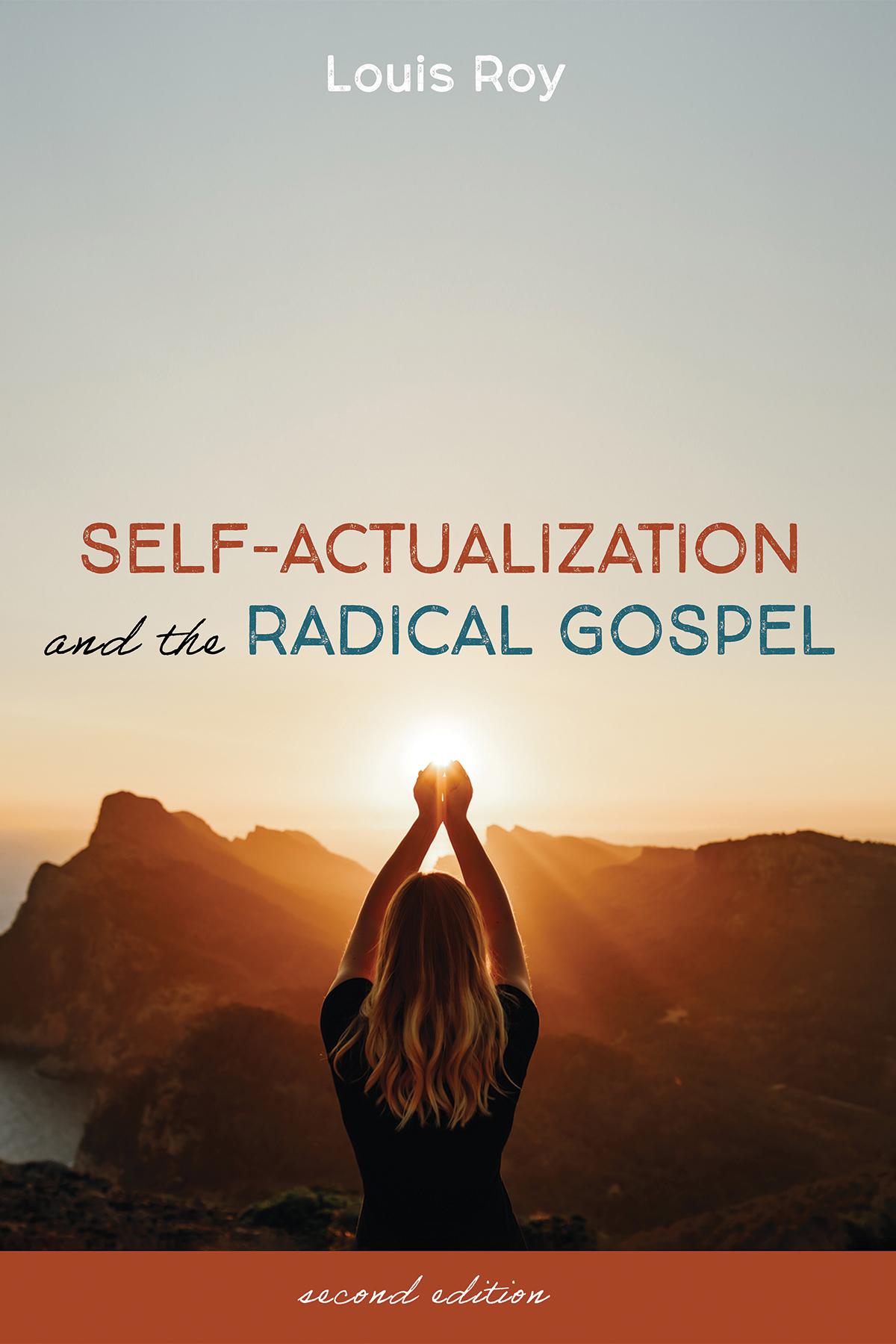
Can today's Christians reconcile a belief in self-actualization with the extreme ethical demands of the New Testament? The author argues that they can, although not easily, and that the felt uneasiness between two concerns--self-fulfillment and self-gift--may generate a healthy tension.
There is then an apparent mismatch between two views of ethics. On the one hand, psychological humanism is based on self-affirmation, acceptance of one's limitations, moderation, and the search for a quality of life in the midst of globalization. On the other hand, the radicalism of the gospel emphasizes passion (in the two senses of this word), self-transcendence towards the infinite, and generosity for God and others. Nonetheless, these two tendencies are neither incompatible nor easily reconcilable.
The book uncovers both the pitfalls of self-actualization and the misleading interpretations that have disfigured the radical gospel. It highlights the developmental factors, views of human life, successes, and failures which play a considerable role in a person's journey. It brings psychological, biblical, philosophical, theological, and pastoral clarifications to bear on the issues. This book will help its readers to grasp what a psychologically informed Christian ethic can be, both intellectually and practically.
Pages: 128
Category: Religion & Teologi
e-ISBN: 9781666794403
Shipping weight: 1.2 kg
Ships in: 1-2 days
Pay easily by card, Klarna, Apple Pay or Google Pay. Not happy? You always have a 14-day money-back guarantee. Read more in our terms. If you have any questions, email us at hello@memmo.org.
Memmo makes studying easier – wherever you are in the world. We bring your course books and smart study tools together in one place: summaries, quizzes, podcasts and flashcards. Plus Ted, your study buddy who answers anything you wonder. Over 50,000 students already study here – built to help you learn faster and stress less.
You might also like
Buy the book0