
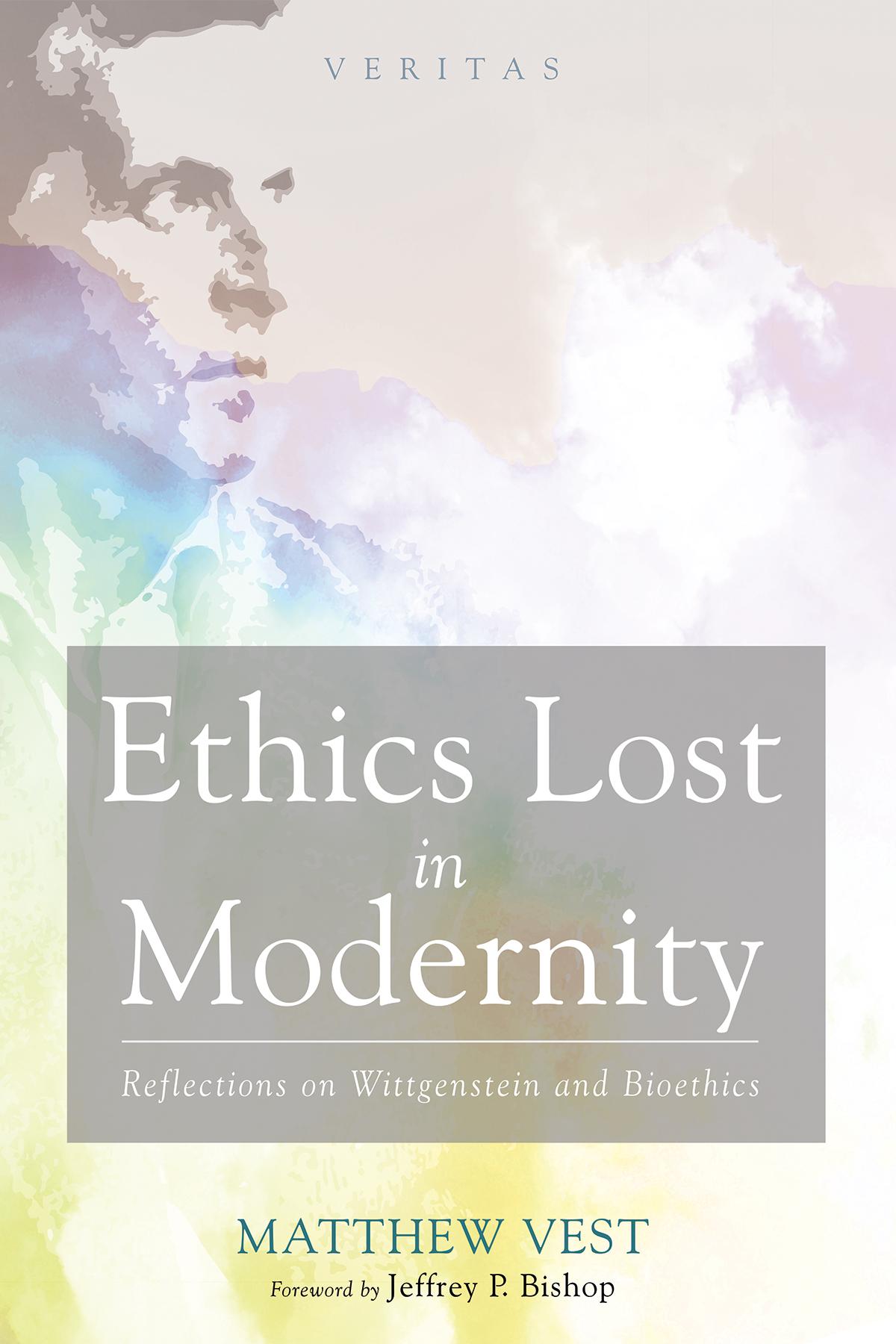
Ethics Lost in Modernity: Reflections on Wittgenstein and Bioethics turns to the philosopher Ludwig Wittgenstein as a guide to understand the immense success--yet great danger--of bioethics. Matthew Vest traces the story of bioethics since its inception in the late 1960s as a way to uncover a number of hidden assumptions within modern ethics that relies upon scientific theorizing as the fundamental way of thinking. Autonomy and utilitarianism, in particular, are two nearly unquestioned goals of scientific theorizing that are easily accessible, but at what cost? Vest argues that such an ethics enacts a thin moral calculation that runs the risk of enslaving ethics to scientism. Far from the depth of religious ethos and practices of virtue, modern ethics is lost amidst thin ethical theories, enacting a language game that instrumentalizes ethics in service of technological, bureaucratic, and professional end goals. He proposes that true moral living is far from anti-science, but rather is envisioned best when ethics and science are balanced with keen insights from ancient sacred cosmology.
Pay easily by card, Klarna, Apple Pay or Google Pay. Not happy? You always have a 14-day money-back guarantee. Read more in our terms. If you have any questions, email us at hello@memmo.org.
Memmo makes studying easier – wherever you are in the world. We bring your course books and smart study tools together in one place: summaries, quizzes, podcasts and flashcards. Plus Ted, your study buddy who answers anything you wonder. Over 50,000 students already study here – built to help you learn faster and stress less.
You might also like
Buy the book0