
"A masterpiece of seminal, meticulous, and groundbreaking scholarship."—Midwest Book Review
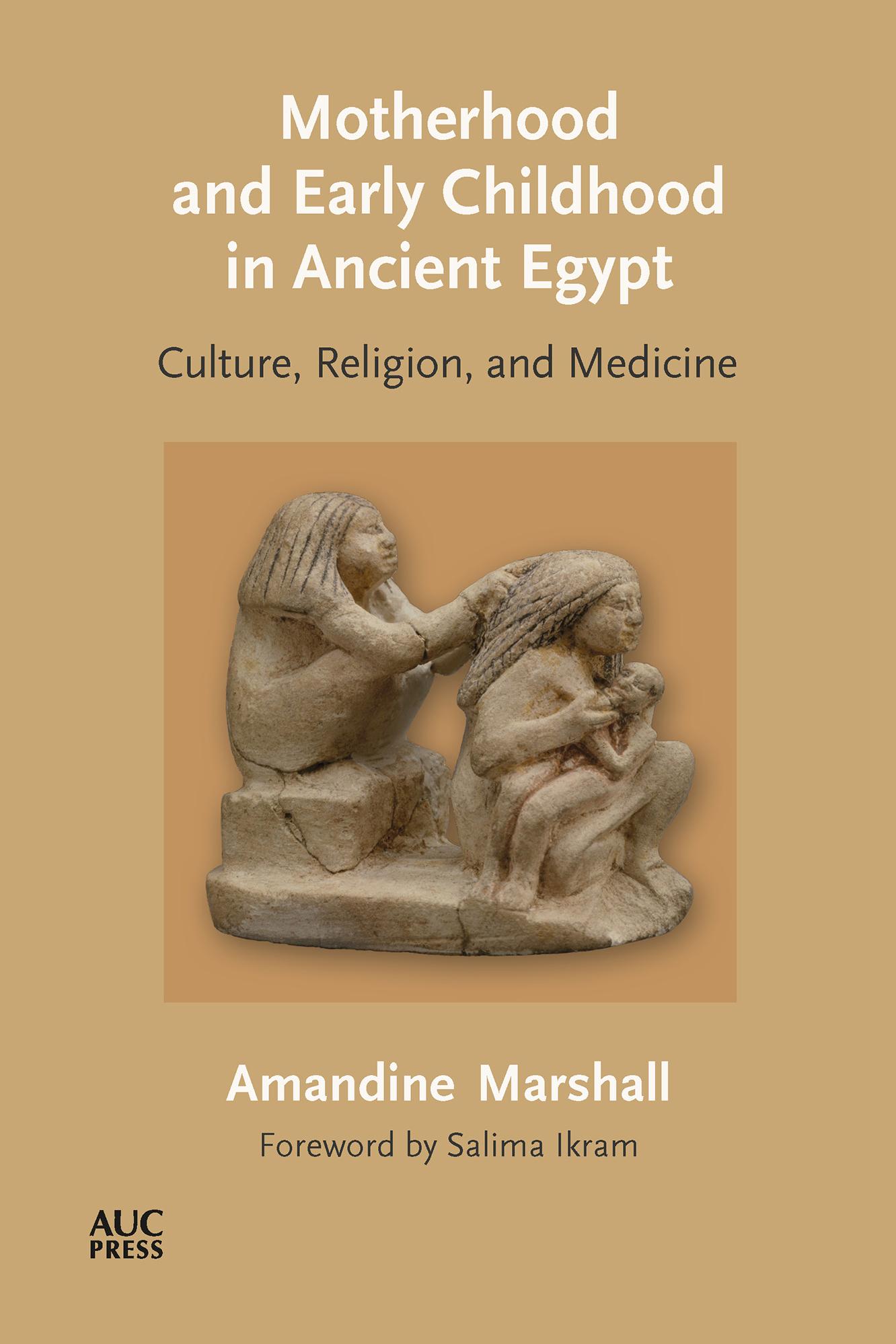
A richly nuanced analysis of how ancient Egyptian society regarded and dealt with pregnancy, mothers, birth, and children
In ancient Egypt, a woman’s primary role was that of mother, and as such she ensured her place within both her household and her community. And so, gods, doctor-magicians, as well as ghosts were all called upon to help the woman become pregnant.
Pregnancy was not without risks, and the many tests, prescriptions, and spells that have survived to this day help us to understand obstetrics as it was practiced in those distant times. Once the woman had eluded the ill will of Seth—who was held responsible for miscarriages—and had reached her term, she was faced with the much awaited and yet also feared moment of birth. The successful delivery of a child into the world was seen as a gift of the gods, but it did not mean that the parent’s worries were over. Indeed, it has been estimated that a third of all children did not reach the age of five years despite the combined efforts of parents and doctor-magicians to protect them.
Amandine Marshall draws upon a wealth of sources, including texts, images, iconography, artefacts, and children’s bodies themselves, as well as medicine, anthropology, and ethnography, to examine these issues and more, and in doing so sheds unprecedented light on the experience of maternity and early childhood in ancient Egypt.
Pay easily by card, Klarna, Apple Pay or Google Pay. Not happy? You always have a 14-day money-back guarantee. Read more in our terms. If you have any questions, email us at hello@memmo.org.
Memmo makes studying easier – wherever you are in the world. We bring your course books and smart study tools together in one place: summaries, quizzes, podcasts and flashcards. Plus Ted, your study buddy who answers anything you wonder. Over 75,000 students already study here – built to help you learn faster and stress less.