
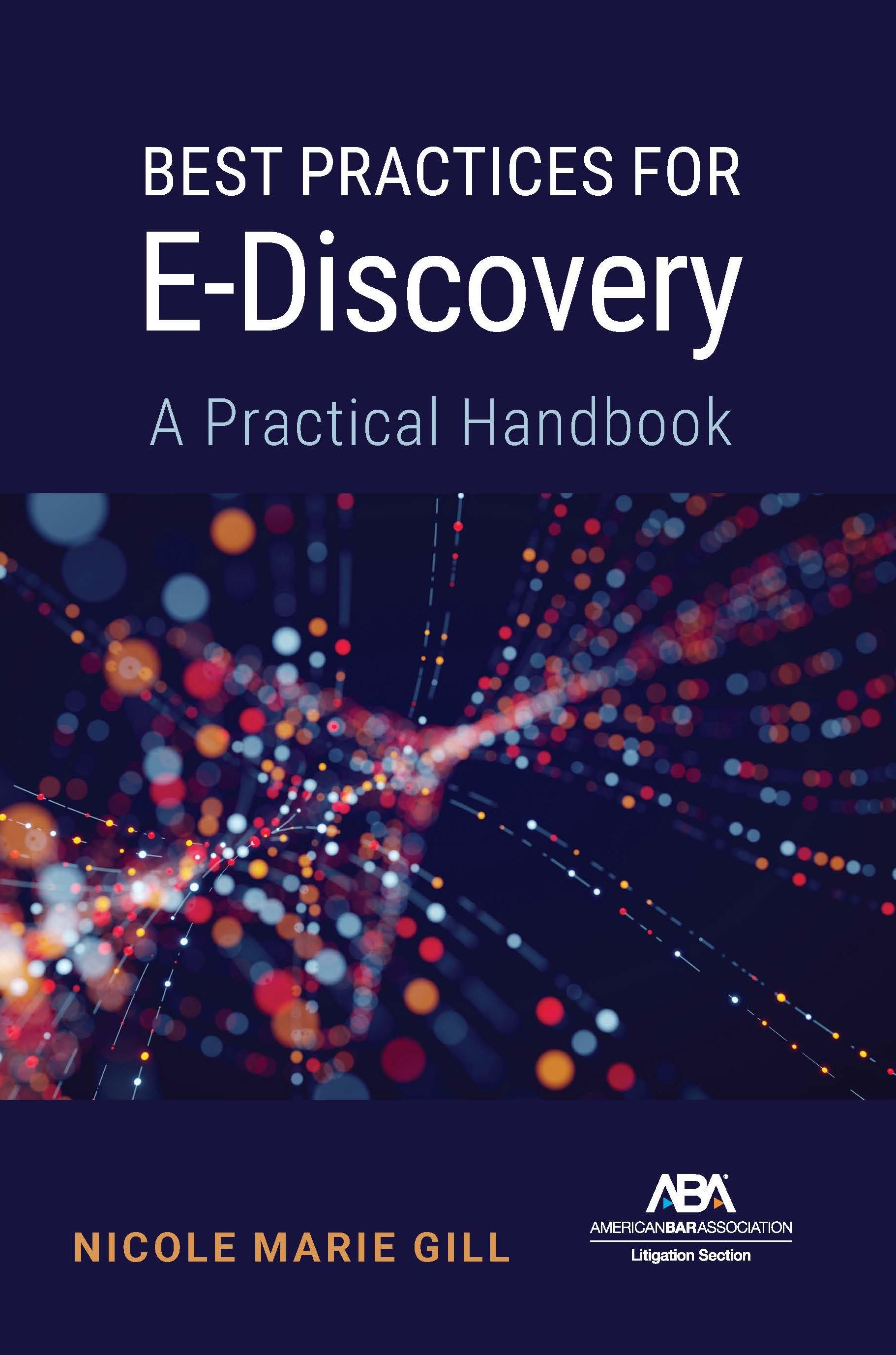
In today’s digital age, the landscape of legal discovery has evolved dramatically. The proliferation of electronic data has transformed the way legal professionals approach the discovery process, making it both a challenge and an opportunity. Best Practices for E-Discovery: A Practical Handbook is designed to be an essential guide for practitioners navigating the complexities of e-discovery.
The purpose of this handbook is to demystify the e-discovery process and offer practical insights that can be applied in real-world scenarios. Whether you are a seasoned attorney, a paralegal, or a legal IT specialist, this book will serve as a valuable resource, offering best practices, tips, and strategies to streamline your e-discovery efforts. By following the guidance provided in this handbook, practitioners will be able to manage electronic evidence with confidence, reduce risks, and improve outcomes in their cases.
This handbook is structured to walk you through the entire e-discovery process, from initial planning to final production. Each chapter focuses on a specific aspect of e-discovery. Here is a general breakdown of what is covered:
- Know the Landscape: An overview of the rules and regulations that govern the discovery process, helping you understand the legal framework within which e-discovery operates.
- Keeping Your Data House in Order: Guidance on maintaining an organized and efficient data management system to facilitate the e-discovery process.
- Initial Considerations: Key factors to consider at the outset of an e-discovery project, including scope, objectives, and stakeholder involvement.
- Identifying the Data: Best practices for identifying relevant electronically stored information (ESI) that may be subject to discovery.
- Preserving the Data: Techniques for preserving ESI to ensure it remains intact and accessible throughout the discovery process.
- Collecting the Data: Methods for collecting ESI in a defensible manner, ensuring data integrity and chain of custody.
- Processing the Data: Steps for processing ESI to make it reviewable and searchable, including data filtering and de-duplication.
- Reviewing and Analyzing the Data: Strategies for reviewing and analyzing ESI, including the use of technology-assisted review (TAR) and other advanced tools.
- Producing and Receiving the Data: Tips for producing and receiving ESI in a format that is useful and admissible in court.
- Sample Documents: Examples of key documents used in the e-discovery process, providing practical templates and references.
Pay easily by card, Klarna, Apple Pay or Google Pay. Not happy? You always have a 14-day money-back guarantee. Read more in our terms. If you have any questions, email us at hello@memmo.org.
Memmo makes studying easier – wherever you are in the world. We bring your course books and smart study tools together in one place: summaries, quizzes, podcasts and flashcards. Plus Ted, your study buddy who answers anything you wonder. Over 50,000 students already study here – built to help you learn faster and stress less.