
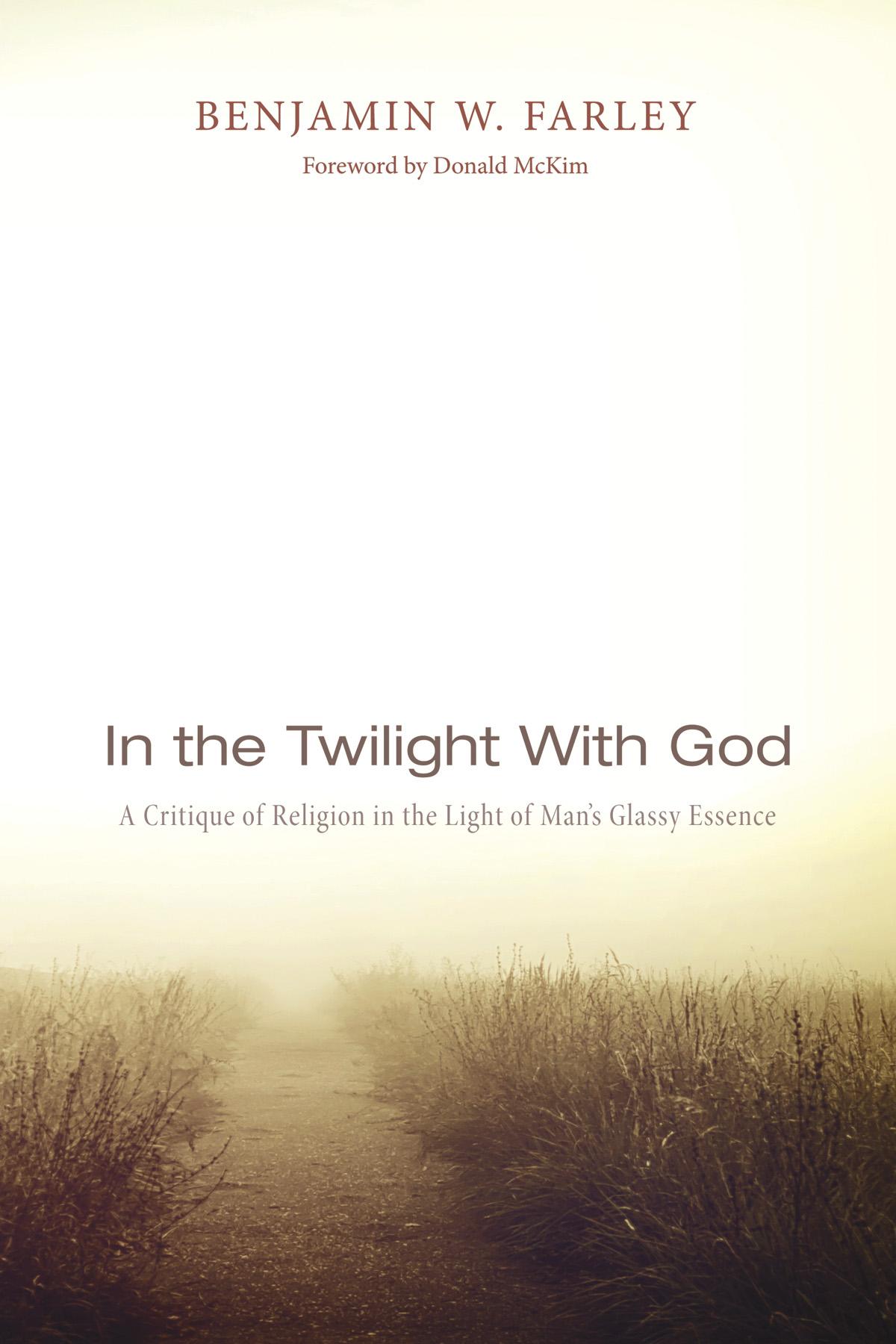
Granted that God may exist, how may God be defined in our time? Addressing this issue Benjamin Farley explores a variety of belief systems, Western and Eastern, religious and skeptical.
Taking an approach that is both critical of religion as well as sympathetic, Farley refuses to shy away from hard questions or to dismiss constructive answers that speak to the human condition. He distinguishes human "intellectual ascent" towards God from humankind's "innate and inner sense" to know and relate to the living God, demonstrating the efforts and rewards of both approaches in Christianity, as well as in Hinduism, Buddhism, Taoism, and Zen.
Alongside these more obviously "religious" approaches, Farley reviews the methodologies and findings of today's greatest scientific minds, including skeptics such as Hawking, Dawkins, and Wilson, as well as their skeptical forerunners of the past. He argues that belief in God can no more ignore the scientific truth about the universe than science can dismiss the spiritual yearnings and hunger of humanity for purpose, meaning, and its inescapable sense of the presence of God.
Pay easily by card, Klarna, Apple Pay or Google Pay. Not happy? You always have a 14-day money-back guarantee. Read more in our terms. If you have any questions, email us at hello@memmo.org.
Memmo makes studying easier – wherever you are in the world. We bring your course books and smart study tools together in one place: summaries, quizzes, podcasts and flashcards. Plus Ted, your study buddy who answers anything you wonder. Over 50,000 students already study here – built to help you learn faster and stress less.
You might also like
Buy the book0