
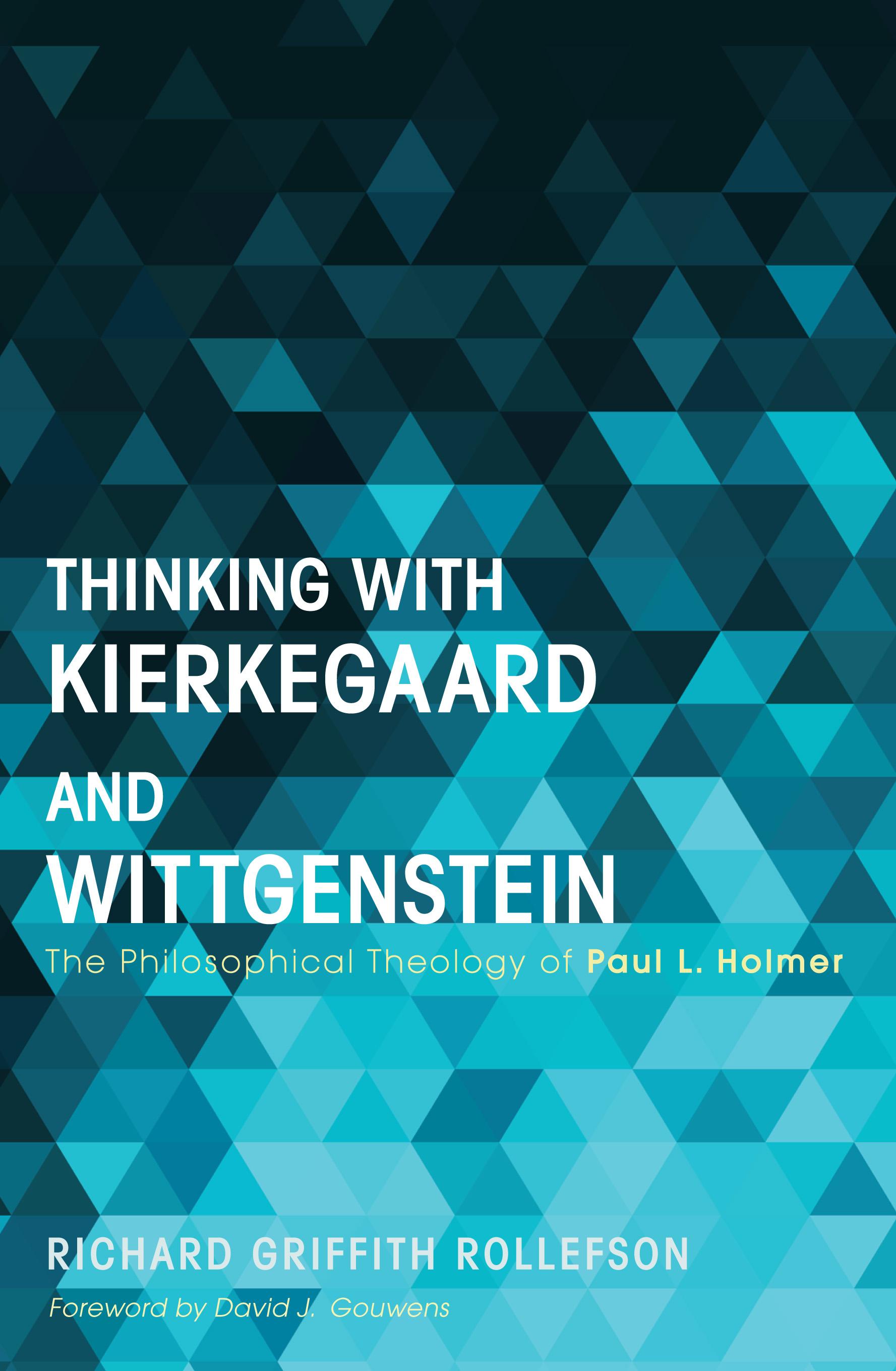
Paul L. Holmer influenced the development of the so-called Yale School and several generations of students by seeing common logical and ethico-religious themes in the works of Soren Kierkegaard and Ludwig Wittgenstein. Holmer is perhaps the preeminent interpreter of Kierkegaard with his analysis of the logic of Kierkegaard's "truth as subjectivity" and "the morphology of the life of Christian belief." In his polemical and constructive work The Grammar of Faith, Holmer explored the significance of the later philosophy of Ludwig Wittgenstein for theology and proposed a critical alternative to contemporary academic theology. In his C. S. Lewis: The Shape of His Life and Thought, Making Christian Sense, and various essays now compiled in The Paul L. Holmer papers, Holmer's reassessment of the traditional concepts of virtues and vices, his recognition of the importance of Christian praxis in providing the context for theological and ethical reflection, together with his emphasis on the role of emotions and passions in the life of faith, portray how the Christian faith forms character and helps one "make sense" with one's life.
Pay easily by card, Klarna, Apple Pay or Google Pay. Not happy? You always have a 14-day money-back guarantee. Read more in our terms. If you have any questions, email us at hello@memmo.org.
Memmo makes studying easier – wherever you are in the world. We bring your course books and smart study tools together in one place: summaries, quizzes, podcasts and flashcards. Plus Ted, your study buddy who answers anything you wonder. Over 50,000 students already study here – built to help you learn faster and stress less.
You might also like
Buy the book0