
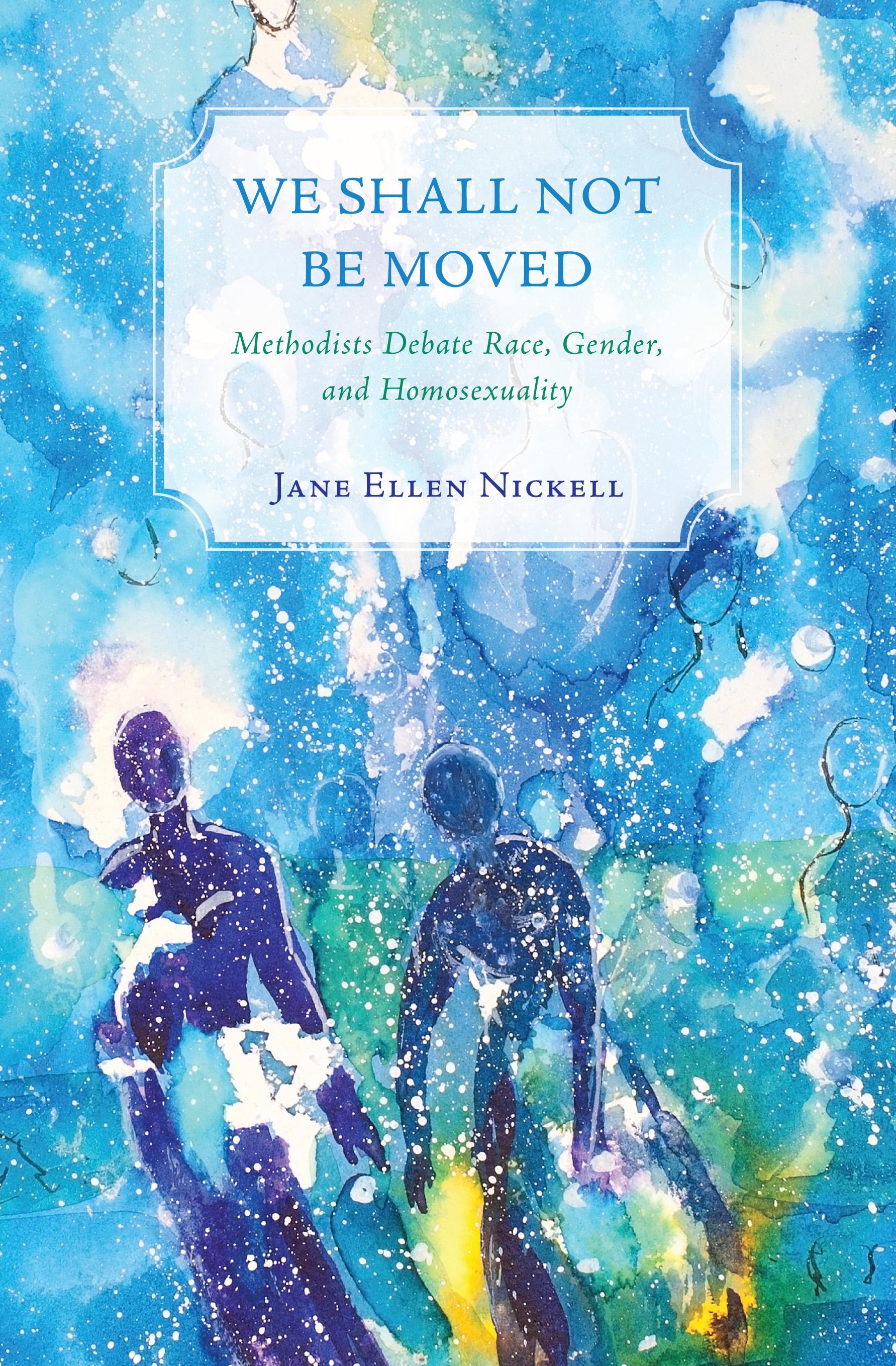
As Protestant denominations are fracturing over whether to ordain gays and lesbians, this work looks at The United Methodist Church's conversations about the issue, in light of Methodism's historic contests over the leadership of African Americans and women, to see what can be learned from these earlier periods of change. Using the uniform context of the Methodist General Conference, where denominational policy is set, the book analyzes transcripts of floor debates in key years of these struggles, letting those who argued for and against the changes speak for themselves.
Those arguments are read through the lens of French sociologist Pierre Bourdieu, whose theory offers a sophisticated model that goes deeper than simple "resistance to change" in articulating a dialectic between social structures and agents that predisposes both to reproduce existing power relationships. This interdisciplinary, historical study seeks to move beyond conscious motivations for the exclusion of these three groups and uncover deeply embedded, misrecognized social dynamics. In exploring these groups' stories, this book examines who holds power in Methodist churches, how changes in authority structures occur, and why it is such a long and painful process.
Pay easily by card, Klarna, Apple Pay or Google Pay. Not happy? You always have a 14-day money-back guarantee. Read more in our terms. If you have any questions, email us at hello@memmo.org.
Memmo makes studying easier – wherever you are in the world. We bring your course books and smart study tools together in one place: summaries, quizzes, podcasts and flashcards. Plus Ted, your study buddy who answers anything you wonder. Over 50,000 students already study here – built to help you learn faster and stress less.
You might also like
Buy the book0