
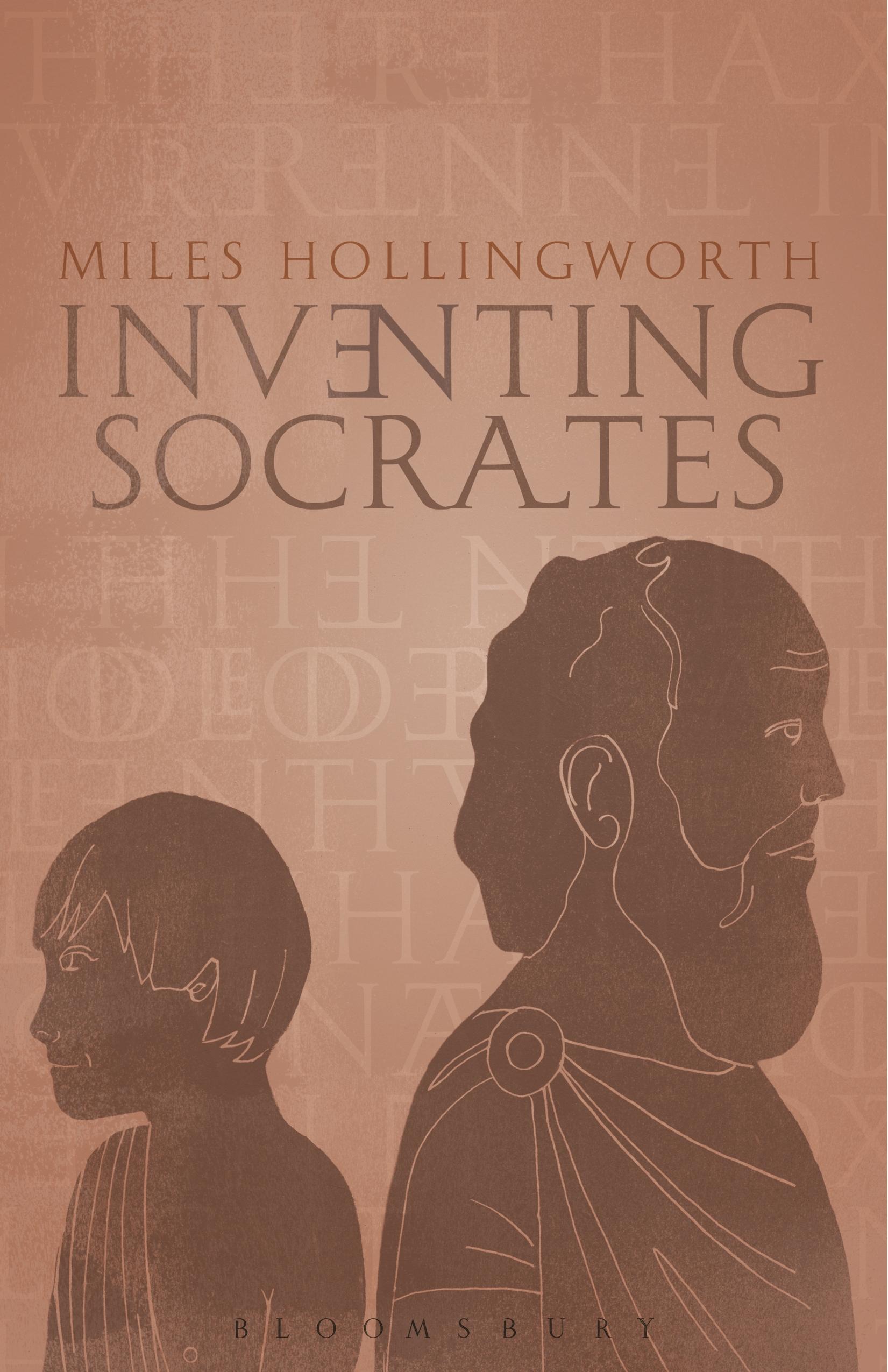
Inventing Socrates is a book about the consequences of knowledge and the coming of age. It is written in knowledge's Western setting, making allegorical as well as literal use of the event known as the 'birth of philosophy' – an event that began in ancient Greece in the 6th-century B.C., when a handful of thinkers first looked at the natural world through the critical eyes of fledgling science.
Very little of concrete fact is known about this first philosophy and its protagonists. Only scant fragments of their writings have survived; and these are nearly always poetical and esoteric, some no more than a single line. They are freighted with meanings that might take one in two different directions at once; and this ambidexterity between ancient and modern has always been their beguiling feature. Altogether these thinkers are known as the Presocratics, because they pioneered the rational methods that Socrates would take to the question of the good life. If Socrates stands today as an icon of Western self-esteem, these pioneers are said to show the emergence of that poise from the fug of myth and religion. Apparently they prove the evolution of Western intelligence and the value of living today – in the secular maturity of its latest, greatest hour. But what if their continuing readability and tactility were actually to become the demonstration against that?
This is not just, then, a book about the foundations of Western thought. It is a book about all that we invest in the ideas of ancient and modern. Left to right is the Western way of learning and growing, but, as Miles Hollingworth shows, the truths of the human condition are subterranean corridors running psychologically and eternally.
Very little of concrete fact is known about this first philosophy and its protagonists. Only scant fragments of their writings have survived; and these are nearly always poetical and esoteric, some no more than a single line. They are freighted with meanings that might take one in two different directions at once; and this ambidexterity between ancient and modern has always been their beguiling feature. Altogether these thinkers are known as the Presocratics, because they pioneered the rational methods that Socrates would take to the question of the good life. If Socrates stands today as an icon of Western self-esteem, these pioneers are said to show the emergence of that poise from the fug of myth and religion. Apparently they prove the evolution of Western intelligence and the value of living today – in the secular maturity of its latest, greatest hour. But what if their continuing readability and tactility were actually to become the demonstration against that?
This is not just, then, a book about the foundations of Western thought. It is a book about all that we invest in the ideas of ancient and modern. Left to right is the Western way of learning and growing, but, as Miles Hollingworth shows, the truths of the human condition are subterranean corridors running psychologically and eternally.
Pay easily by card, Klarna, Apple Pay or Google Pay. Not happy? You always have a 14-day money-back guarantee. Read more in our terms. If you have any questions, email us at hello@memmo.org.
Memmo makes studying easier – wherever you are in the world. We bring your course books and smart study tools together in one place: summaries, quizzes, podcasts and flashcards. Plus Ted, your study buddy who answers anything you wonder. Over 50,000 students already study here – built to help you learn faster and stress less.