
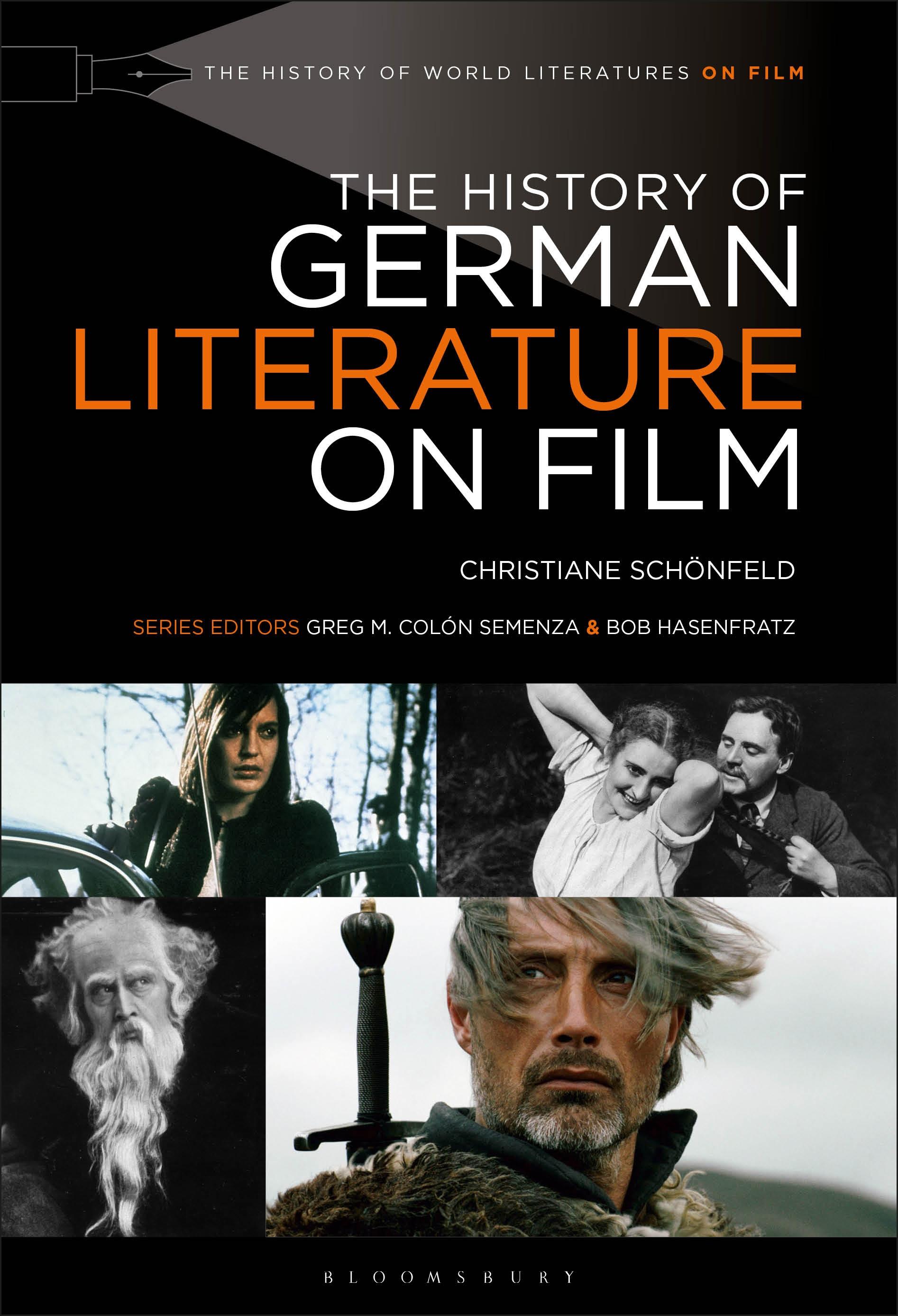
A 2024 CHOICE OUTSTANDING ACADEMIC TITLE
This book tells the story of German-language literature on film, beginning with pioneering motion picture adaptations of Faust in 1897 and early debates focused on high art as mass culture. It explores, analyzes and contextualizes the so-called 'golden age' of silent cinema in the 1920s, the impact of sound on adaptation practices, the abuse of literary heritage by Nazi filmmakers, and traces the role of German-language literature in exile and postwar films, across ideological boundaries in divided Germany, in New German Cinema, and in remakes and movies for cinema as well as television and streaming services in the 21st century. Having provided the narrative core to thousands of films since the late 19th century, many of German cinema's most influential masterpieces were inspired by canonical texts, popular plays, and even children's literature. Not being restricted to German adaptations, however, this book also traces the role of literature originally written in German in international film productions, which sheds light on the interrelation between cinema and key historical events. It outlines how processes of adaptation are shaped by global catastrophes and the emergence of nations, by materialist conditions, liberal economies and capitalist imperatives, political agendas, the mobility of individuals, and sometimes by the desire to create reflective surfaces and, perhaps, even art. Commercial cinema's adaptation practices have foregrounded economic interest, but numerous filmmakers throughout cinema history have turned to German-language literature not simply to entertain, but as a creative contribution to the public sphere, marking adaptation practice, at least potentially, as a form of active citizenship.
This book tells the story of German-language literature on film, beginning with pioneering motion picture adaptations of Faust in 1897 and early debates focused on high art as mass culture. It explores, analyzes and contextualizes the so-called 'golden age' of silent cinema in the 1920s, the impact of sound on adaptation practices, the abuse of literary heritage by Nazi filmmakers, and traces the role of German-language literature in exile and postwar films, across ideological boundaries in divided Germany, in New German Cinema, and in remakes and movies for cinema as well as television and streaming services in the 21st century. Having provided the narrative core to thousands of films since the late 19th century, many of German cinema's most influential masterpieces were inspired by canonical texts, popular plays, and even children's literature. Not being restricted to German adaptations, however, this book also traces the role of literature originally written in German in international film productions, which sheds light on the interrelation between cinema and key historical events. It outlines how processes of adaptation are shaped by global catastrophes and the emergence of nations, by materialist conditions, liberal economies and capitalist imperatives, political agendas, the mobility of individuals, and sometimes by the desire to create reflective surfaces and, perhaps, even art. Commercial cinema's adaptation practices have foregrounded economic interest, but numerous filmmakers throughout cinema history have turned to German-language literature not simply to entertain, but as a creative contribution to the public sphere, marking adaptation practice, at least potentially, as a form of active citizenship.
Pages: 720
Category: Film- & Medievetenskap
e-ISBN: 9781628923759
Shipping weight: 1.2 kg
Ships in: 1-2 days
Pay easily by card, Klarna, Apple Pay or Google Pay. Not happy? You always have a 14-day money-back guarantee. Read more in our terms. If you have any questions, email us at hello@memmo.org.
Memmo makes studying easier – wherever you are in the world. We bring your course books and smart study tools together in one place: summaries, quizzes, podcasts and flashcards. Plus Ted, your study buddy who answers anything you wonder. Over 50,000 students already study here – built to help you learn faster and stress less.