
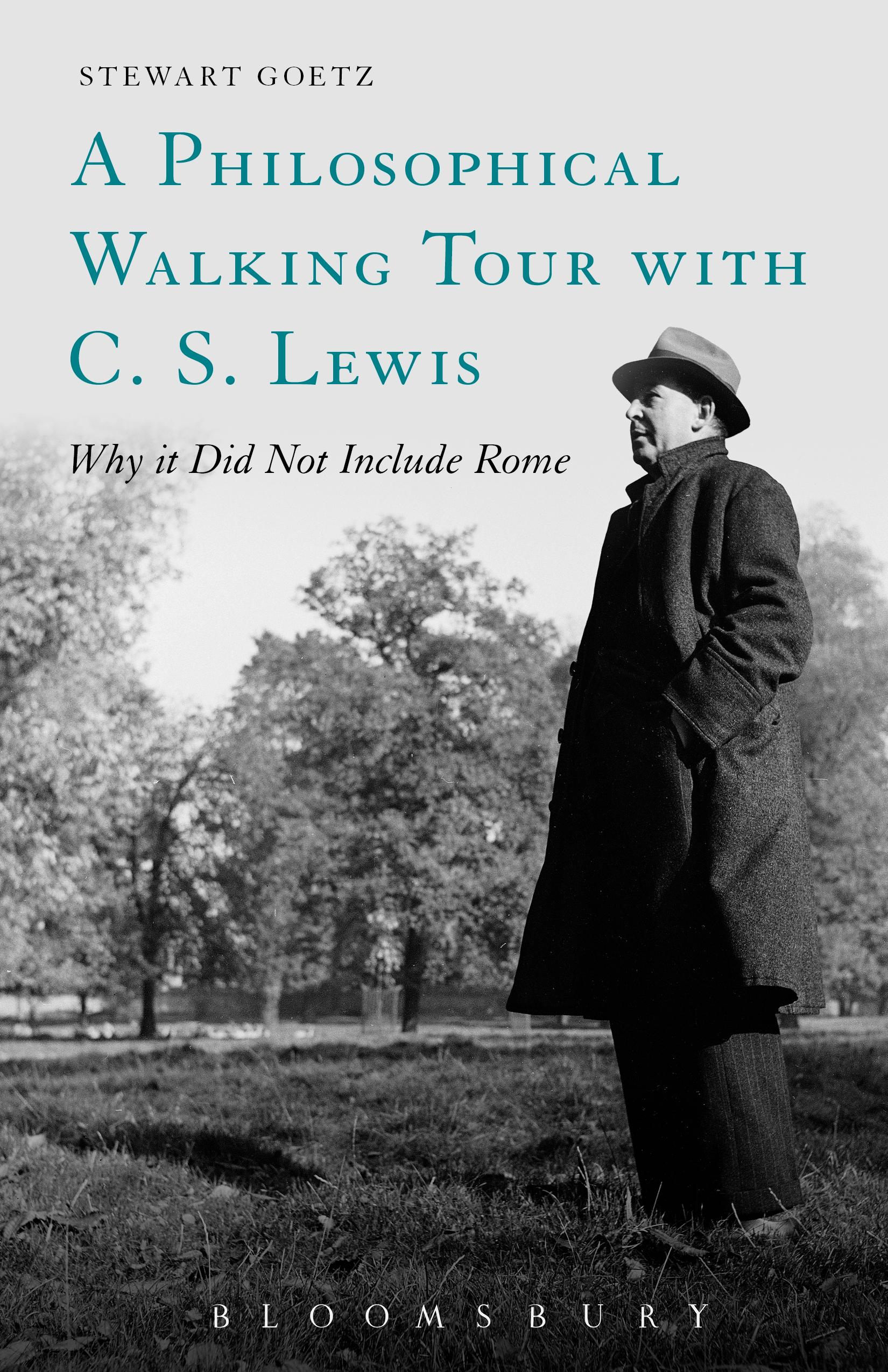
Although it has been almost seventy years since Time declared C.S. Lewis one of the world's most influential spokespersons for Christianity and fifty years since Lewis's death, his influence remains just as great if not greater today.
While much has been written on Lewis and his work, virtually nothing has been written from a philosophical perspective on his views of happiness, pleasure, pain, and the soul and body. As a result, no one so far has recognized that his views on these matters are deeply interesting and controversial, and-perhaps more jarring-no one has yet adequately explained why Lewis never became a Roman Catholic. Stewart Goetz's careful investigation of Lewis's philosophical thought reveals oft-overlooked implications and demonstrates that it was, at its root, at odds with that of Thomas Aquinas and, thereby, the Roman Catholic Church.
While much has been written on Lewis and his work, virtually nothing has been written from a philosophical perspective on his views of happiness, pleasure, pain, and the soul and body. As a result, no one so far has recognized that his views on these matters are deeply interesting and controversial, and-perhaps more jarring-no one has yet adequately explained why Lewis never became a Roman Catholic. Stewart Goetz's careful investigation of Lewis's philosophical thought reveals oft-overlooked implications and demonstrates that it was, at its root, at odds with that of Thomas Aquinas and, thereby, the Roman Catholic Church.
Pay easily by card, Klarna, Apple Pay or Google Pay. Not happy? You always have a 14-day money-back guarantee. Read more in our terms. If you have any questions, email us at hello@memmo.org.
Memmo makes studying easier – wherever you are in the world. We bring your course books and smart study tools together in one place: summaries, quizzes, podcasts and flashcards. Plus Ted, your study buddy who answers anything you wonder. Over 50,000 students already study here – built to help you learn faster and stress less.