
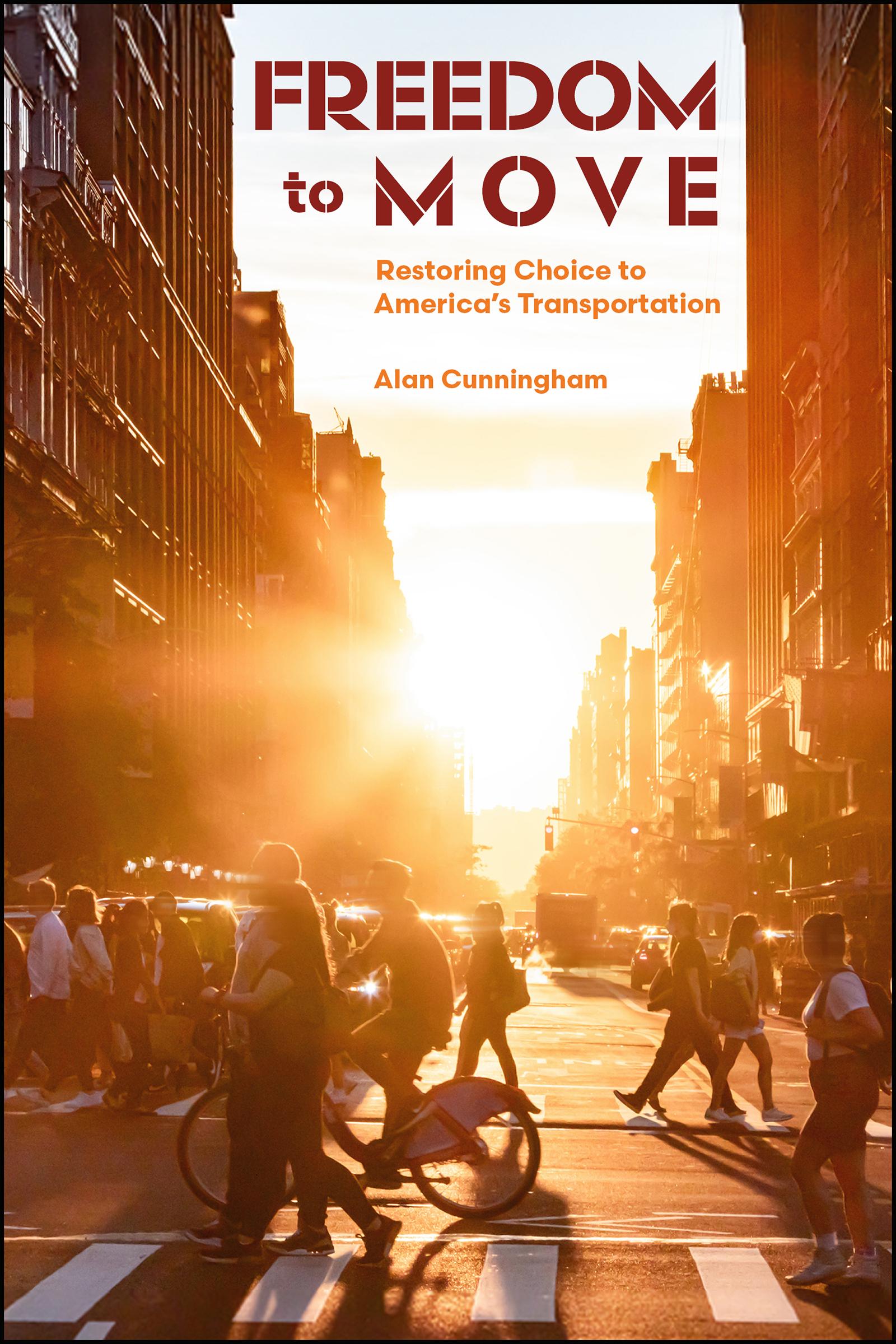
What if transit stations enabled land use for the sake of walkability and bikeability as much as parking lots dictate land use for the sake of traffic? For over a century, the United States has been devoted to traffic as the predominant mode of transportation. We live further apart, personal vehicles have become expensive obligations, and the availability of parking and traffic flow is an essential concern in urban development.
Freedom to Move tells the engaging history of how we got here. While acknowledging our current reality, this book asks how we can improve it. By redeveloping land use within a three-mile bikeable radius of existing rail transit stations, we could realize immense improvements to safety, fitness, affordability, water and air quality, public health, and real estate markets. The author uses data to argue for freedom of choice—how we can move beyond the inevitability of car dependence, and how that benefits all of us.
Pay easily by card, Klarna, Apple Pay or Google Pay. Not happy? You always have a 14-day money-back guarantee. Read more in our terms. If you have any questions, email us at hello@memmo.org.
Memmo makes studying easier – wherever you are in the world. We bring your course books and smart study tools together in one place: summaries, quizzes, podcasts and flashcards. Plus Ted, your study buddy who answers anything you wonder. Over 75,000 students already study here – built to help you learn faster and stress less.