
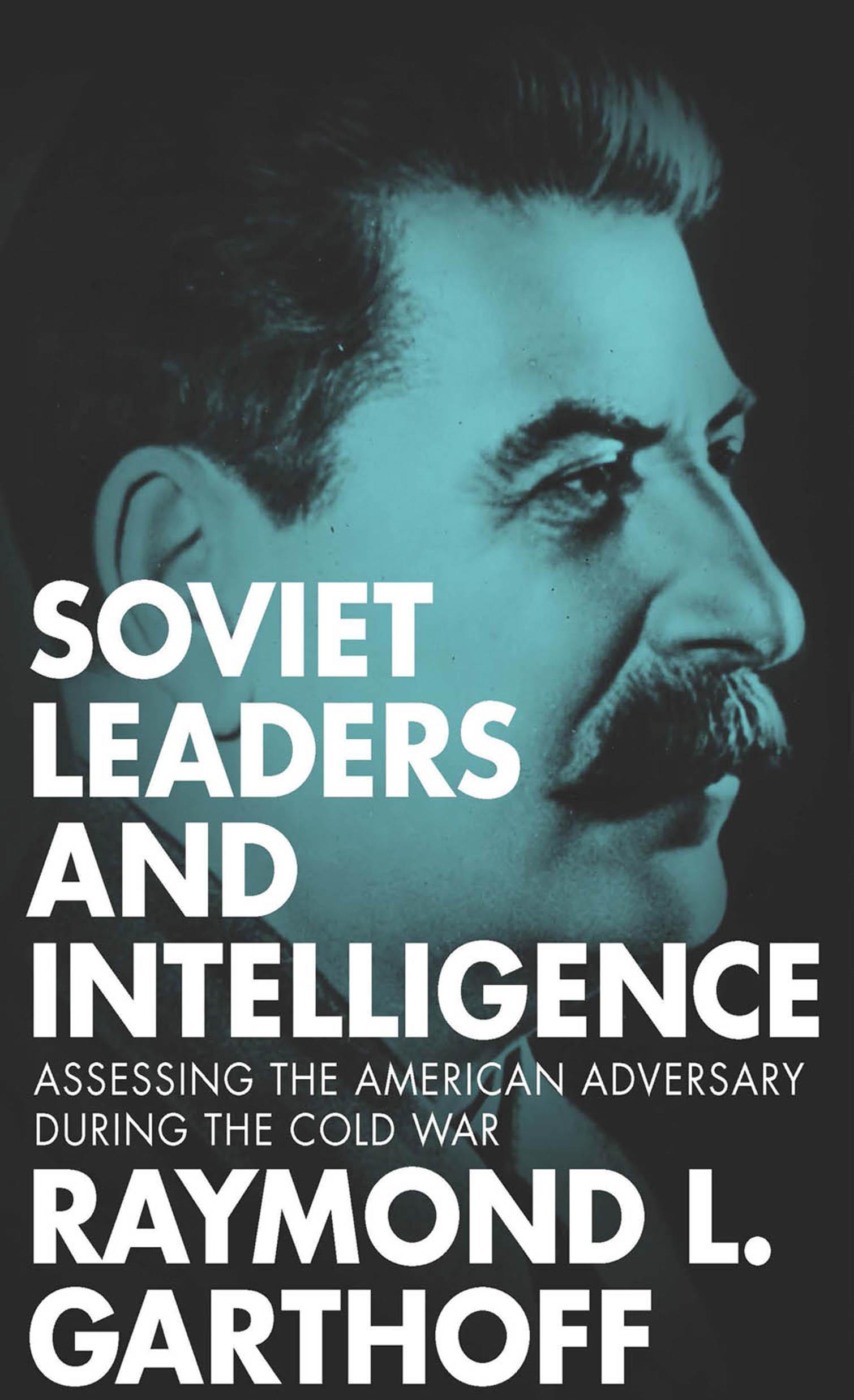
During the Cold War, the political leadership of the Soviet Union avidly sought intelligence about its main adversary, the United States. Although effective on an operational level, Soviet leaders and their intelligence chiefs fell short when it came to analyzing intelligence. Soviet leaders were often not receptive to intelligence that conflicted with their existing beliefs, and analysts were reluctant to put forward assessments that challenged ideological orthodoxy.
There were, however, important changes over time. Ultimately the views of an enlightened Soviet leader, Gorbachev, trumped the ideological blinders of his predecessors and the intelligence service’s dedication to an endless duel with their ideologically spawned “main adversary," making it possible to end the Cold War.
Raymond Garthoff draws on over five decades of personal contact with Soviet diplomats, intelligence officers, military leaders, and scholars during his remarkable career as an analyst, senior diplomat, and historian. He also builds on previous scholarship and examines documents from Soviet and Western archives. Soviet Leaders and Intelligence offers an informed and highly readable assessment of how the Soviets understood—and misunderstood—the intentions and objectives of their Cold War adversary.
Pay easily by card, Klarna, Apple Pay or Google Pay. Not happy? You always have a 14-day money-back guarantee. Read more in our terms. If you have any questions, email us at hello@memmo.org.
Memmo makes studying easier – wherever you are in the world. We bring your course books and smart study tools together in one place: summaries, quizzes, podcasts and flashcards. Plus Ted, your study buddy who answers anything you wonder. Over 50,000 students already study here – built to help you learn faster and stress less.