
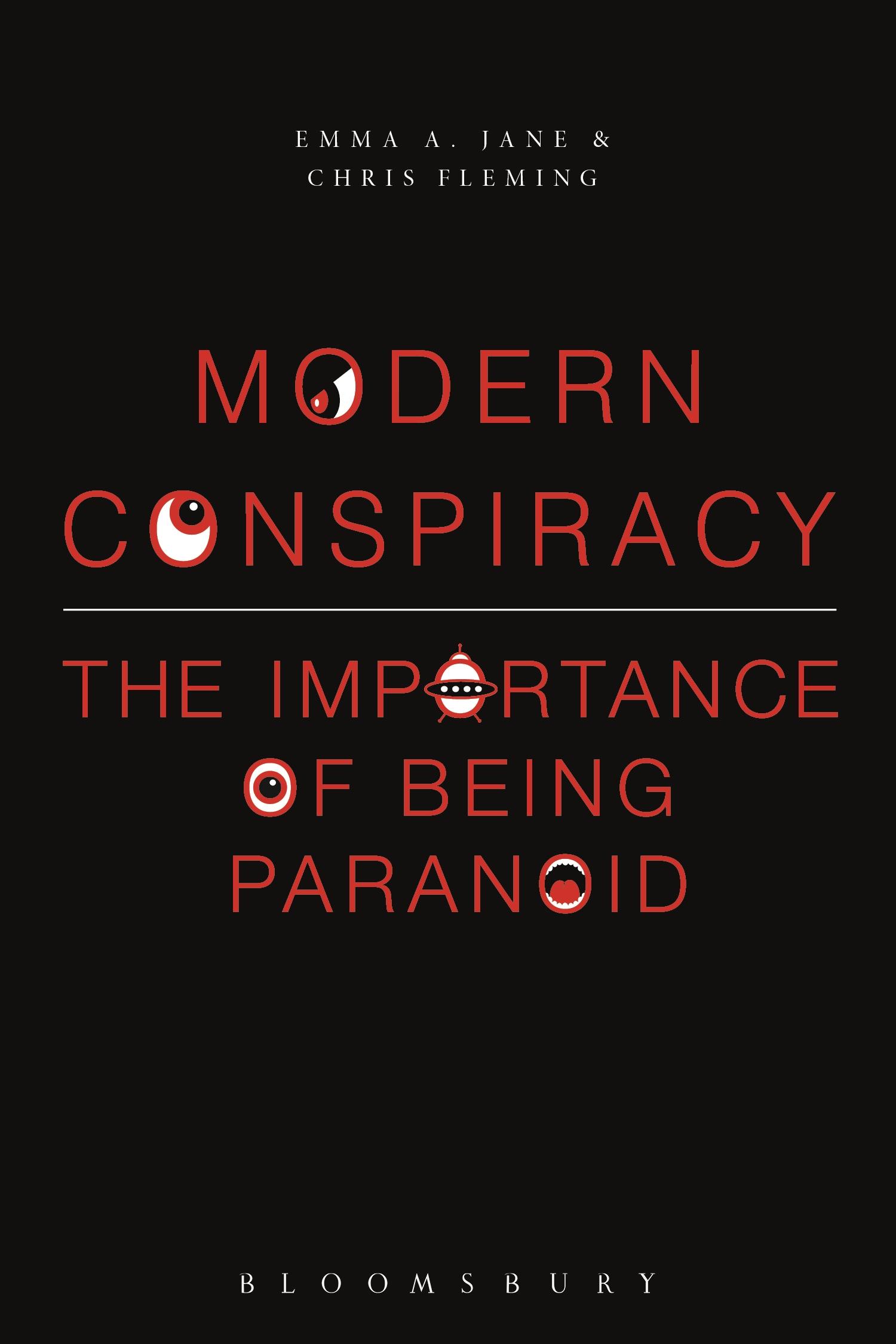
While conspiracy theory is often characterized in terms of the collapse of objectivity and Enlightenment reason, Modern Conspiracy traces the important role of conspiracy in the formation of the modern world: the scientific revolution, social contract theory, political sovereignty, religious paranoia and mass communication media.
Rather than seeing the imminent death of Enlightenment reason and a regression to a new Dark Age in conspiratorial thinking, Modern Conspiracy suggests that many characteristic features of conspiracies tap very deeply into the history of the Enlightenment: its vociferous critique of established authorities and a conception of political sovereignty fuelled by fear of counter-plots, for example. Perhaps, ultimately, conspiracy theory affords us a renewed opportunity to reflect on our very relationship to the truth itself.
Rather than seeing the imminent death of Enlightenment reason and a regression to a new Dark Age in conspiratorial thinking, Modern Conspiracy suggests that many characteristic features of conspiracies tap very deeply into the history of the Enlightenment: its vociferous critique of established authorities and a conception of political sovereignty fuelled by fear of counter-plots, for example. Perhaps, ultimately, conspiracy theory affords us a renewed opportunity to reflect on our very relationship to the truth itself.
Pay easily by card, Klarna, Apple Pay or Google Pay. Not happy? You always have a 14-day money-back guarantee. Read more in our terms. If you have any questions, email us at hello@memmo.org.
Memmo makes studying easier – wherever you are in the world. We bring your course books and smart study tools together in one place: summaries, quizzes, podcasts and flashcards. Plus Ted, your study buddy who answers anything you wonder. Over 50,000 students already study here – built to help you learn faster and stress less.