
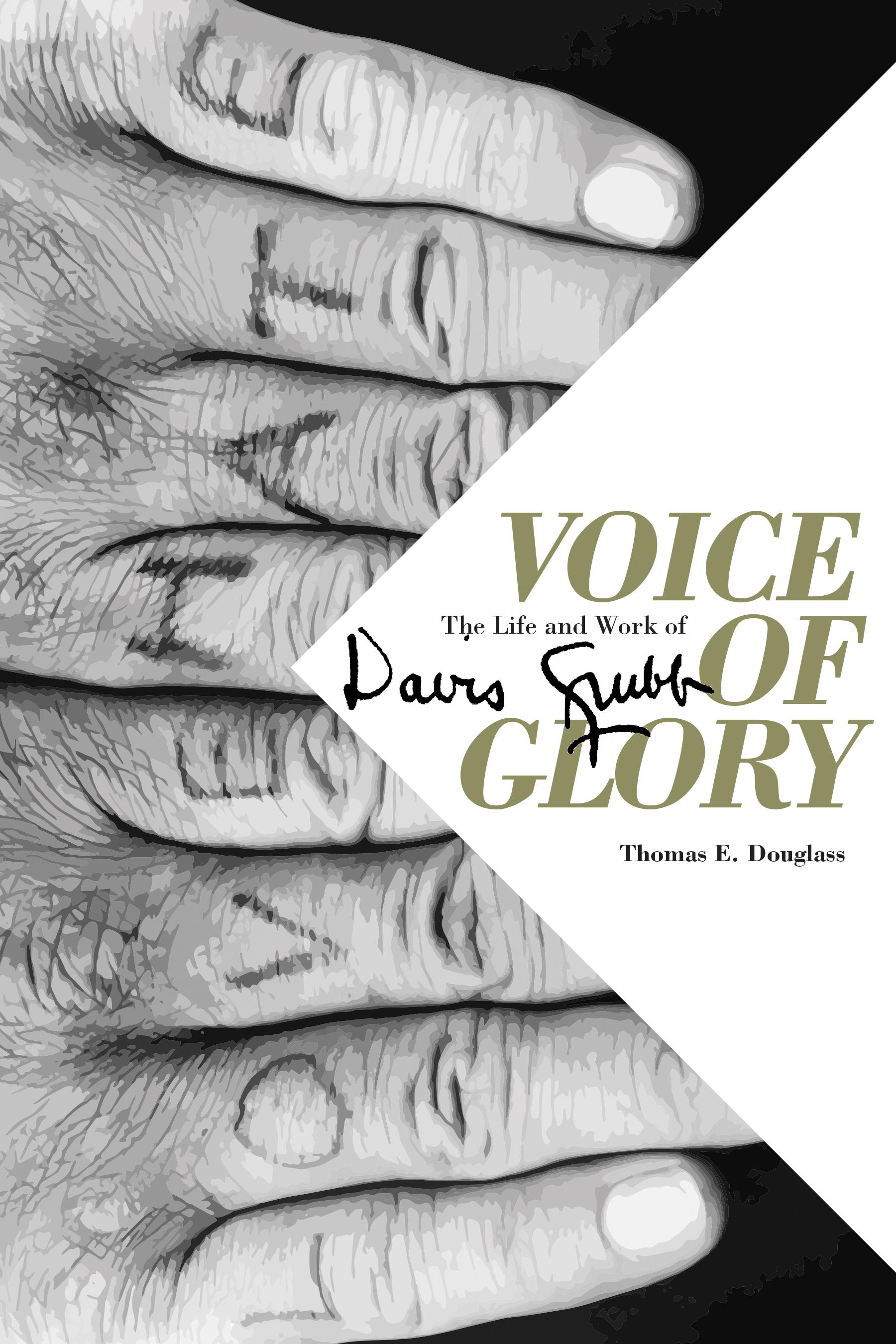
Hailing from the small river town of Moundsville, West Virginia, Davis Grubb (1919–1980) became a key figure in the canon of Appalachian literature. The author of ten novels and dozens of short stories and radio plays, Grubb’s writings, as Tom Douglass observes, “catalogued his life”—and a turbulent life it was, marked by the traumatic loss of both the family home and his father during the Great Depression, the overbearing affections of his mother, the fear of failure, painful struggles with alcohol and drug abuse, profligate spending, and a conflicted sexuality.
Grubb originally aspired to be a visual artist but, thwarted by color blindness, turned to writing instead, honing his skills in the advertising industry. Today he is best remembered for his first novel, The Night of the Hunter (1953), a gripping story of a Depression-era serial killer and his pursuit of two young children along the Ohio River. This book spent twenty-eight weeks on The New York Times best-seller list and became the basis for a classic film directed by Charles Laughton, starring Robert Mitchum, Shelley Winters, and Lillian Gish. While his subsequent work never achieved that same level of popularity, the fierce thematic oppositions he set forth in his debut novel—between love and hate, good and evil, the corrupt and the pure, the rich and the poor—would inform his entire oeuvre. Although Grubb’s career took him to the great cities of New York, Philadelphia, and Los Angeles, his work was always rooted in key emblems of his Appalachian childhood—the river, the state penitentiary, and the largest Indian mound east of the Mississippi, all in his native Moundsville.
In his works, Douglass asserts, Grubb was “an avenging angel, righting the wrongs of the past in his own life, in his own country, and putting trust in his own vision of divine love.” Off the page, he was riven by personal demons, “more than once in danger of losing his life to self-annihilation and to the self-accusation that he was a fallen angel.” This biography, the first ever written of Grubb, captures his life and work in all their intriguing complexity.
Pay easily by card, Klarna, Apple Pay or Google Pay. Not happy? You always have a 14-day money-back guarantee. Read more in our terms. If you have any questions, email us at hello@memmo.org.
Memmo makes studying easier – wherever you are in the world. We bring your course books and smart study tools together in one place: summaries, quizzes, podcasts and flashcards. Plus Ted, your study buddy who answers anything you wonder. Over 50,000 students already study here – built to help you learn faster and stress less.