
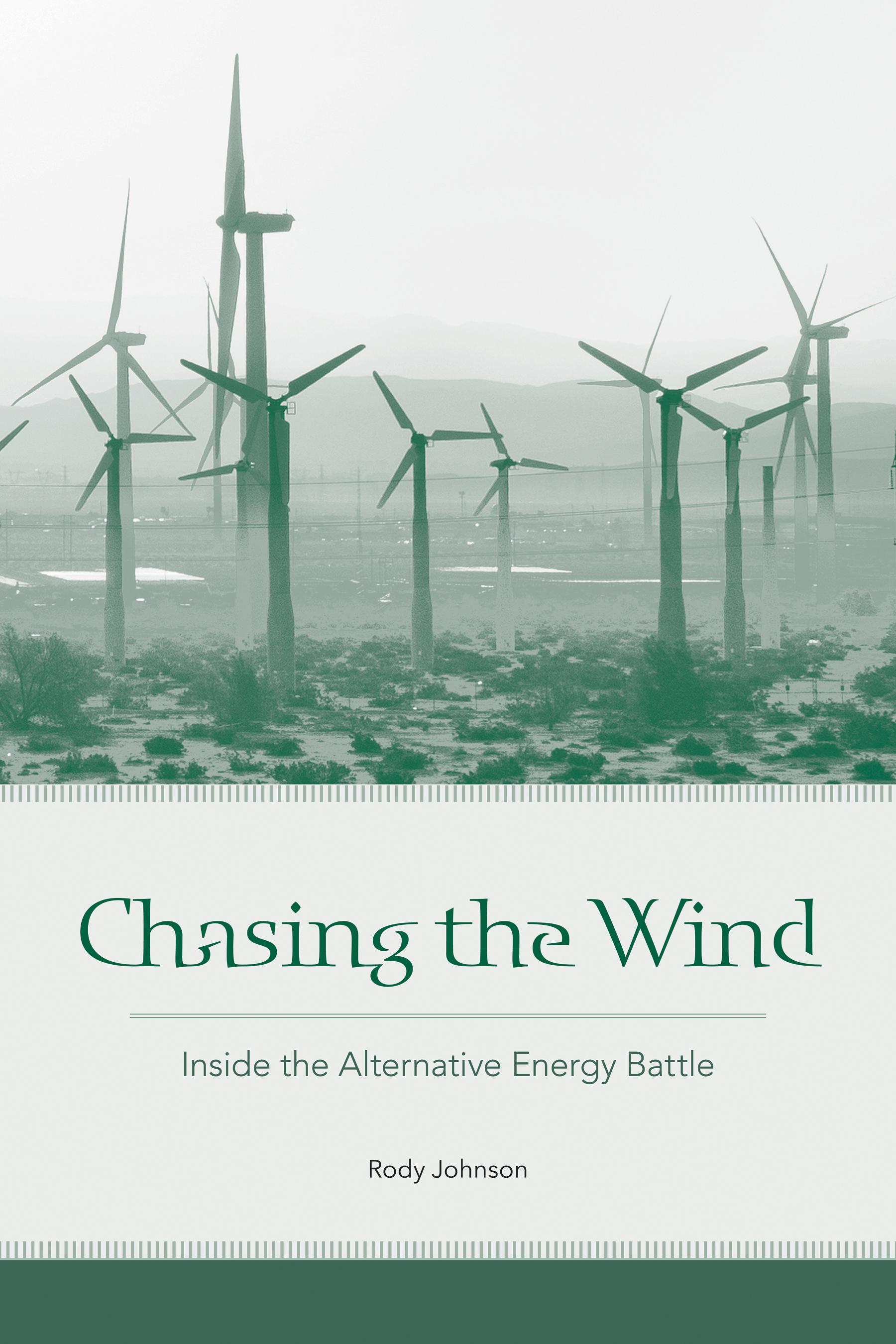
Over the past few decades, the vexing problems of climate change and finite resources have ignited contentious global debates about alternative energy technologies. In this lucid, balanced book, Rody Johnson investigates the development and deployment of one such technology—wind power—and, in particular, the ways in which a heated battle over that energy source played out in an Appalachian community.
Johnson’s wide-ranging account examines the history of wind power; its capacity and output in comparison to such sources as fossil fuels, other renewables, and nuclear energy; the infrastructural challenges of transmitting electricity from wind farms to end users; global efforts to curb carbon emissions, including the Kyoto treaty; the role of public policy, government subsidies, and tax breaks; and the differences and similarities between wind power regimes in the United States and Europe.
Interwoven throughout this discussion is the compelling narrative of how, beginning in 2005, the proposed construction of a wind farm along mountain ridges in Greenbrier County, West Virginia, pitted locals against each other—a story that puts a human face on the arguments about wind power’s promise of clean, renewable energy and its potentially negative effects, including bird and bat kills, a disfigured natural landscape, and noise pollution. Drawing on countless hours he spent attending public meetings and interviewing those on both sides of the issue, Johnson not only pictures the Greenbrier County struggle in illuminating detail but also makes valuable comparisons between it and similarly pitched battles in another West Virginia county, where a wind farm had already been built, and in Florida, where plans to erect beachside wind turbines next to a nuclear plant faltered.
Concluding with a thoughtful, realistic assessment of a 2012 study suggesting that the country has the capability of receiving 80 percent of its electrical generation from renewables by 2050, Chasing the Wind makes a vital contribution to the ongoing dialogue regarding America’s energy challenges and what is likely required to meet them.
Pay easily by card, Klarna, Apple Pay or Google Pay. Not happy? You always have a 14-day money-back guarantee. Read more in our terms. If you have any questions, email us at hello@memmo.org.
Memmo makes studying easier – wherever you are in the world. We bring your course books and smart study tools together in one place: summaries, quizzes, podcasts and flashcards. Plus Ted, your study buddy who answers anything you wonder. Over 50,000 students already study here – built to help you learn faster and stress less.