
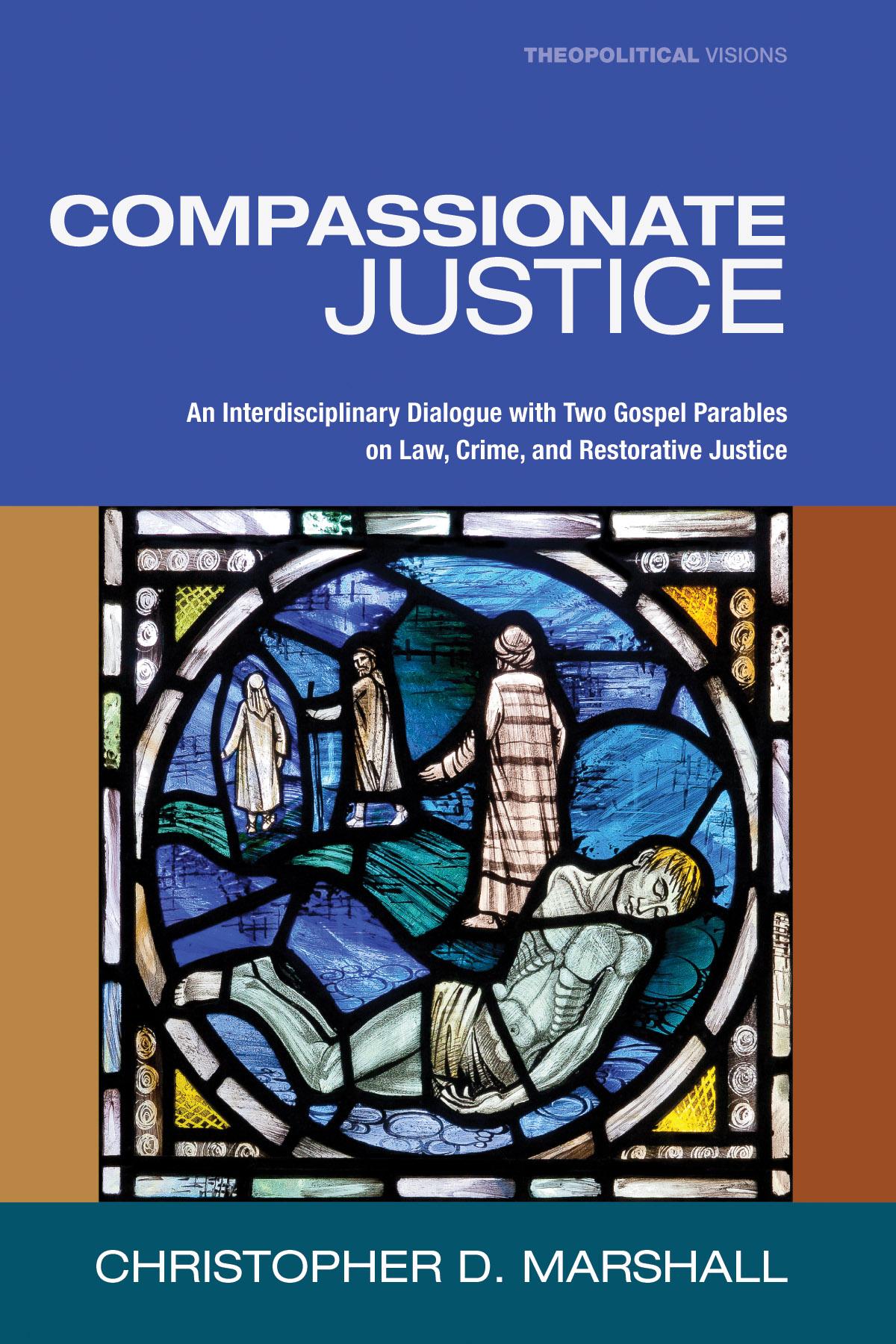
Two parables that have become firmly lodged in popular consciousness and affection are the parable of the Good Samaritan and the parable of the Prodigal Son. These simple but subversive tales have had a significant impact historically on shaping the spiritual, aesthetic, moral, and legal traditions of Western civilization, and their capacity to inform debate on a wide range of moral and social issues remains as potent today as ever. Noting that both stories deal with episodes of serious interpersonal offending, and both recount restorative responses on the part of the leading characters, Compassionate Justice draws on the insights of restorative justice theory, legal philosophy, and social psychology to offer a fresh reading of these two great parables. It also provides a compelling analysis of how the priorities commended by the parables are pertinent to the criminal justice system today. The parables teach that the conscientious cultivation of compassion is essential to achieving true justice. Restorative justice strategies, this book argues, provide a promising and practical means of attaining to this goal of reconciling justice with compassion.
Pay easily by card, Klarna, Apple Pay or Google Pay. Not happy? You always have a 14-day money-back guarantee. Read more in our terms. If you have any questions, email us at hello@memmo.org.
Memmo makes studying easier – wherever you are in the world. We bring your course books and smart study tools together in one place: summaries, quizzes, podcasts and flashcards. Plus Ted, your study buddy who answers anything you wonder. Over 50,000 students already study here – built to help you learn faster and stress less.
You might also like
Buy the book0