
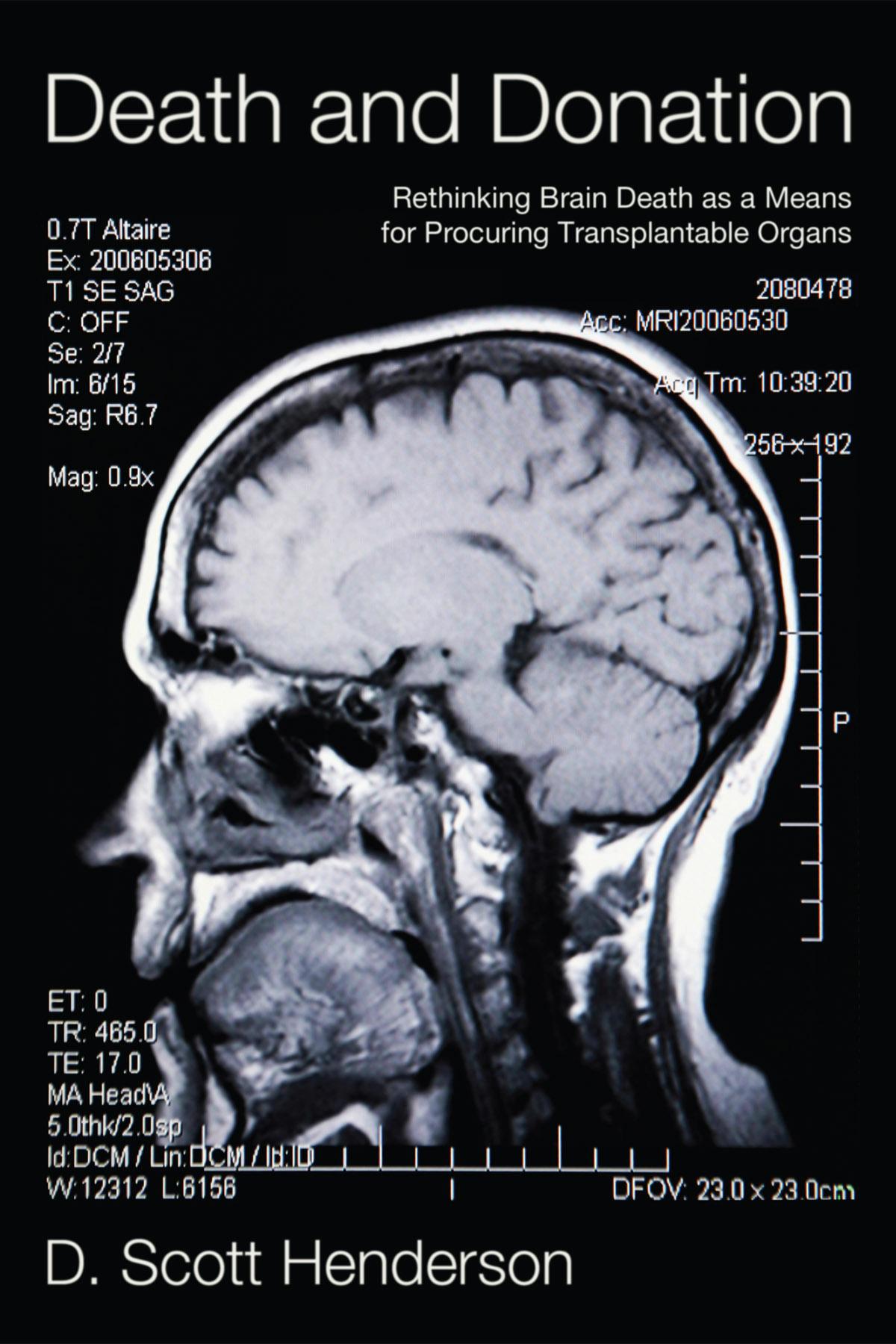
Since its inception in 1968, the brain-death criterion for human death has enjoyed the status of one of the few relatively well-settled issues in bioethics. However, over the last fifteen years or so, a growing number of experts in medicine, philosophy, and religion have come to regard brain death as an untenable criterion for the determination of death. Given that the debate about brain death has occupied a relatively small group of professionals, few are aware that brain death fails to correspond to any coherent biological or philosophical conception of death. This is significant, for if the brain-dead are not dead, then the removal of their vital organs for transplantation is the direct cause of their deaths, and a violation of the Dead Donor Rule.
This unique monograph synthesizes the social, legal, medical, religious, and philosophical problems inherent in current social policy allowing for organ donation under the brain-death criterion. In so doing, this bioethical appraisal offers a provocative investigation of the ethical quandaries inherent in the way transplantable organs are currently procured. Drawing together these multidisciplinary threads, this book advocates the abandonment of the brain-death criterion in light of its adverse failures, and concludes by laying the groundwork for a new policy of death in an effort to further the good of organ donation and transplantation.
Pay easily by card, Klarna, Apple Pay or Google Pay. Not happy? You always have a 14-day money-back guarantee. Read more in our terms. If you have any questions, email us at hello@memmo.org.
Memmo makes studying easier – wherever you are in the world. We bring your course books and smart study tools together in one place: summaries, quizzes, podcasts and flashcards. Plus Ted, your study buddy who answers anything you wonder. Over 50,000 students already study here – built to help you learn faster and stress less.
You might also like
Buy the book0