
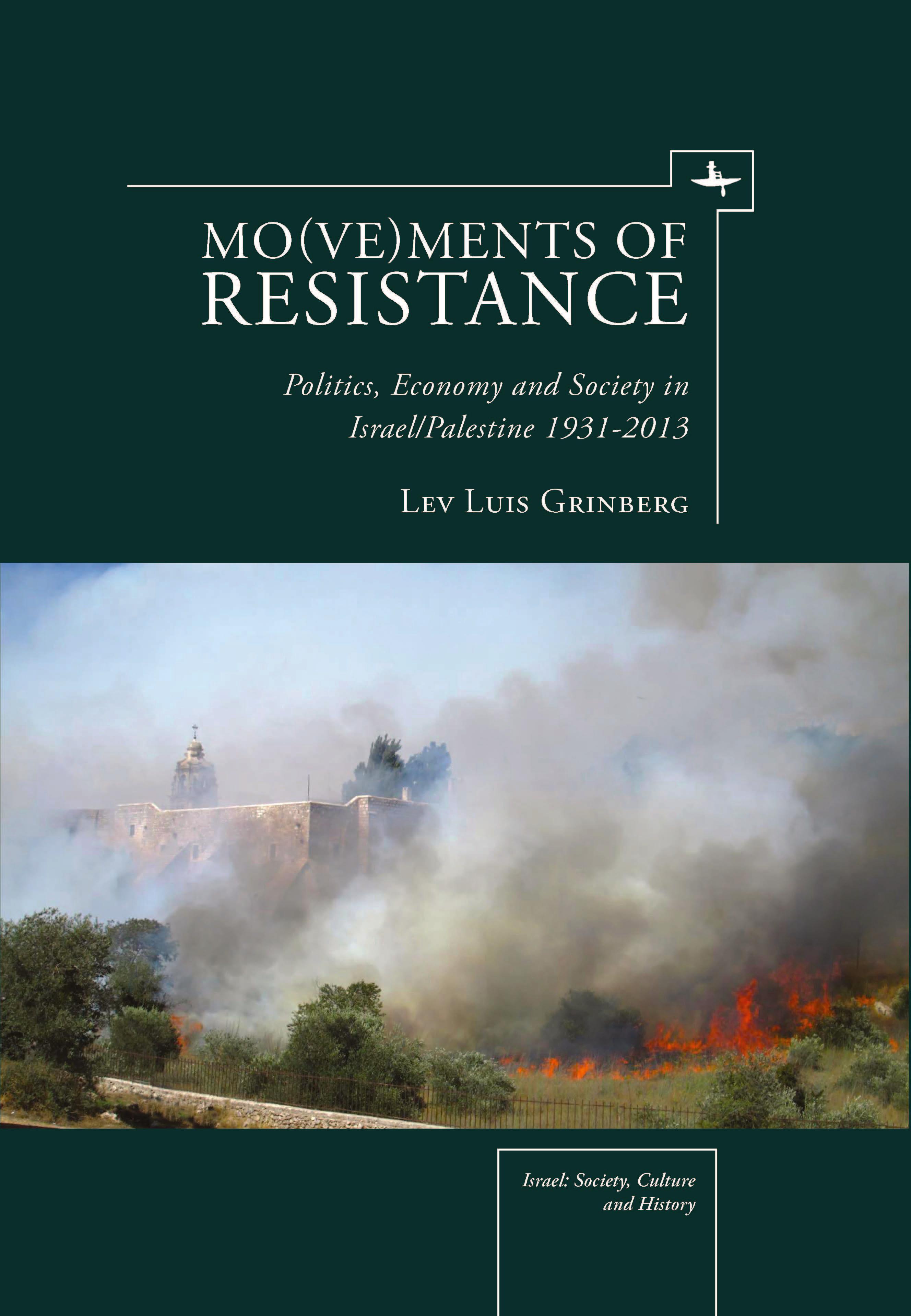
In Mo(ve)ments of Resistance, Grinberg summarizes both his own work and that of other political economists, providing a coherent historical narrative covering the time from the beginning of Socialist Zionism (1904) to the Oslo Accords and the neoliberalization of the economy (1994–1996). The theoretical approach of the book combines eventful sociology, path dependency, and institutional political economy. Grinberg argues that historical political events have been shaped not only by political and economic forces but also by resistance struggles of marginal and weaker social groups: organized workers, Palestinians, and Mizrachi Jews. Major turning points in history, like the Separation War in 1948, the military occupation in 1967, and the Oslo peace process in 1993, are explained in the context of previous social and economic resistance struggles that affected the political outcomes.
Pay easily by card, Klarna, Apple Pay or Google Pay. Not happy? You always have a 14-day money-back guarantee. Read more in our terms. If you have any questions, email us at hello@memmo.org.
Memmo makes studying easier – wherever you are in the world. We bring your course books and smart study tools together in one place: summaries, quizzes, podcasts and flashcards. Plus Ted, your study buddy who answers anything you wonder. Over 50,000 students already study here – built to help you learn faster and stress less.
You might also like
Buy the book0